Men’s course record
2:03:30
Geoffrey Toroitich Kipchumba · 2025
- Average pace
- 2:56 / km
- Terrain-adjusted
- +0.06 %
Europe15
Americas6
Amsterdam, Netherlands The third Sunday in October Founded 1975
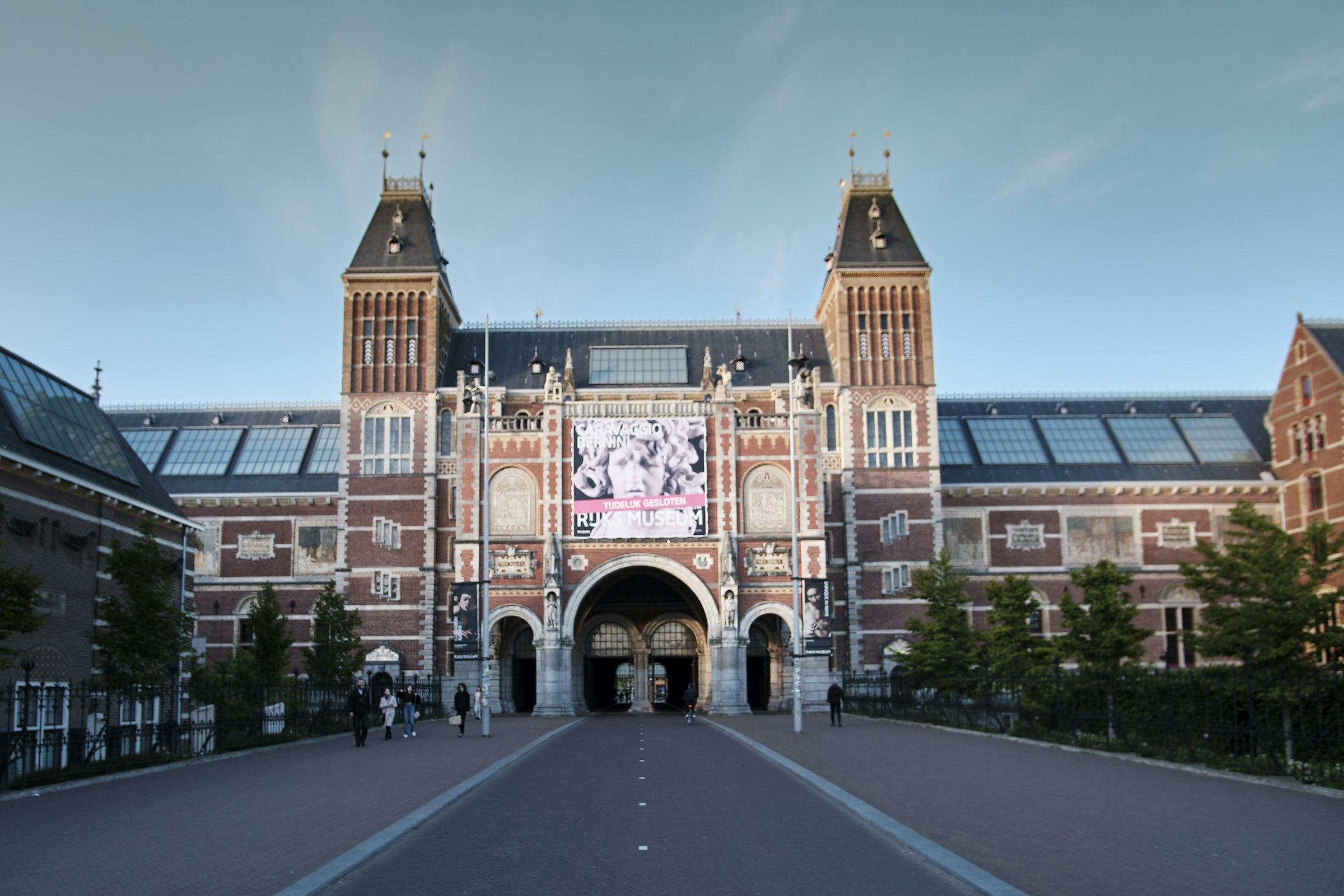
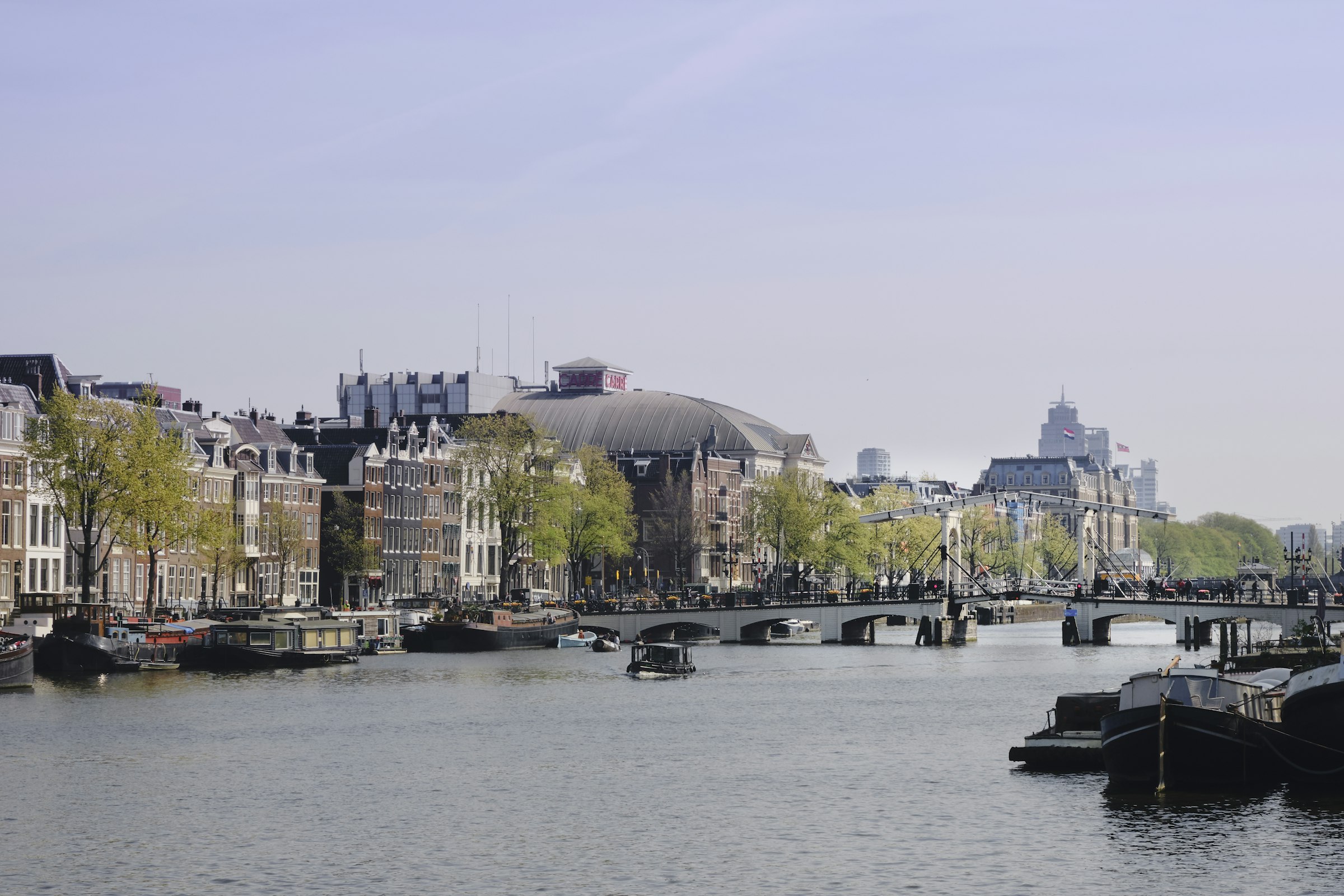
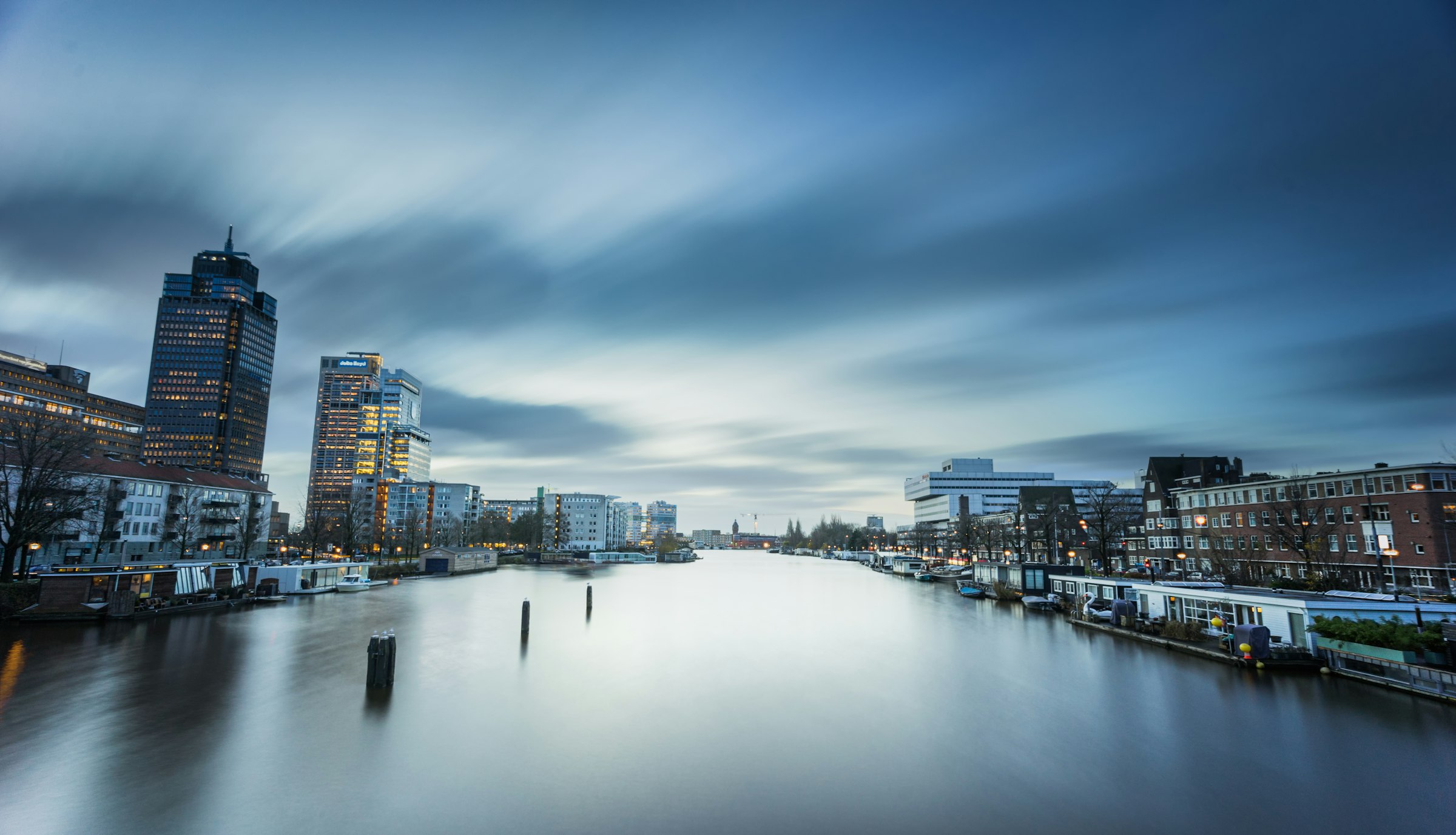
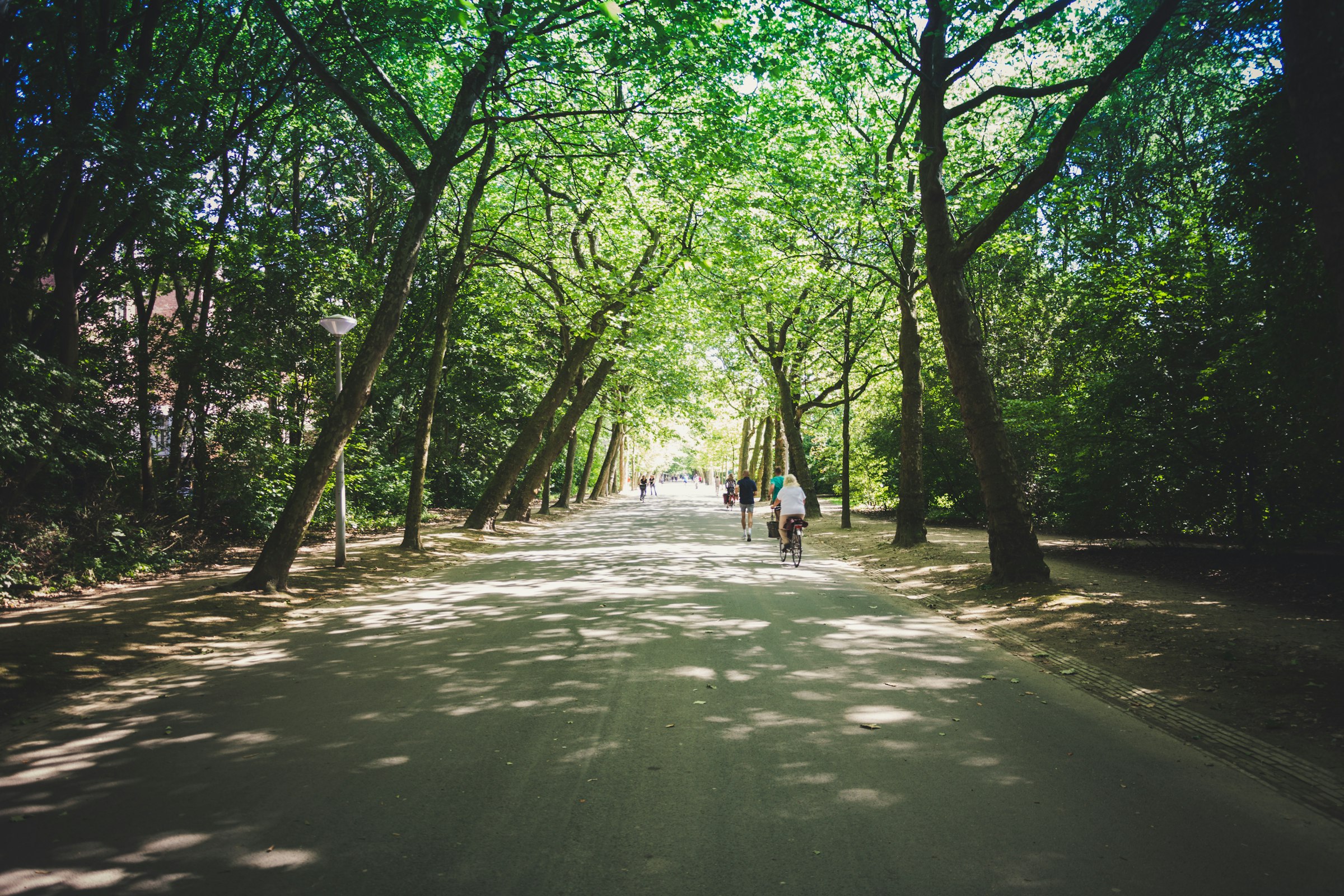
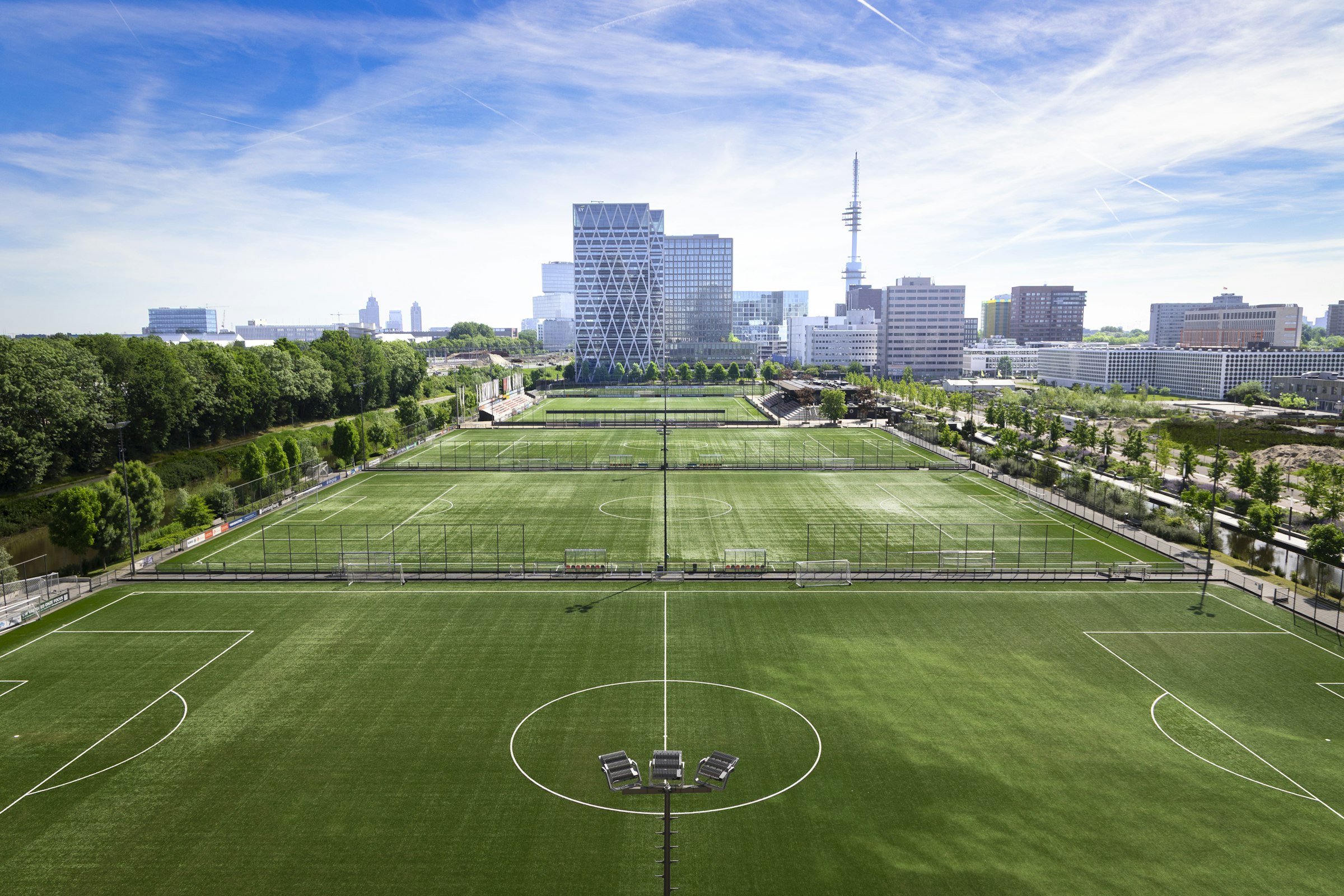
From the 1928 Olympic Stadium, through the Rijksmuseum and twelve kilometres out along the Amstel.
Marathon Course · every marathon course, measured the same way
Amsterdam Marathon
From the 1928 Olympic Stadium, through the Rijksmuseum and twelve kilometres out along the Amstel. Olympic Stadium → Olympic Stadium, Amsterdam, Netherlands.
Elevation · measured on the course line published for the 2025 edition · AHN dtm_05m — 0.5 m bare-earth lidar (PDOK, CC BY 4.0) · smoothed 100 m -4–4 m
—
0.08.517.025.534.142.6
kmmi — elev — grade — hover or drag the profile
Sea level runs through the middle of this course. It spans 8 m of height, from -4 m to 4 m, so every bump in the line is a bridge, a dyke or an underpass, drawn large.
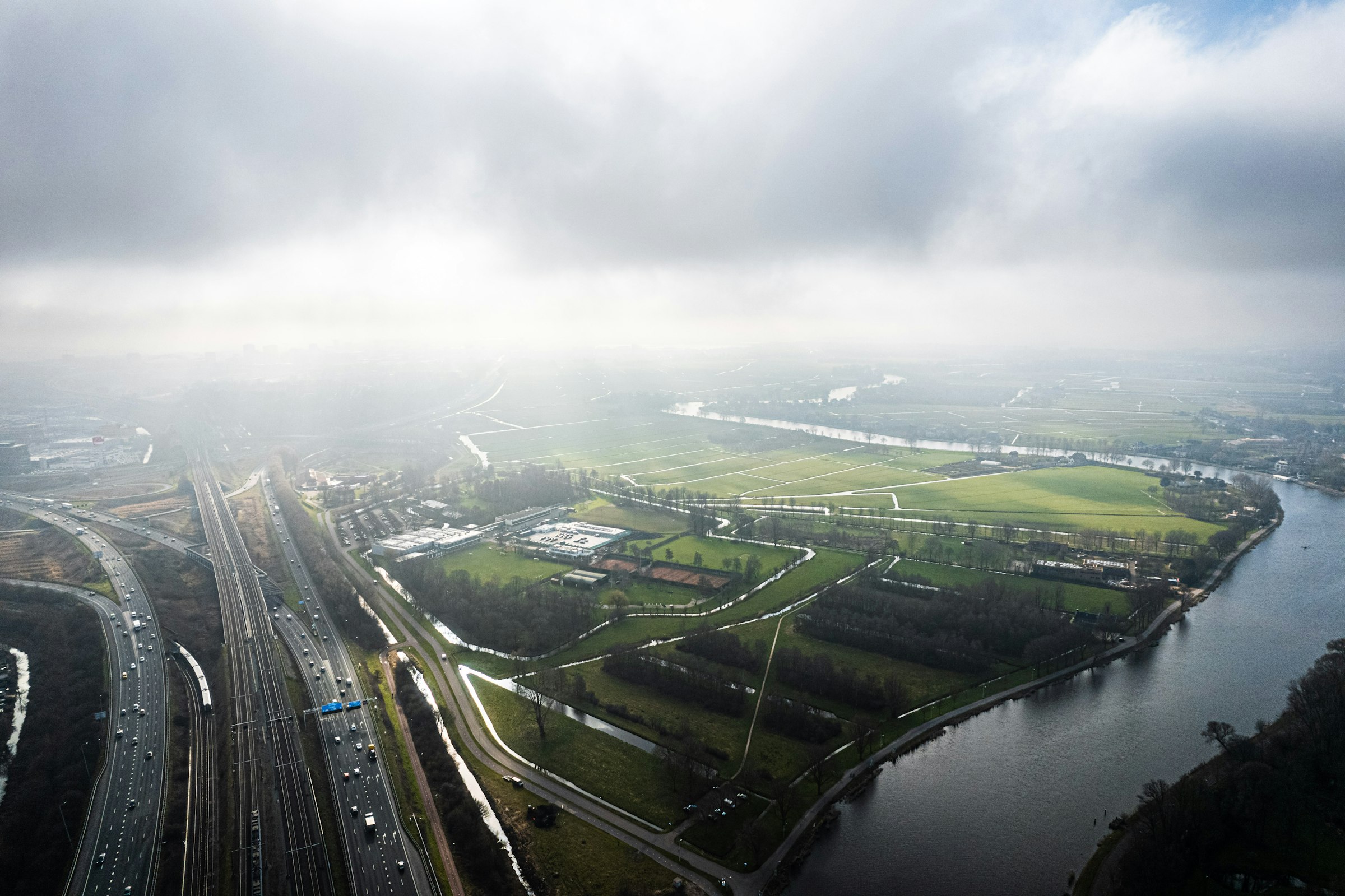
The first 13.0 km wander within a few metres of sea level through the Vondelpark, the museum quarter and the Zuidas. The Amstel stretch, from about 14.0 km to 26.0 km, is the calmest part of the course. It's twelve kilometres beside the river that climb 10 m in total, with the turn at Ouderkerk at 19.4 km.
The only feature with a name comes after it. At 30.4 km the course drops 7 m in a kilometre into the Watergraafsmeer, a drained lake and the lowest ground of the day: -4 m at 31.1 km. It stays below -3 m until 33.5 km. Then the steepest climbing kilometre on the course, which gains under 5 m, brings you back up to the level of the city. The last 9.0 km run home through the east and back through the Vondelpark to finish less than a metre above the start. Add up the energy cost of every gradient and the course comes out about level with a flat 42.195 km.
Take it with you
Course GPX Organiser's course map
The GPX is ours: our resampled line, a point every 25 m, carrying AHN dtm_05m — 0.5 m bare-earth lidar (PDOK, CC BY 4.0) elevation rather than the GPS noise a watch file usually holds.
AHN dtm_05m — 0.5 m bare-earth lidar (PDOK, CC BY 4.0), measured on the course line published for the 2025 edition, smoothed 100 m · marathoncourse.com/marathons/amsterdam/ · checked 2026-09-24
19801990200020102020
Pace is derived from the certified distance. Terrain-adjusted figures come from the same model that ranks every course on this site.
Men’s course record
2:03:30
Geoffrey Toroitich Kipchumba · 2025
Women’s course record
2:16:52
Yalemzerf Yehualaw · 2024
The morning, hour by hour
Cut-offs
The organiser's 2026 marathon page. Waves start at the same times in both start areas. The organiser publishes cut-offs to 25 km and then the finish. Runners passed by the sweeper vehicle are asked to leave the course, and the road reopens behind it. The time limit is six hours.
Race-day mean temperature, 1995-2025. Lime marks the hottest edition; the coldest and wettest carry a label only, so the colour still means one thing.
By vertical range, yes, of the 28 courses we've measured: every point sits between -4 m and 4 m, a range of 8 m. The Gold Coast and Chicago are within half a metre of it. Total climb is another matter. Amsterdam's bridges and underpasses add up to 73 m over the distance, about the same as Berlin, and Rotterdam and Seville both climb less.
AHN 0.5 m lidar, sampled every 25 m, smoothed over 100 m. Raw-to-smoothed ratio 1.45.
Nearly a third of it does. The lowest stretch is the Watergraafsmeer, a lake drained in the seventeenth century, where the course sits more than 3 m below sea level for about 2.7 km. It bottoms out at -4 m at 31.1 km. You won't feel it; the descent in is spread over a kilometre.
AHN heights against NAP, the Dutch sea-level datum.
Through it, underneath the building. The museum has a public passage through its centre, used by the course since 2013, at about 4.0 km. It comes early and the field is still dense, so enjoy the acoustics rather than looking for space.
The organiser's course map; the passage was first used in 2013.
The direct route is closed for 2026. What's left is the organiser's official ticket resale, a tour-operator package, or a charity place with the Dutch Cancer Society's Run Against Cancer, which asks for at least €750 in sponsorship. For 2027, registration last opened in the week before Christmas; watch for it then.
The organiser's registration page, checked September 2026.
Fast enough that its records keep falling: the men's three times since 2018, to 2:03:30, and the women's four times since 2019, to 2:16:52. The course barely climbs, race-day temperatures have a median of 12 °C, and it starts and finishes in the same stadium.
Race results; weather from ERA5, 1995–2025.
Five on the course: 5 km by 10:31am, 10 km by 11:13, 15 km by 11:55, 20 km by 12:36pm and 25 km by 1:18pm. The finish closes at 5:00pm; the overall limit is six hours. Anyone the sweeper passes is asked to leave the course.
The organiser's 2026 marathon page.
Easily. It finishes less than a metre above where it starts, and its start and finish are 605 m apart, so it clears both World Athletics tests with room to spare. Both course records are among the fastest times ever run.
World Athletics Competition Rule 31.21, and this site's measurements.
The 2026 marathon is capped at 32,000 and sold out. Of those, 16,000 start on the field inside the Olympic Stadium and 16,000 on Stadionweg outside it. In 2025, 23,328 finished.
Organiser figures for the 2026 edition.
About 12.2 °C during a typical race: that's the median across 30 years, which have run from 6.8 °C to 18.2 °C. 1 of the 30 were wet.
ERA5 reanalysis for the race date, 1995-2025.
Yes. The course is certified and finishes less than a metre higher than it starts, so the B.A.A.'s downhill adjustment, which only applies from 1,500 ft of net drop, never comes into it. For a qualifier, the conditions help: there's almost no climbing, October mornings are cool, and the field is big enough that you'll never run alone.
Net drop +1 m from this site's course line; 2027 adjustment None. Certification platinum label: World Athletics Platinum Label; record-eligible.
It comes from AHN dtm_05m — 0.5 m bare-earth lidar (PDOK, CC BY 4.0), sampled every 25 m along the course line and smoothed over 100 m. The raw-to-smoothed ratio here is 1.45. Around 1.3 means the model is reading the ground, not rooftops; above about 2.0 the total climb carries real noise, and the net change is the sturdier number.
71 missing samples · 0 bridge spans corrected.
| Fact | Source | Verified |
|---|---|---|
| Course line | Third-party GPX for the 2025 edition. The organiser confirmed in April 2026 that the course is unchanged, and its 2026 map shows the same route. The file measures 42.766 km, 1.35 % long, from 1,227 points; our resampled line measures 42.569 km, so distances on this page run about 1 % long. Archived with its hash in data/raw/sources. | 2026-09-24 |
| Elevation | AHN, the Dutch national 0.5 m bare-earth lidar (PDOK, CC BY 4.0), sampled every 25 m, smoothed over 100 m. Raw-to-smoothed gain ratio 1.45. AHN leaves water and bridge decks blank, so 4.1 % of samples — the canal and river crossings — are interpolated between the banks. Heights are against NAP, the Dutch sea-level datum. | 2026-09-24 |
| Elevation, independent check | The organiser publishes a profile but no climb figure. Its chart runs between about −4 m and +5 m; ours runs between −4.2 m and +3.6 m, with the low point in the same place, the polder around 31 km. | 2026-09-24 |
| Race-day weather | ERA5 reanalysis via the Open-Meteo archive, 1995–2025 at the Olympic Stadium, 09:00–15:00 local, sampled on the third Sunday in October. That rule reproduces every edition from 2018 to 2026. 2020, when there was no race, is excluded. | 2026-09-24 |
| Course records | Geoffrey Toroitich Kipchumba 2:03:30 (2025), from World Athletics and the official results; some reports give 2:03:31. Yalemzerf Yehualaw 2:16:52 (2024). | 2026-09-24 |
| Entry and field | Entry €145, first come, first served, sold out; cap 32,000 across two start areas. 23,328 finished in 2025 and 16,815 in 2024, counted from the official results. | 2026-09-24 |
| Race day | The organiser's 2026 marathon page: six waves 9:00–9:43am, cut-offs at 5, 10, 15, 20 and 25 km, finish closing 5:00pm, refreshment points at km 5, 8, 11, 16, 18, 20, 25, 27, 30, 31, 33, 35, 38 and 40. | 2026-09-24 |
| Record eligibility | World Athletics Competition Rules, Book C, Part III — Competition Rule 31.21: a record course may lose no more than 1 m per kilometre, and its start and finish may be no more than 21.098 km apart. Amsterdam gains 0.5 m overall and its start and finish are 605 m apart. Inside both. | 2026-09-24 |
Until the Amsterdam Marathon · 18 Oct 2026
— days
— hrs— min— sec
Toronto, Canada · 18 Oct 2026
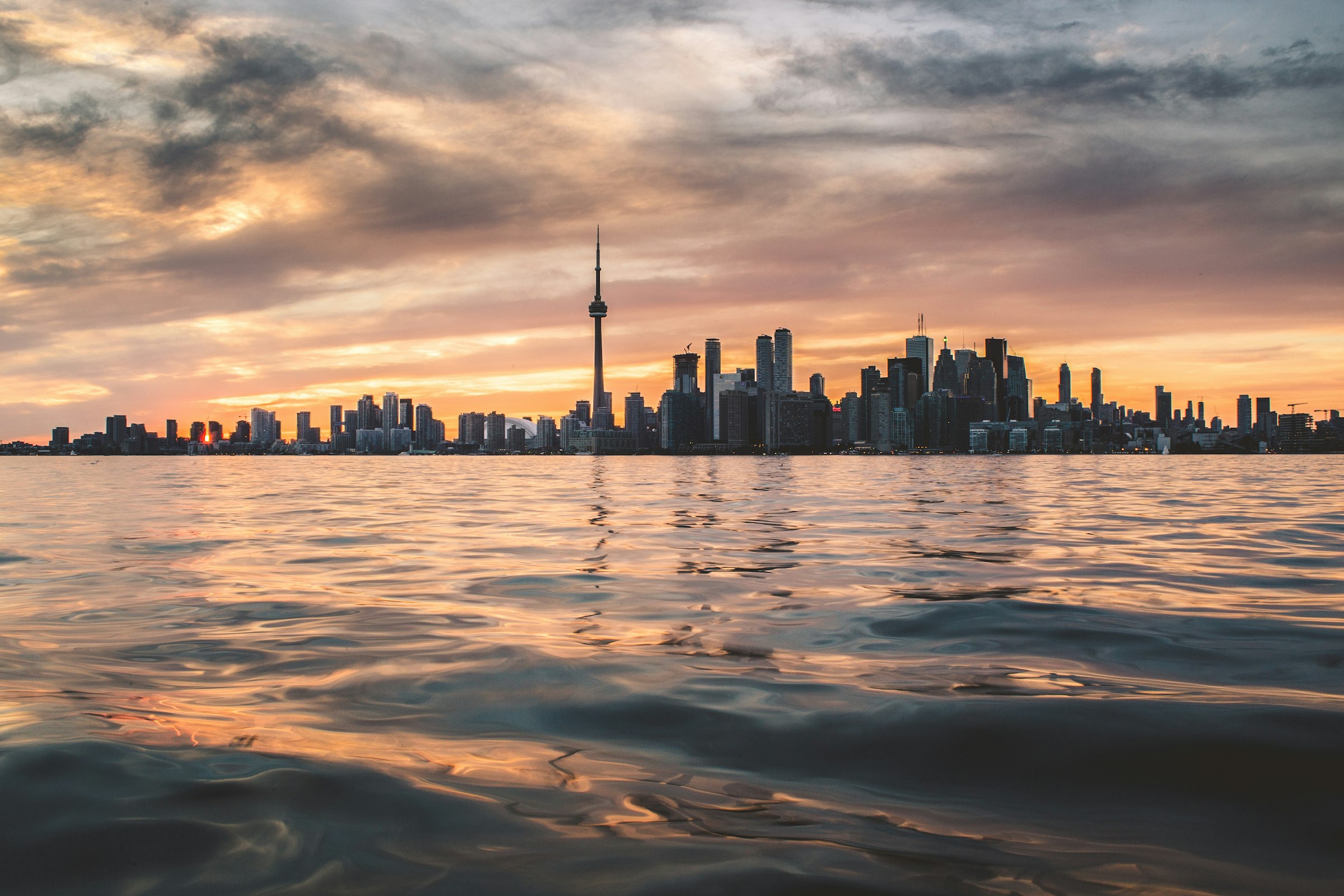
Canada's biggest marathon spends most of the morning on the shore of Lake Ontario.
Frankfurt, Germany · 25 Oct 2026
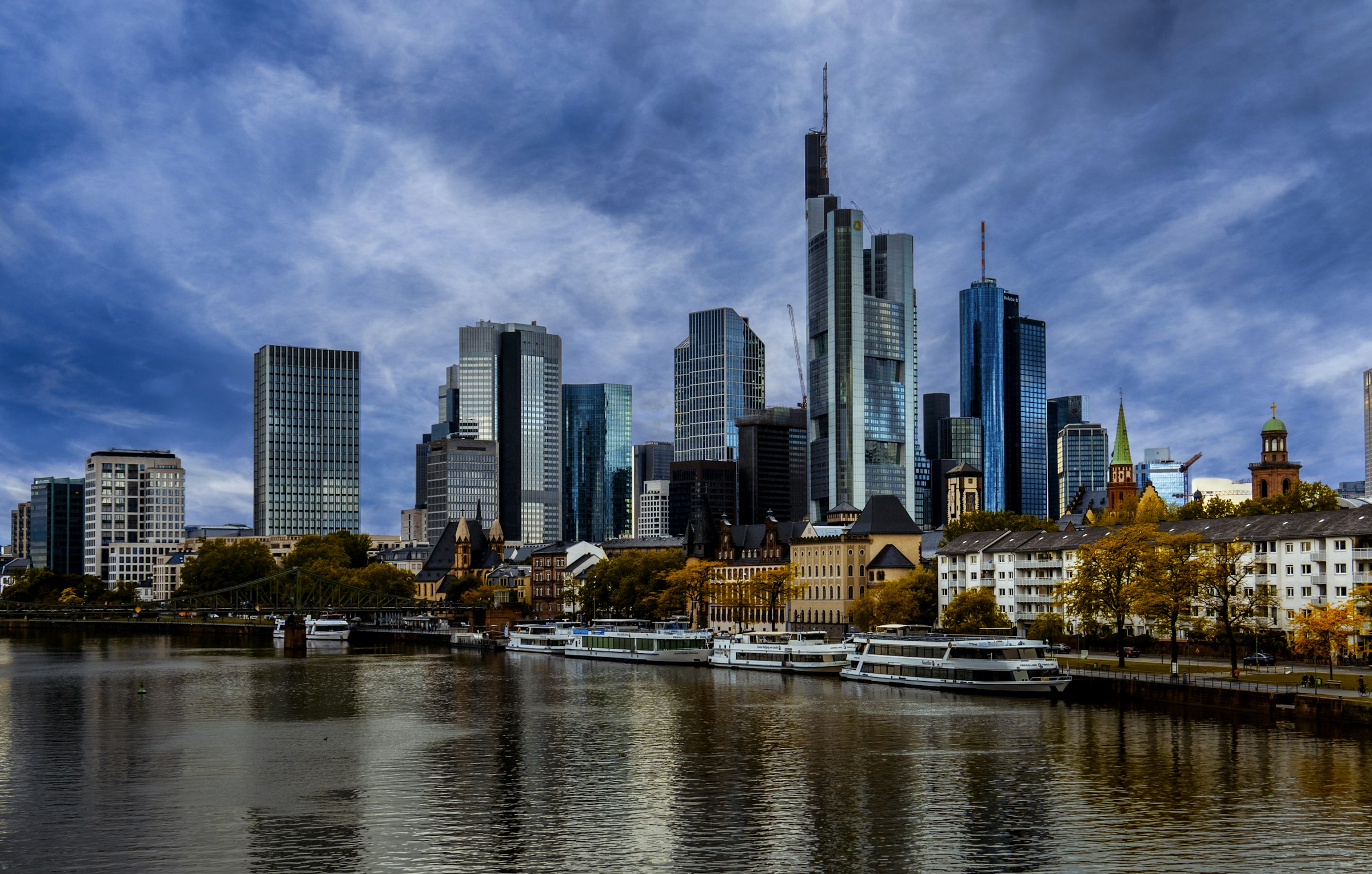
Twice across the Main and out to Höchst, then home to a red carpet inside the Festhalle.
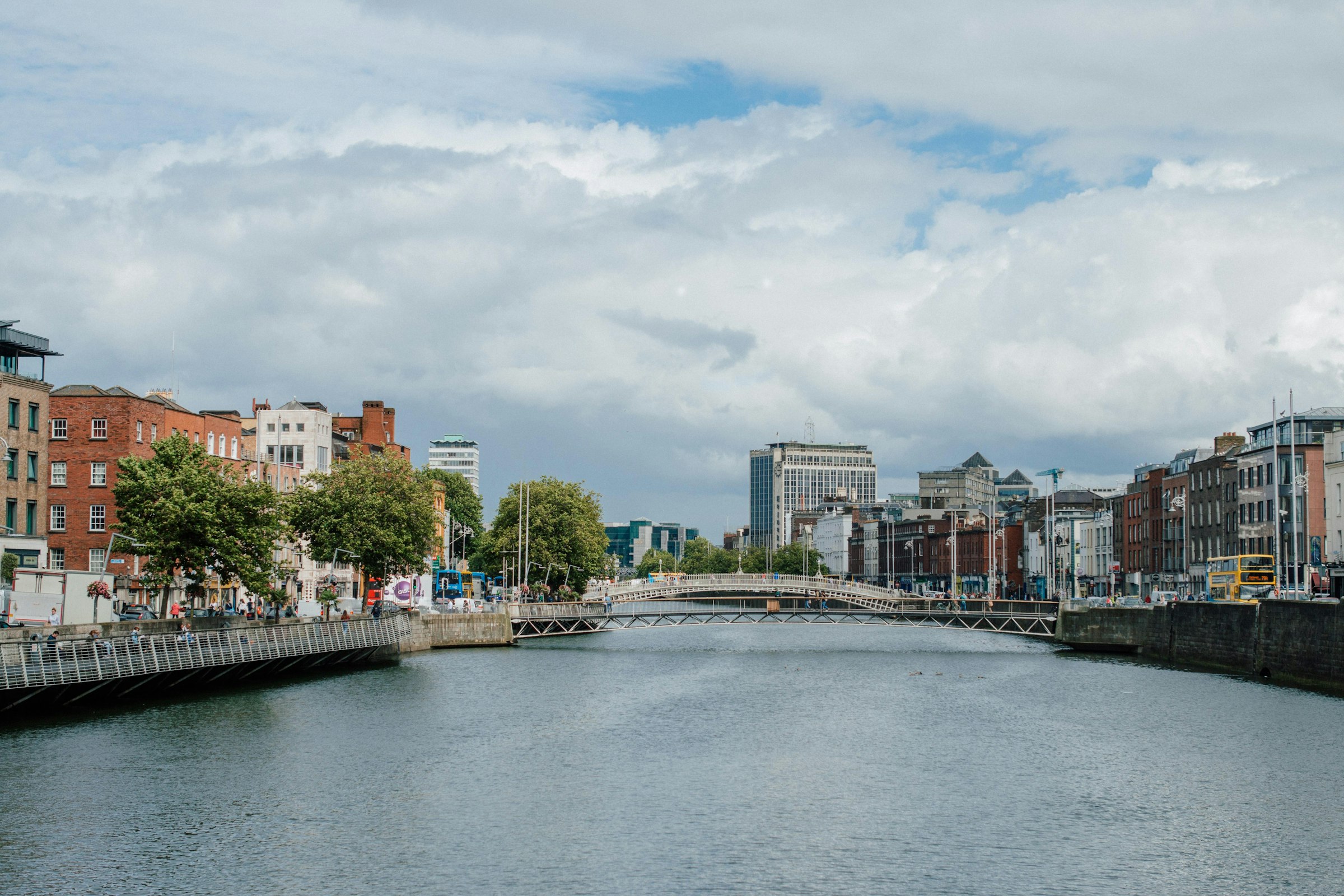
Dublin, Ireland · 25 Oct 2026
The bank-holiday marathon: out through Phoenix Park, round the southern suburbs, and home past the Georgian squares.