Men’s course record
2:10:34
Edwin Kiptoo · 2023
- Average pace
- 3:06 / km
- Terrain-adjusted
- —
Europe15
Americas6
Athens, Greece The second Sunday in November: 8 November in 2026 Founded 1972
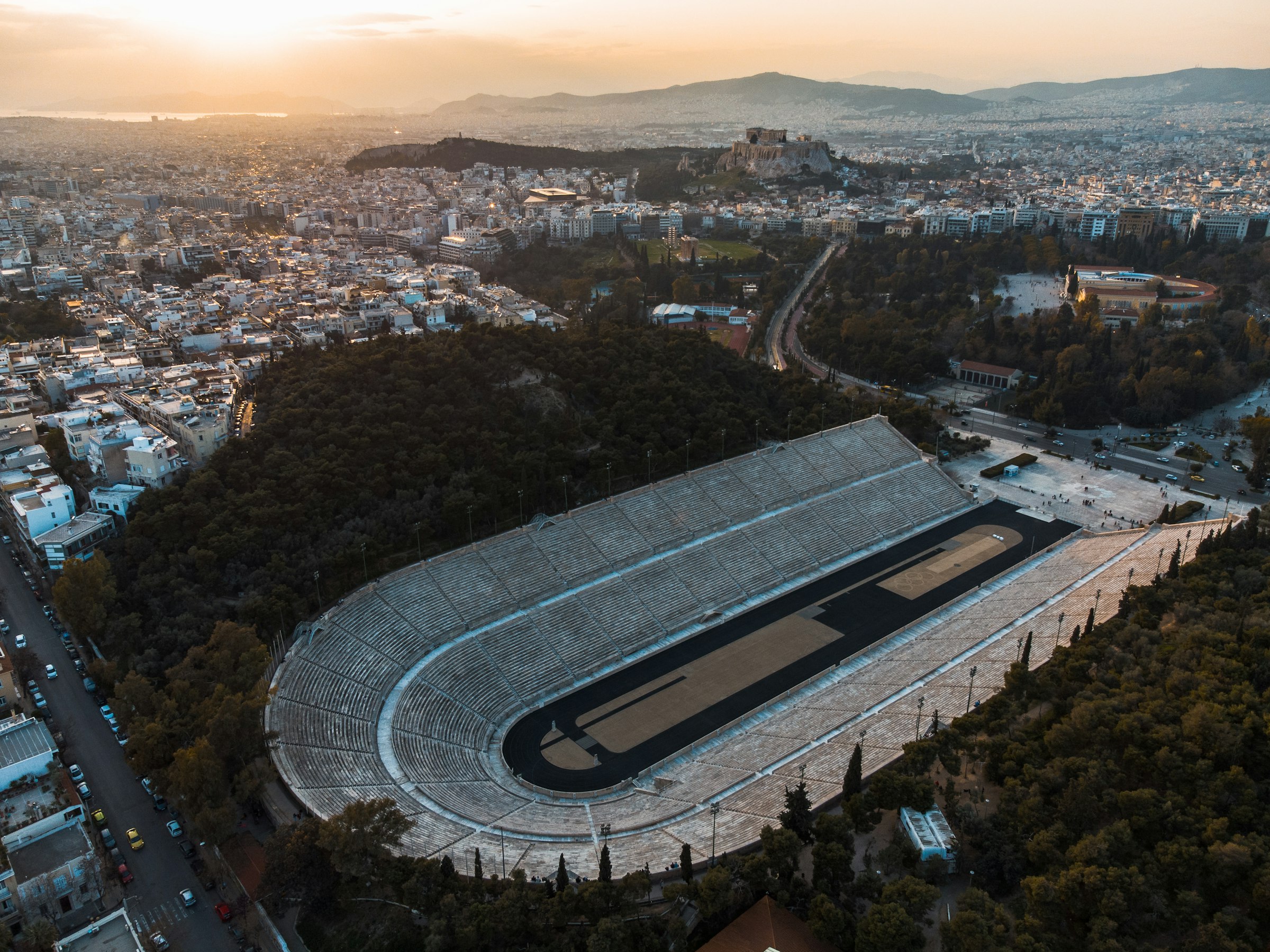
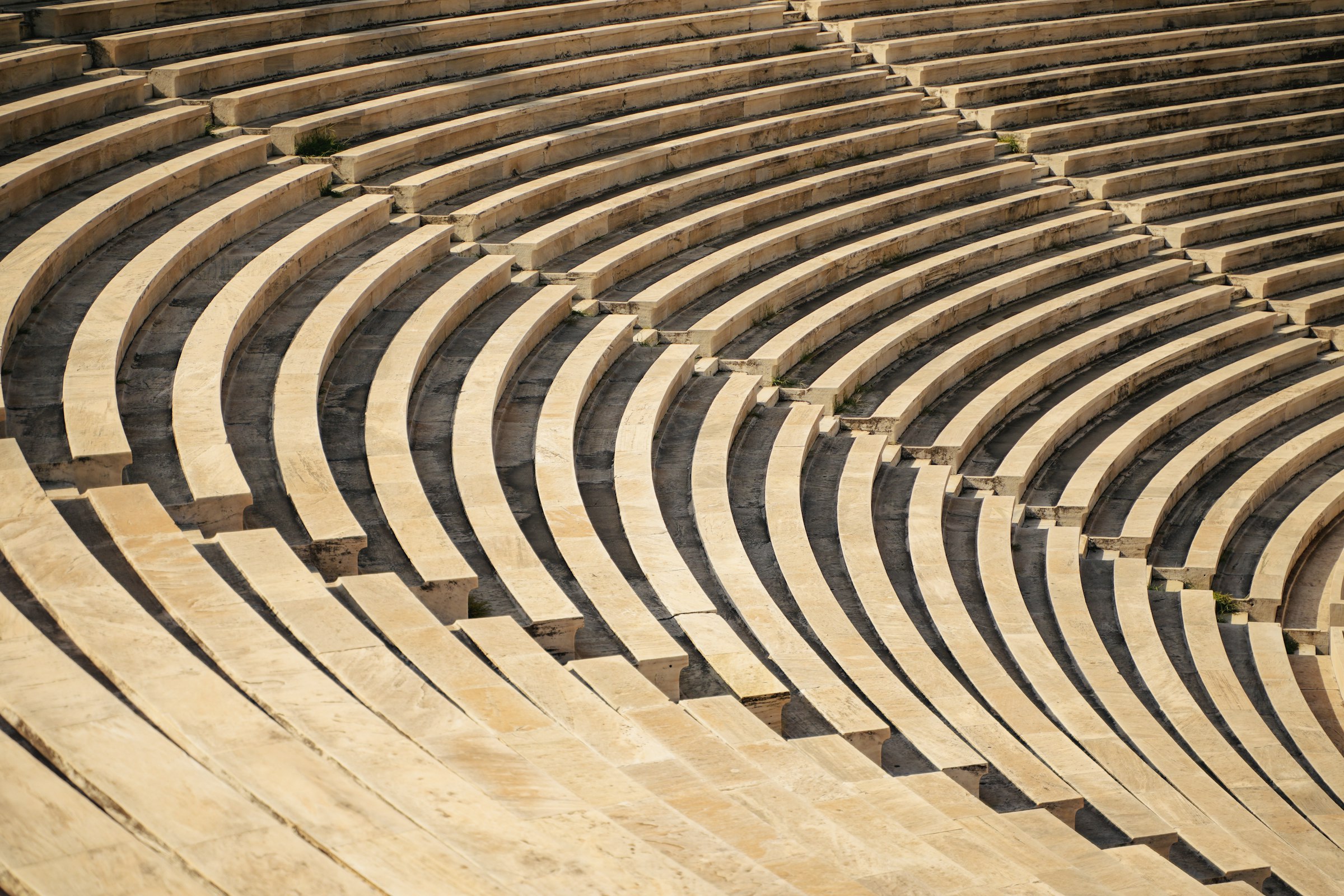
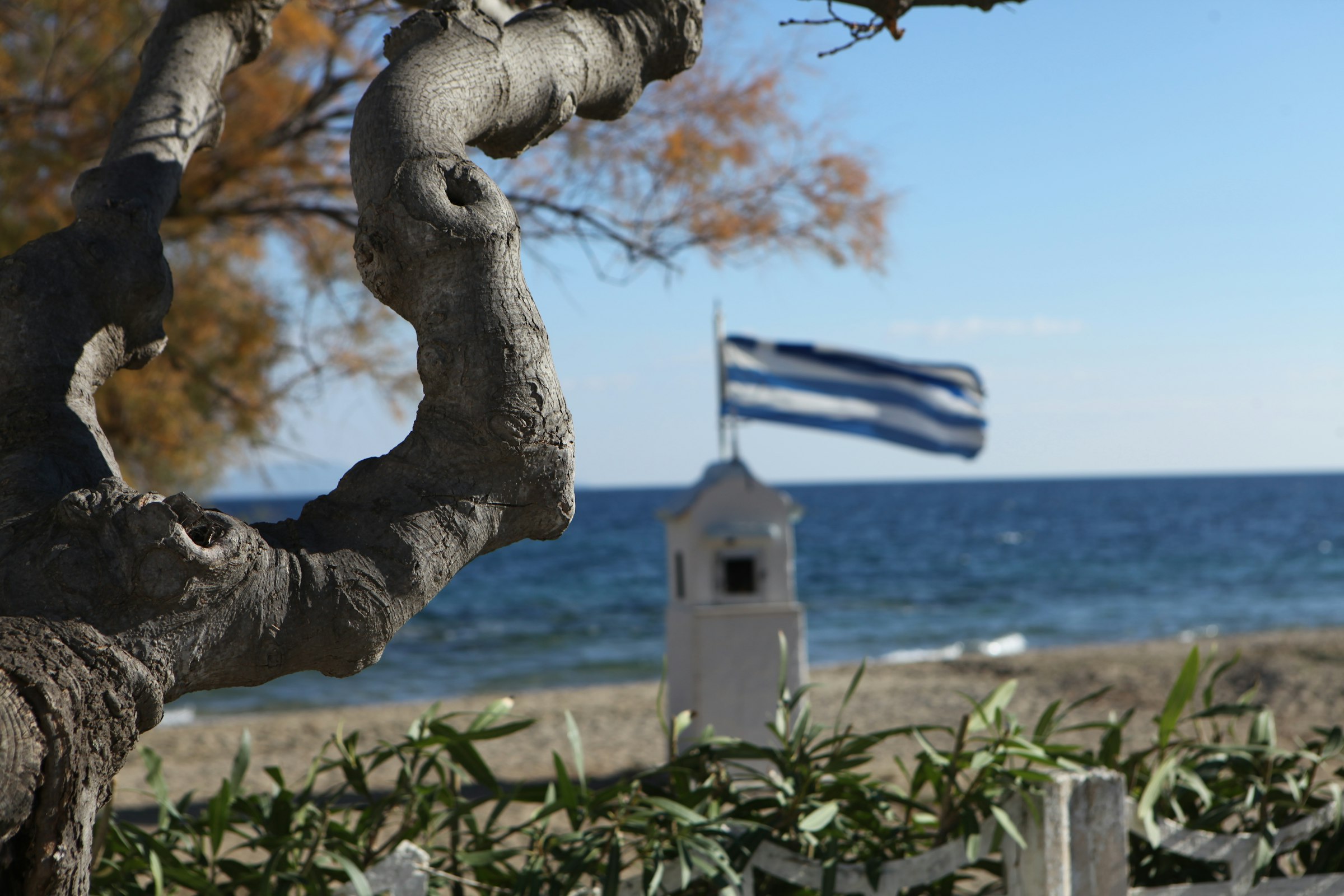
Round the burial mound at Marathon, south through Nea Makri, then a long climb inland and down into Athens to finish in the marble stadium of 1896.
Marathon Course · every marathon course, measured the same way
Athens Marathon
Round the burial mound at Marathon, south through Nea Makri, then a long climb inland and down into Athens to finish in the marble stadium of 1896. Marathon → Panathenaic Stadium, Athens, Greece.
Distance · course line for the 2024 edition · elevation not measured yet
—
0.08.516.925.433.842.3
kmmi — hover or drag the strip
The first 10.0 km are the easy part: gently downhill from the start, then flat past Nea Makri. From about 11.0 km the organiser describes the road rising in stages, with a steep drop before the Rafina junction. After it the climbing is hardest to 20.0 km, again at 25.0 km and through Pallini. The last and toughest pull is to the Stavros junction at 31.0 km. World Athletics calls the whole thing a relentless uphill of close to 21 km.
The organiser's course map draws the whole shape. It runs from about 10 m near Nea Makri to just under 250 m at Stavros, then down to about 100 m at the stadium. Most of the last 11.0 km is downhill, steepest from the defence ministry to Katechaki at 37.5 km.
This course isn't measured here yet, because no open terrain model that covers it can be published from. Every height on this page is the organiser's.
Take it with you
course line for the 2024 edition, elevation not measured · marathoncourse.com/marathons/athens/ · checked 2026-09-25
19801990200020102020
Pace is derived from the certified distance. Terrain-adjusted figures come from the same model that ranks every course on this site.
Men’s course record
2:10:34
Edwin Kiptoo · 2023
Women’s course record
2:31:06
Rasa Drazdauskaitė · 2010
The morning, hour by hour
Cut-offs
The organiser's 2026 participant instructions. Block times are indicative until two weeks before the race. Greece is back on winter time by November. The organiser gives a closing time at every station; these are six of them. They're clock times, the same for every block, set so the last block to start has eight hours. Past them you carry on at your own risk as police reopen the road, or ride the bus that follows the last runners.
Race-day mean temperature, 1995-2025. Lime marks the hottest edition; the coldest and wettest carry a label only, so the colour still means one thing.
Very, in the middle. The organiser describes the road rising from about km 11 to the Stavros junction at 31.0 km, with the hardest part at the end. Its course map draws that climb from near sea level to just under 250 m. Most of the last 11.0 km is downhill.
The organiser's 2026 route description and course map.
No. All 25,000 places went within 36 hours of entry opening on 24 April 2026. Registration closed on 25 September. Entry for 2027 should open about six months before the race, and 2026's full-package runners get first go.
The organiser's news and 2026 marathon page, checked 25 September 2026.
For 2026, €75 for citizens and permanent residents of the EU, while those places lasted, and €165 for the full package, which everyone else has to take. The €75 places sold out in about six hours.
The organiser's 2026 marathon page.
Yes, 20. For 2026 that means runners born in 2006 or earlier, as the organiser counts by year of birth, not birthday.
The organiser's 2026 marathon page.
On the organiser's buses, which are free for registered runners and need no booking. The first wave leaves six metro stops in the centre from 5:00am. The second leaves stops along Mesogeion Avenue from 6:30am.
The organiser's 2026 participant instructions.
No. Bags are handed in at the expo in Faliro, by 9pm on the Saturday at the latest, and collected after the finish at the Zappeion, beside the stadium.
The organiser's 2026 participant instructions.
No. The men's record is Edwin Kiptoo's 2:10:34 from 2023, and the women's is Rasa Drazdauskaitė's 2:31:06 from 2010. The weather doesn't help either: 11 of 29 race-day Sundays since 1995 averaged 17 °C or more across the race hours.
Race results; ERA5 race-day climatology at the start.
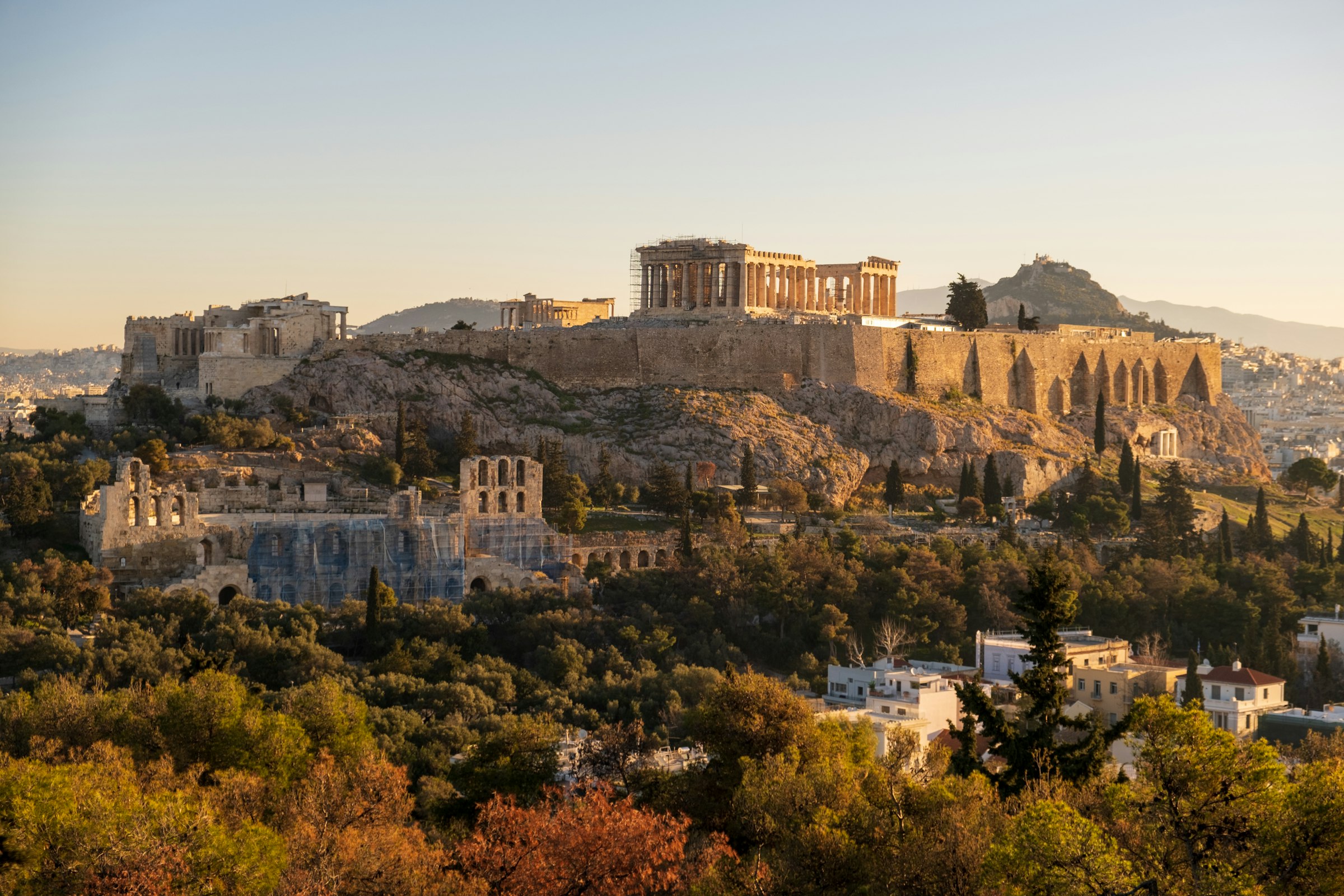
It's the route of the first Olympic marathon, in 1896, from Marathon to the Panathenaic Stadium. Whether the messenger of legend ran this way nobody can say. Herodotus has Pheidippides running to Sparta, and the run to Athens first appears in writers more than a century after the battle.
Herodotus, Histories 6.105–106; Plutarch, On the Glory of the Athenians 3.
Yes. At about 4.7 km it loops round the Tymvos, the burial mound of the Athenians who fell in 490 BC. The Marathon flame's opening ceremony is held there on the Saturday before the race.
The organiser's route description and marathon-week programme; this site's course line.
Not a world record. The start and finish are 28.1 km apart in a straight line, and World Athletics allows no more than half the race distance. Finish times still count in the World Marathon Majors' age-group rankings, which Athens joined in 2026.
World Athletics Competition Rule 31.21; this site's course line; the organiser's news of 18 September 2026.
All 25,000 places for 2026 are taken. In 2025 a record 19,104 finished, and the organiser counted 18,000 runners from outside Greece across the weekend's races.
Organiser figures for the 2026 edition.
About 16.1 °C during a typical race: that's the median across 29 years, which have run from 9.7 °C to 22.1 °C. 3 of the 29 were wet.
ERA5 reanalysis for the race date, 1995-2025.
Very likely. As a World Athletics label race the course has to be measured by an accredited measurer, and the organiser's own profile finishes higher than it starts, so the B.A.A.'s downhill adjustment has nothing to act on. The climb is the catch. It runs close to 21 km, from Nea Makri to the Stavros junction at 31.0 km.
Certification elite label: World Athletics Elite Label from 2026; not eligible for records, as its start and finish are 28.1 km apart.
| Fact | Source | Verified |
|---|---|---|
| Course line | Third-party GPX of the 2024 edition, run on 10 November 2024. It follows the organiser's own course file, published in April 2025 and still the one offered for 2026, to within 73 m everywhere, the widest gap near 38.7 km, and the organiser's 2026 route description matches it. The file measures 42.324 km from 641 points; our resampled line measures 42.287 km, so distances on this page run about 0.2 % long. Archived with its hash in data/raw/sources. | 2026-09-25 |
| Elevation | Not measured. No open terrain model covering this course can be published from yet, so there are no heights of our own; every height on this page is the organiser's. | 2026-09-25 |
| Course profile | The organiser's 2026 route description, which puts the climb between the 11th and 31st km and the hardest part at the Stavros junction, and the profile on its course map, read to the nearest 10 m: about 10 m near Nea Makri, just under 250 m at Stavros, about 100 m at the finish. World Athletics' 2010 race report calls it "a relentless uphill section of close to 21k". | 2026-09-25 |
| Race-day weather | ERA5 reanalysis via the Open-Meteo archive, 1995–2025 at the start in Marathon, 08:00–15:00 local, sampled on the second Sunday in November. That reproduces every date from 2022 to 2026. 2010, run on 31 October for the battle's 2,500th anniversary, and 2020, when the race was cancelled, are excluded. | 2026-09-25 |
| Course records | Edwin Kiptoo 2:10:34 (2023), from Kathimerini's race report (12 November 2023), three seconds inside Felix Kandie's 2:10:37; Rasa Drazdauskaitė 2:31:06 (2010), from World Athletics' race report. The 2025 winners, Panagiotis Karaïskos and Stamatia Noula, ran 2:20:10 and 2:39:28, from the organiser's race report. | 2026-09-25 |
| Entry and field | The organiser's 2026 marathon page and news: €75 for EU citizens and residents, €165 for the full package, 25,000 places sold out within 36 hours of opening on 24 April 2026. The organiser's figures put 2025 finishers at a record 19,104. | 2026-09-25 |
| Race day | The organiser's 2026 participant instructions: blocks from 8:30am, the last runner across the start by 10:15am, and an eight-hour limit to 6:15pm. Block times are indicative until two weeks before the race. Its marathon-week programme lists an 8:00 start, which every other page contradicts, so 8:30 is used. | 2026-09-25 |
| Label | World Athletics' announcement of 7 April 2026, published by the organiser: Elite Label from 2026, a target of Platinum by 2029, and formal exploratory talks for Athens to host the first World Athletics Marathon Championships in 2030. | 2026-09-25 |
| Record eligibility | World Athletics Competition Rules, Book C, Part III — Competition Rule 31.21: a record course may lose no more than 1 m per kilometre, and its start and finish may be no more than 21.098 km apart. Athens's start and finish are 28.06 km apart in a straight line, two-thirds of the race distance, so it fails the second test. The first can't be checked here without heights, though the organiser's own profile finishes higher than it starts. | 2026-09-25 |
Until the Athens Marathon · 8 Nov 2026
— days
— hrs— min— sec

Queenstown, New Zealand · 14 Nov 2026
Seventy percent hard-packed trail, between the Crown Range and the Remarkables, and no ballot to get in.
Valencia, Spain · 6 Dec 2026
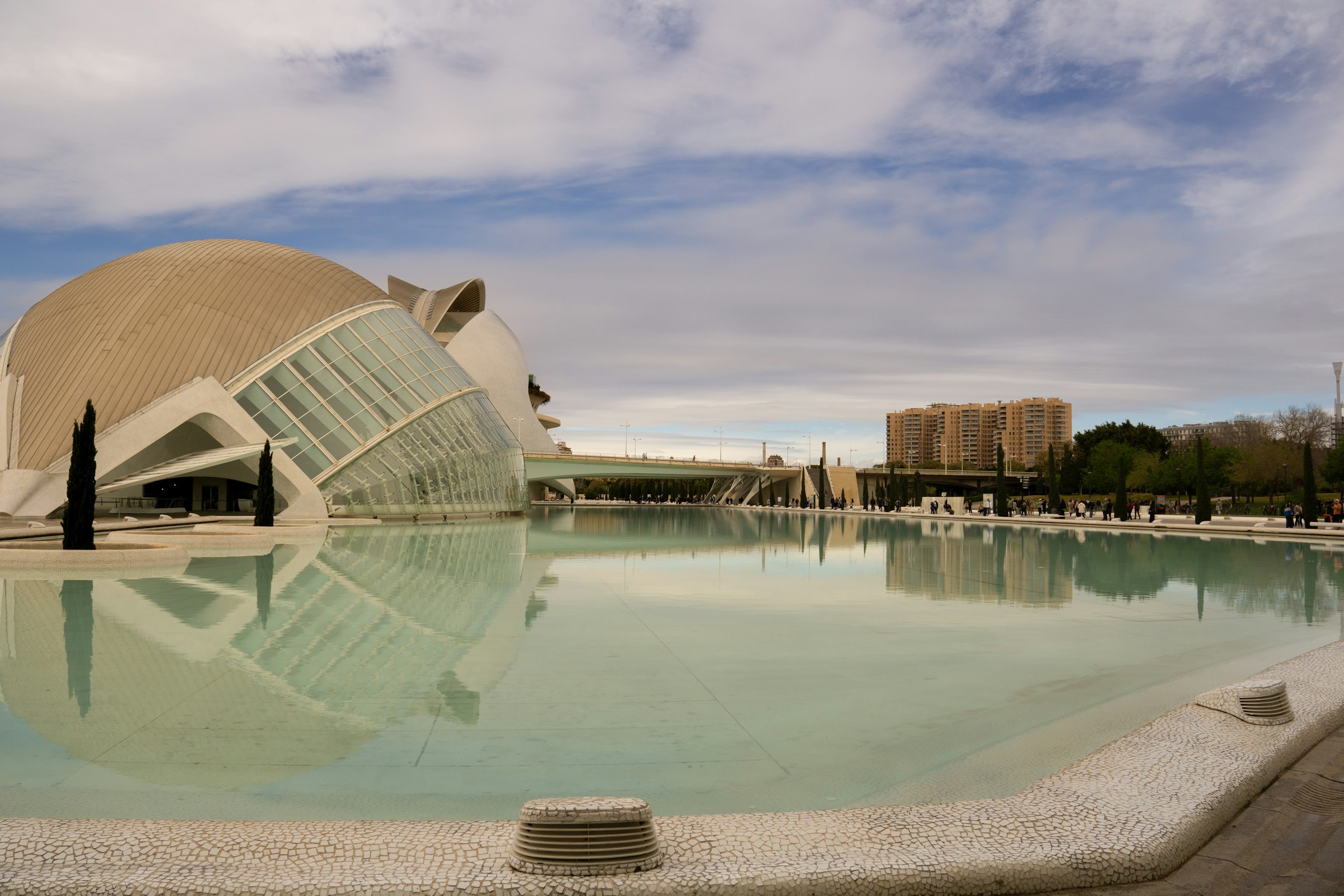
Out to the port, round the old city and home along the Turia gardens, to a finish laid over the water.
Honolulu, USA · 13 Dec 2026
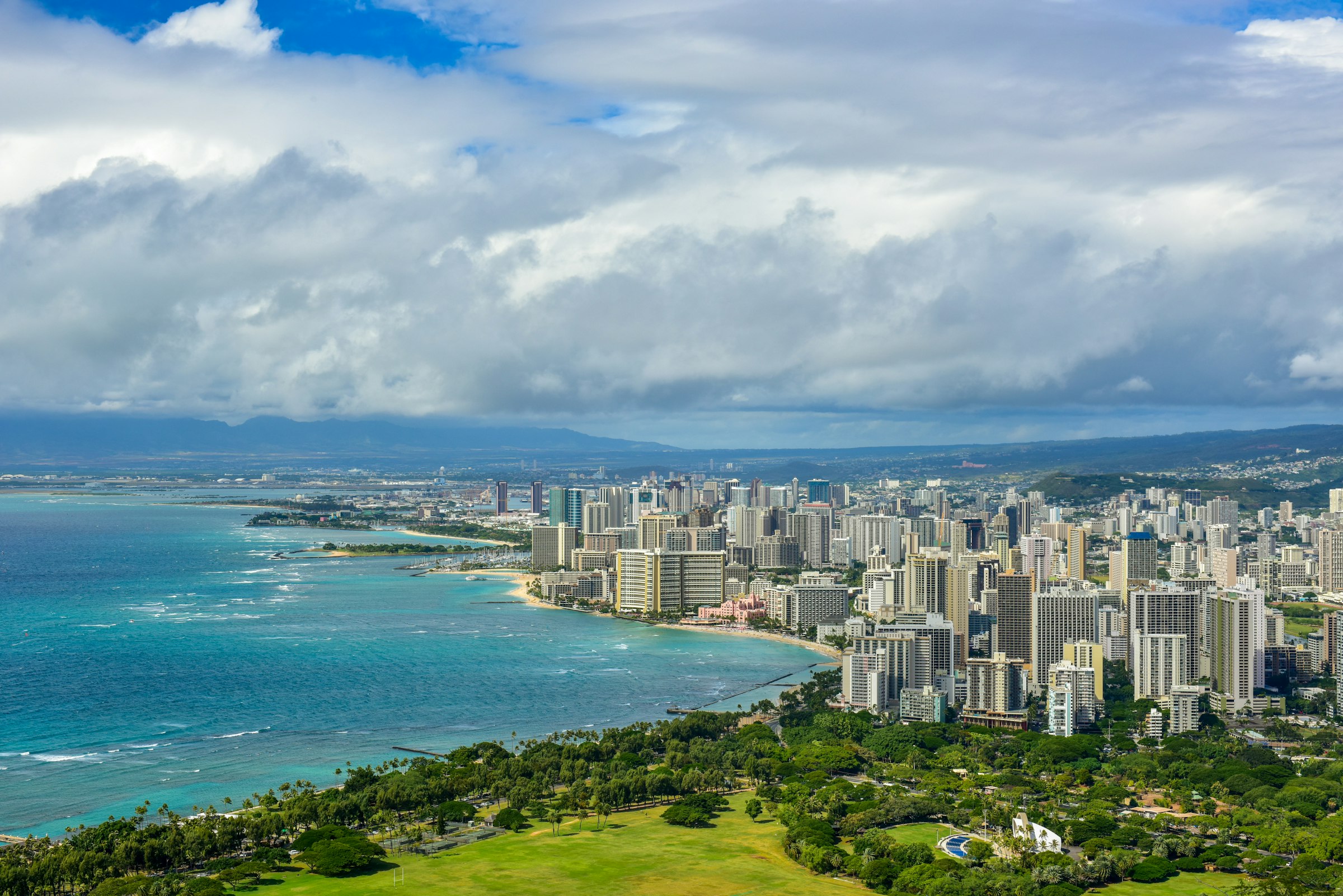
A 5:00am start under fireworks, twice round Diamond Head, and a finish that stays open until the last runner is in.