Men’s course record
2:05:00
Philemon Rono · 2019
- Average pace
- 2:58 / km
- Terrain-adjusted
- −0.01 %
Europe15
Americas6
Toronto, Canada The third Sunday in October Founded 2000
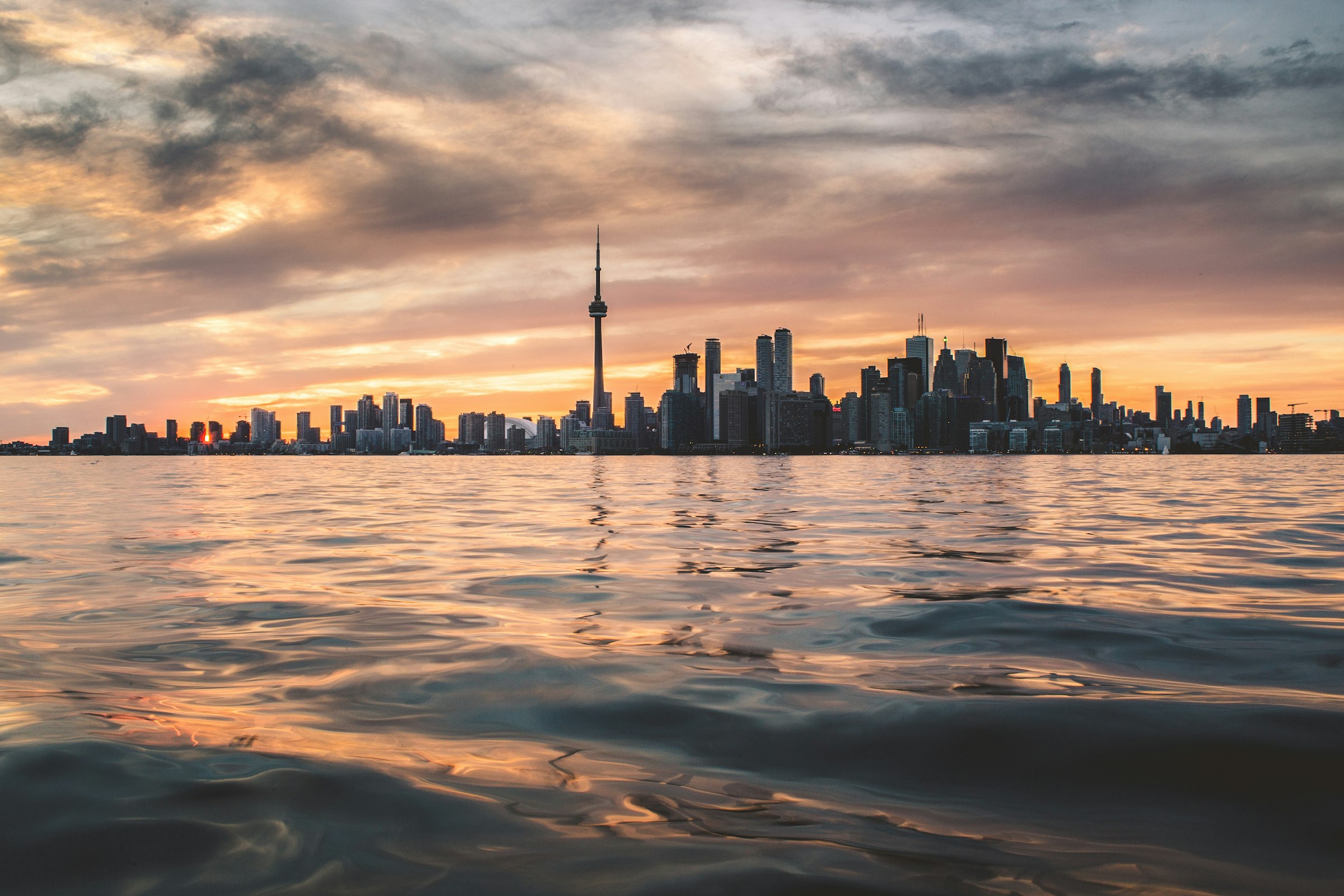
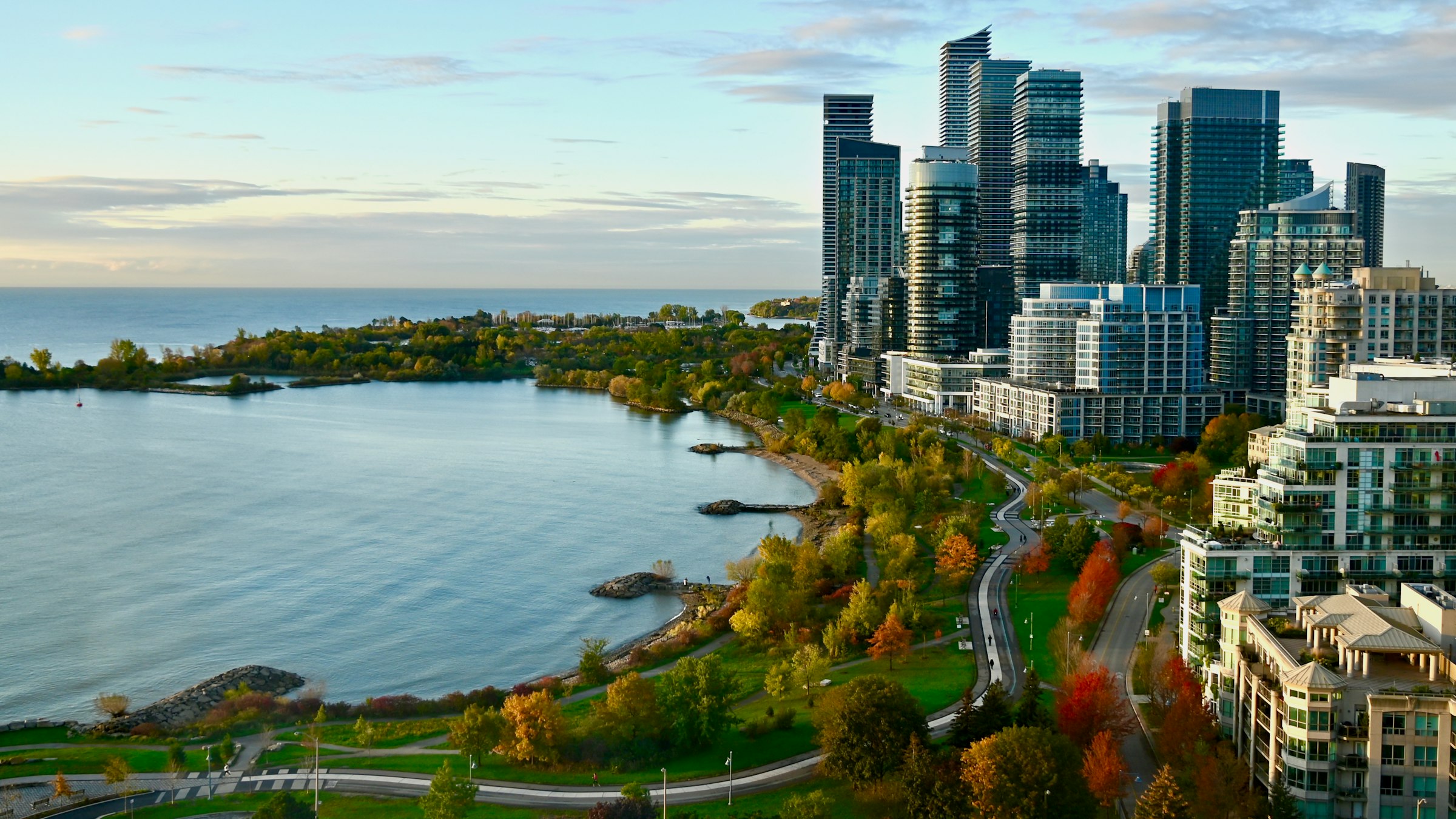
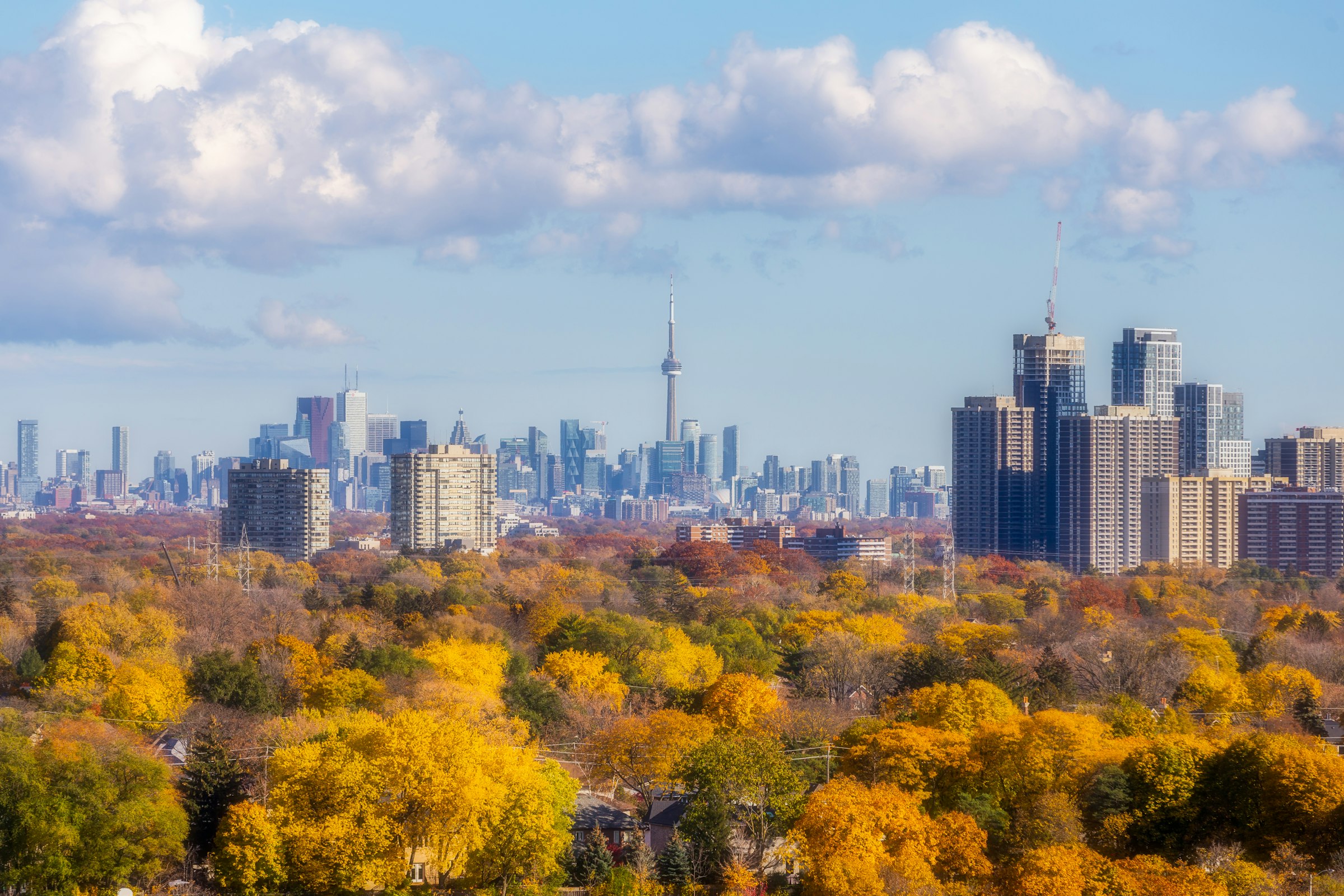
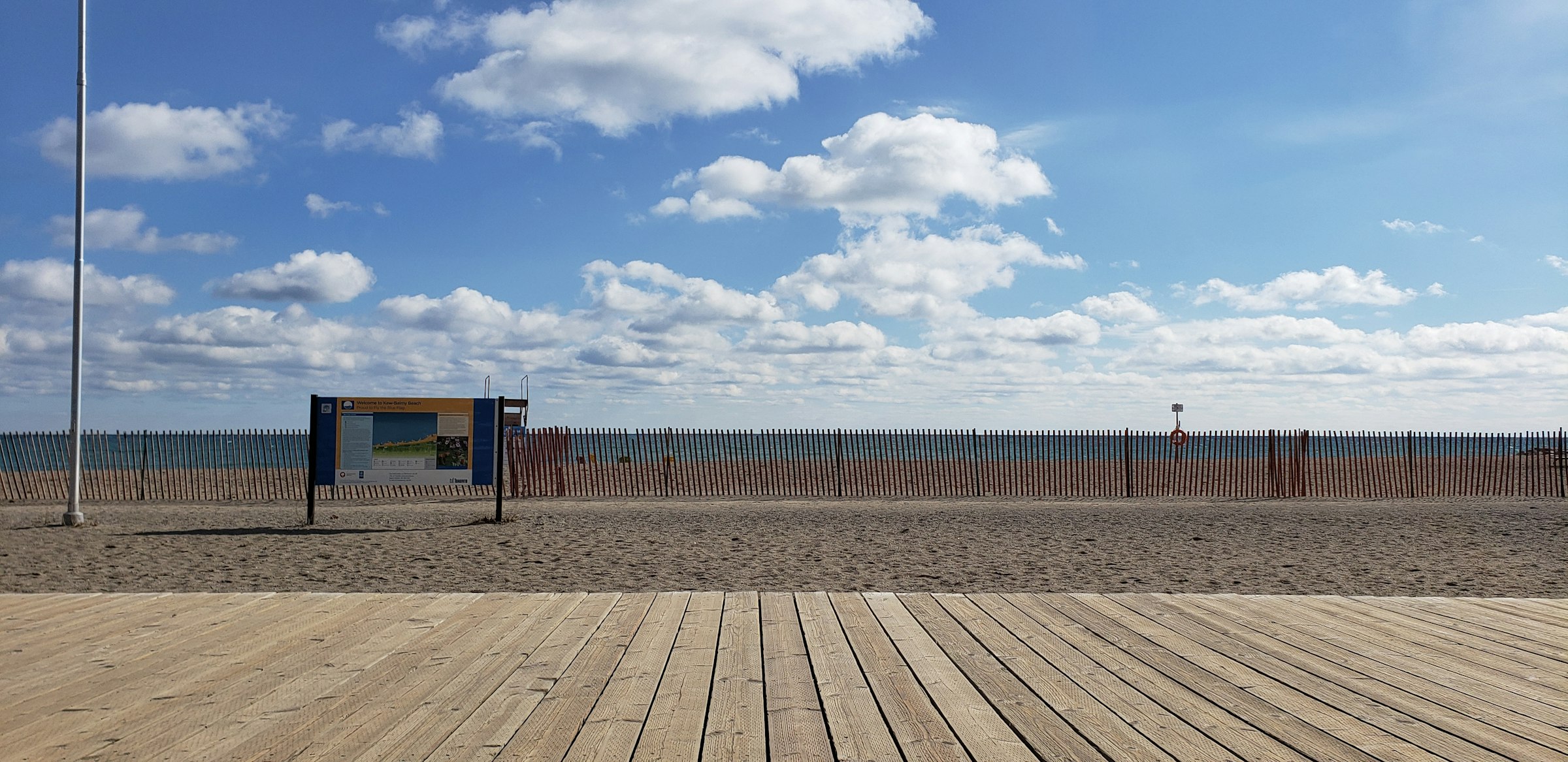
Canada's biggest marathon spends most of the morning on the shore of Lake Ontario.
Marathon Course · every marathon course, measured the same way
Toronto Waterfront Marathon
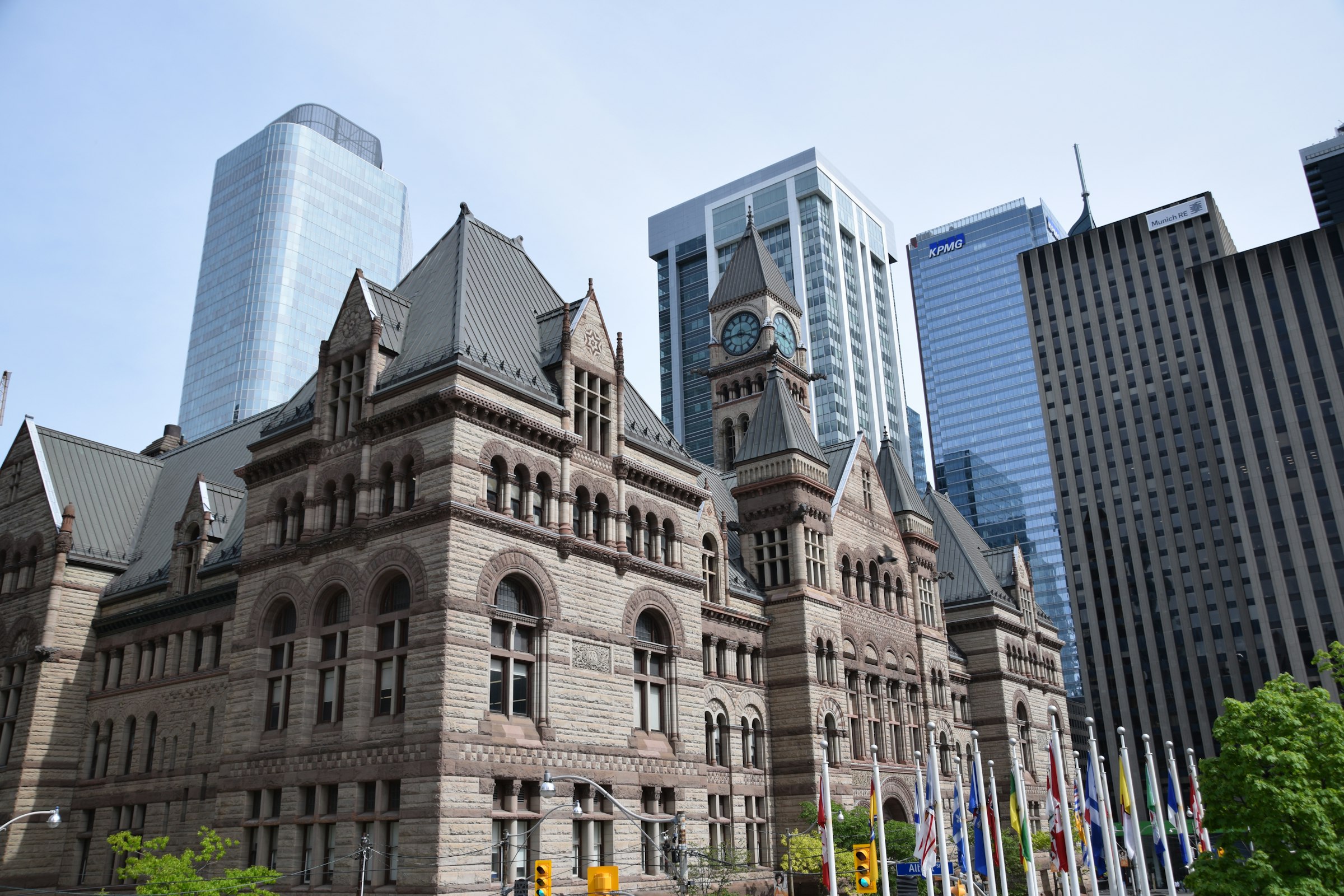
Canada's biggest marathon spends most of the morning on the shore of Lake Ontario. Yonge Street → Bay Street at City Hall, Toronto, Canada.
Elevation · a GPX of the 2025 course from the new Yonge Street start, which the organiser's 2026 map repeats · NRCan CDEM · smoothed 100 m 75–114 m
—
0.08.416.825.233.642.0
kmmi — elev — grade — hover or drag the profile
Nearly all of the shape is in the first six kilometres. From the start at 101 m the course climbs Yonge Street and runs west along Bloor to its high point, 114 m at 3.0 km. Then it turns south down Bathurst Street and falls to the lake. The steepest kilometre of the race loses 16 m from 4.8 km, and by 6.0 km the course has lost 34 m in all.
Then it flattens out. From 6.0 km to 31.0 km, out along Lake Shore Boulevard, back along the harbourfront and through Corktown, the course stays within about 10 m. It sits between 75 m and 86 m, with the low point at 30.2 km near Coxwell Avenue.
Two climbs remain. The steepest climbing kilometre, 10 m from 31.3 km, lifts the course from Lake Shore Boulevard into the Beach, to 89 m at the turn on Queen Street East. The finish is uphill. From 77 m at 40.2 km the course climbs 10 m up to Bay Street and City Hall, finishing 13 m below where it started. Add up the energy cost of every gradient and the course comes out about level with a flat 42.195 km.
Take it with you
Course GPX Organiser's course map
The GPX is ours: our resampled line, a point every 25 m, carrying NRCan CDEM elevation rather than the GPS noise a watch file usually holds.
NRCan CDEM, a GPX of the 2025 course from the new Yonge Street start, which the organiser's 2026 map repeats, smoothed 100 m · marathoncourse.com/marathons/toronto/ · checked 2026-09-24
200020102020
Pace is derived from the certified distance. Terrain-adjusted figures come from the same model that ranks every course on this site.
Men’s course record
2:05:00
Philemon Rono · 2019
Women’s course record
2:20:44
Waganesh Mekasha · 2024
The morning, hour by hour
The organiser's 2026 event information. Toronto has no intermediate cut-offs. The limit is six hours; runners outside it are asked onto the sidewalk to finish as pedestrians, and they still get a medal at the finish.
Race-day mean temperature, 1995-2025. Lime marks the hottest edition; the coldest and wettest carry a label only, so the colour still means one thing.
Flat in the middle, with its shape at the ends. The first six kilometres rise to 114 m on Bloor Street and then drop 34 m to the lake; the last two climb 10 m up Bay Street. In between, for 25 km along the waterfront and through Corktown, the course stays within a band about 10 m deep. Its many small rises, underpasses and bridges still add up, and the whole course climbs 152 m, about twice Berlin.
Natural Resources Canada CDEM, sampled every 25 m, smoothed over 100 m. Raw-to-smoothed ratio 1.59.
Yes, gently. From 77 m near the lake at 40.2 km the course climbs 10 m over the last two kilometres to finish on Bay Street at City Hall. It isn't steep, but it comes when nothing else is left, and it's the stretch the organiser's own hazard list singles out.
This site's course line; the organiser lists the Bay Street incline as a course hazard.
Not if you want to be there on time. The subway opens at 8:00am on Sundays, the same minute the race starts. The organiser recommends the Yonge and Bloor buses. The start is on Yonge Street near Elm, and bag check is at Nathan Phillips Square, a short walk south-west, from 6:00am.
The organiser's 2026 event information.
Only through a tour-operator package. Every distance is sold out and there's no waitlist. A runner who already holds a place can transfer it once, for $10. For 2027, plan to enter soon after registration opens.
The organiser's registration pages, checked September 2026.
The course records, 2:05:00 and 2:20:44, are the fastest marathons ever run in Canada, and Canada's men's and women's records have both been set here. It's record-eligible too: it loses 13 m net against a World Athletics limit of about 42 m, and its start and finish are 1,015 m apart.
Yonge Street to Bay Street on this site's course line, set against World Athletics Competition Rule 31.21.
He made Toronto the place where age-group records fall. In 2003, at 72, he ran 2:59:10 here, the first marathon under three hours by anyone over seventy. In 2016, at 85, he finished in about 3:56, the oldest person ever to break four hours.
Race history; Whitlock's 2016 time is reported variously to the second.
Changeable. Mid-October mornings by the lake are usually cool, but editions have ranged from near freezing to warm and humid, as in 2025. Cam Levins broke the Canadian record on a cold morning in 2018. Plan for wind off the lake on the long Lake Shore stretches.
ERA5 reanalysis, 1995–2025, and race reports.
The 2026 marathon is capped at 9,500 and sold out. In 2025, 7,538 finished, more than any marathon in Canada had had before.
Organiser figures for the 2026 edition.
About 10.2 °C during a typical race: that's the median across 26 years, which have run from 3.8 °C to 20.2 °C. 4 of the 26 were wet.
ERA5 reanalysis for the race date, 1995-2025.
Toronto is certified and loses 13 m net, so the B.A.A.'s downhill adjustment, which begins at 1,500 ft, never applies. Save something for the end: the last two kilometres climb 10 m up Bay Street.
Net drop −13 m from this site's course line; 2027 adjustment None. Certification elite label: World Athletics Elite Label; host of the Canadian Marathon Championships.
It comes from NRCan CDEM, sampled every 25 m along the course line and smoothed over 100 m. The raw-to-smoothed ratio here is 1.59. Around 1.3 means the model is reading the ground, not rooftops; above about 2.0 the total climb carries real noise, and the net change is the sturdier number.
0 missing samples · 2 bridge spans corrected.
| Fact | Source | Verified |
|---|---|---|
| Course line | Third-party GPX for the 2025 edition, the first from the new Yonge Street start; the organiser's 2026 map shows the same route and kilometre markers. The file measures 42.158 km, 0.09 % short, from 927 points; our resampled line measures 42.006 km. Archived with its hash in data/raw/sources. | 2026-09-24 |
| Elevation | Natural Resources Canada's CDEM, sampled every 25 m, smoothed over 100 m. Raw-to-smoothed gain ratio 1.59. Two spans the model read from underneath were straightened between their ends: the stretch under the Gardiner Expressway at 18 km, and Eastern Avenue at 26 km. The Eastern Avenue bridge over the Don Valley Parkway humps more than a straight line, so its climb is slightly under-counted here. | 2026-09-24 |
| Elevation, independent check | The organiser's 2025 course map gives an estimated cumulative rise of 138 m. We measure 152 m, about 10 % more, with the high point in the same place, on Bloor Street between 2 and 3 km. | 2026-09-24 |
| Race-day weather | ERA5 reanalysis via the Open-Meteo archive, 1995–2025 at the Yonge Street start, 08:00–14:00 local, sampled on the third Sunday in October. That rule has matched every race since 2018, but earlier editions moved around — several before 2011 were run in late September — so samples before 2018 describe mid-October in Toronto rather than always the race itself. 2010, 2012 and 2017, when the race was on another known date, are excluded, with 2020 and 2021, when there was no race. | 2026-09-24 |
| Course records | Philemon Rono 2:05:00 (2019) and Waganesh Mekasha 2:20:44 (2024), both also the fastest marathons run in Canada. The 2025 winners, Leonard Langat 2:08:04 and Shure Demise 2:21:03, broke neither. | 2026-09-24 |
| Entry and field | First come, first served; every distance sold out for 2026, with a marathon cap of 9,500. 7,538 finished in 2025 and 6,268 in 2024, each then the most for a marathon in Canada. The entry fee is published only inside the registration form. | 2026-09-24 |
| Race day | The organiser's 2026 event information: wheelchairs 7:57am, corrals 8:00–9:25am, course closing 3:30pm, a six-hour limit, bag check at Nathan Phillips Square, aid about every 3 km. | 2026-09-24 |
| Record eligibility | World Athletics Competition Rules, Book C, Part III — Competition Rule 31.21: a record course may lose no more than 1 m per kilometre, and its start and finish may be no more than 21.098 km apart. Toronto loses 13.0 m overall — 0.31 m per kilometre — and its start and finish are 1,015 m apart. Inside both. | 2026-09-24 |
Until the Toronto Waterfront Marathon · 18 Oct 2026
— days
— hrs— min— sec

Frankfurt, Germany · 25 Oct 2026
Twice across the Main and out to Höchst, then home to a red carpet inside the Festhalle.
Dublin, Ireland · 25 Oct 2026
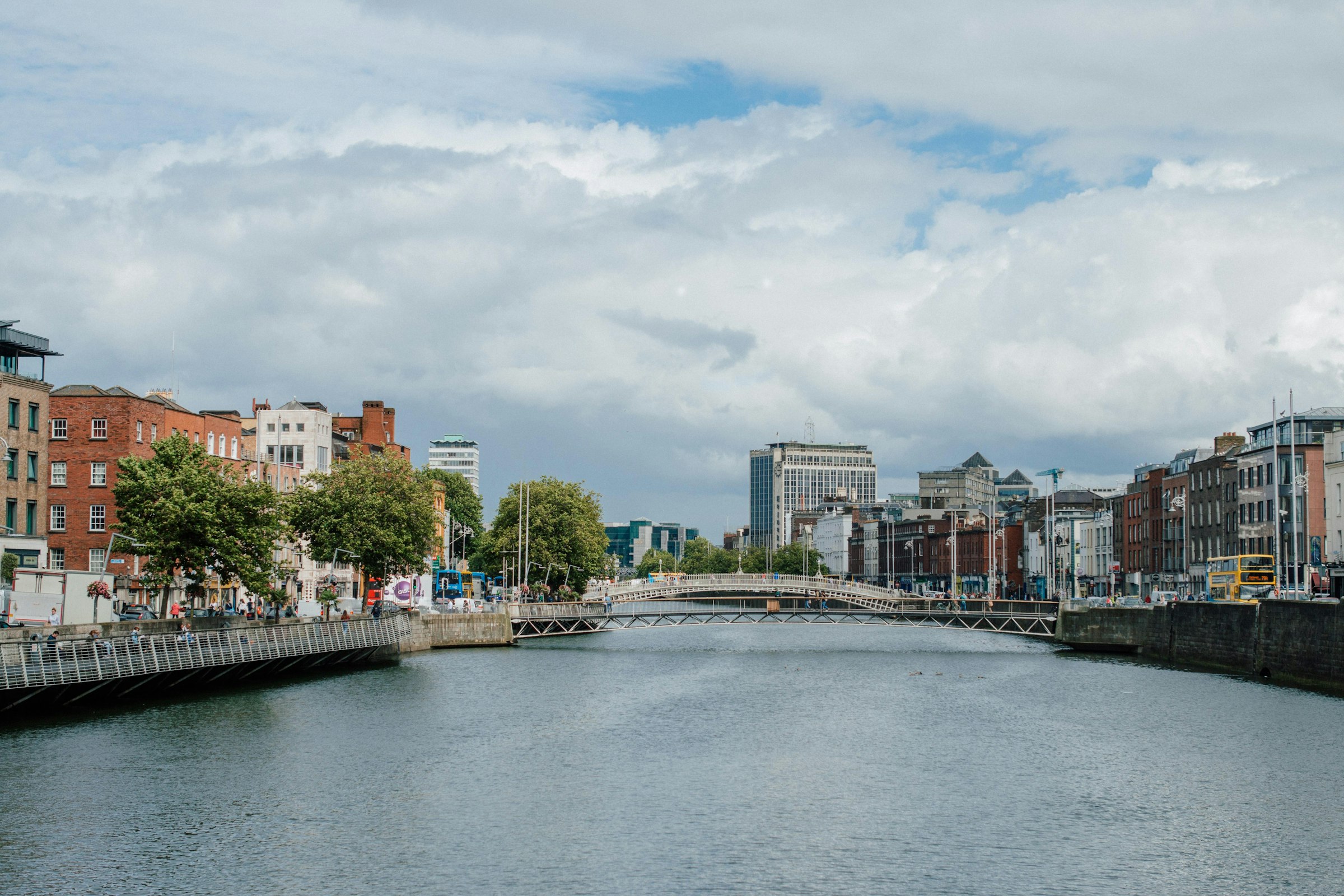
The bank-holiday marathon: out through Phoenix Park, round the southern suburbs, and home past the Georgian squares.
New York, USA · 1 Nov 2026
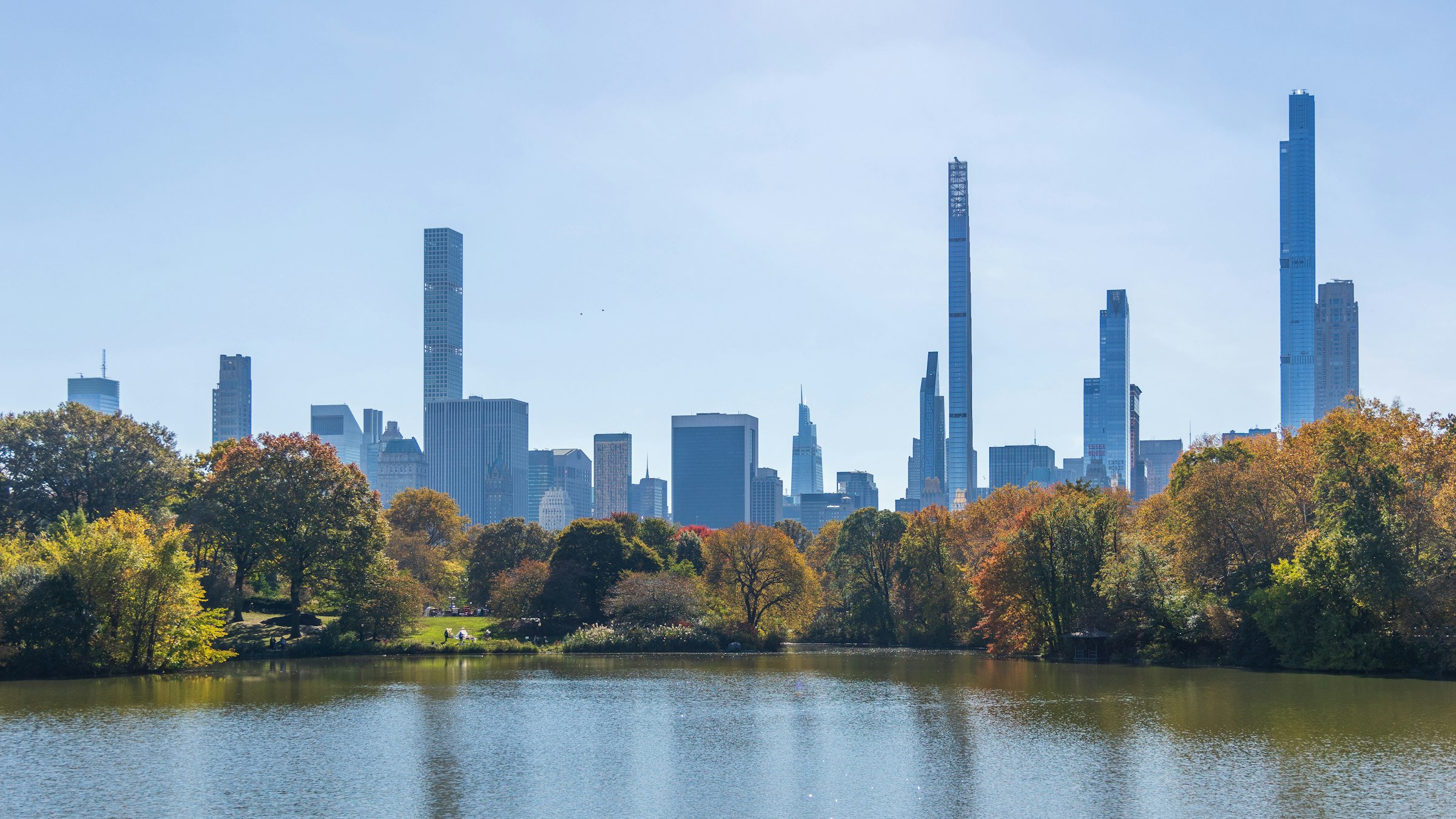
Five boroughs and five bridges, from the Verrazzano to Central Park.