Men’s course record
2:03:42
Wilson Kipsang · 2011
- Average pace
- 2:56 / km
- Terrain-adjusted
- +0.08 %
Europe15
Americas6
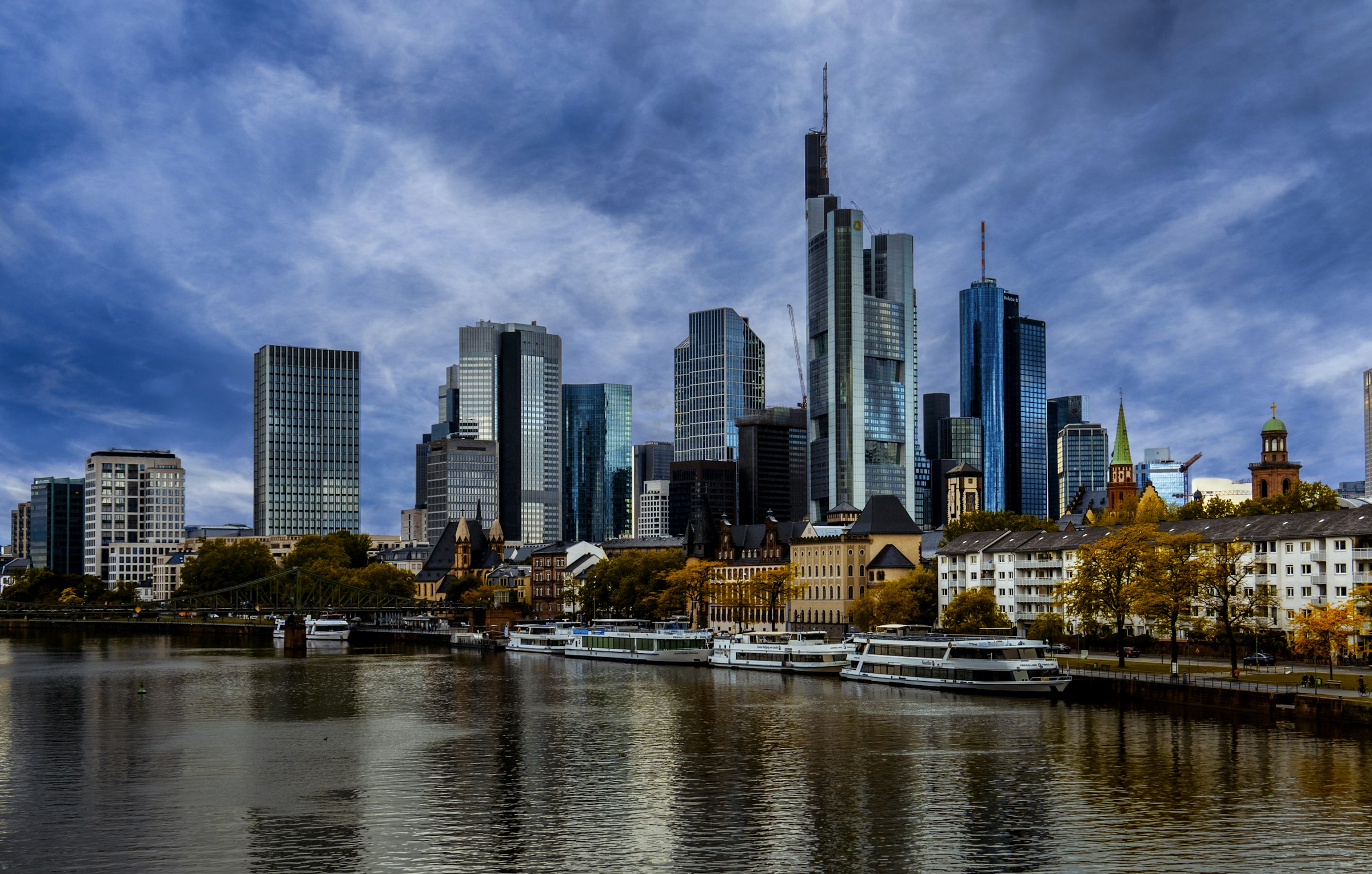
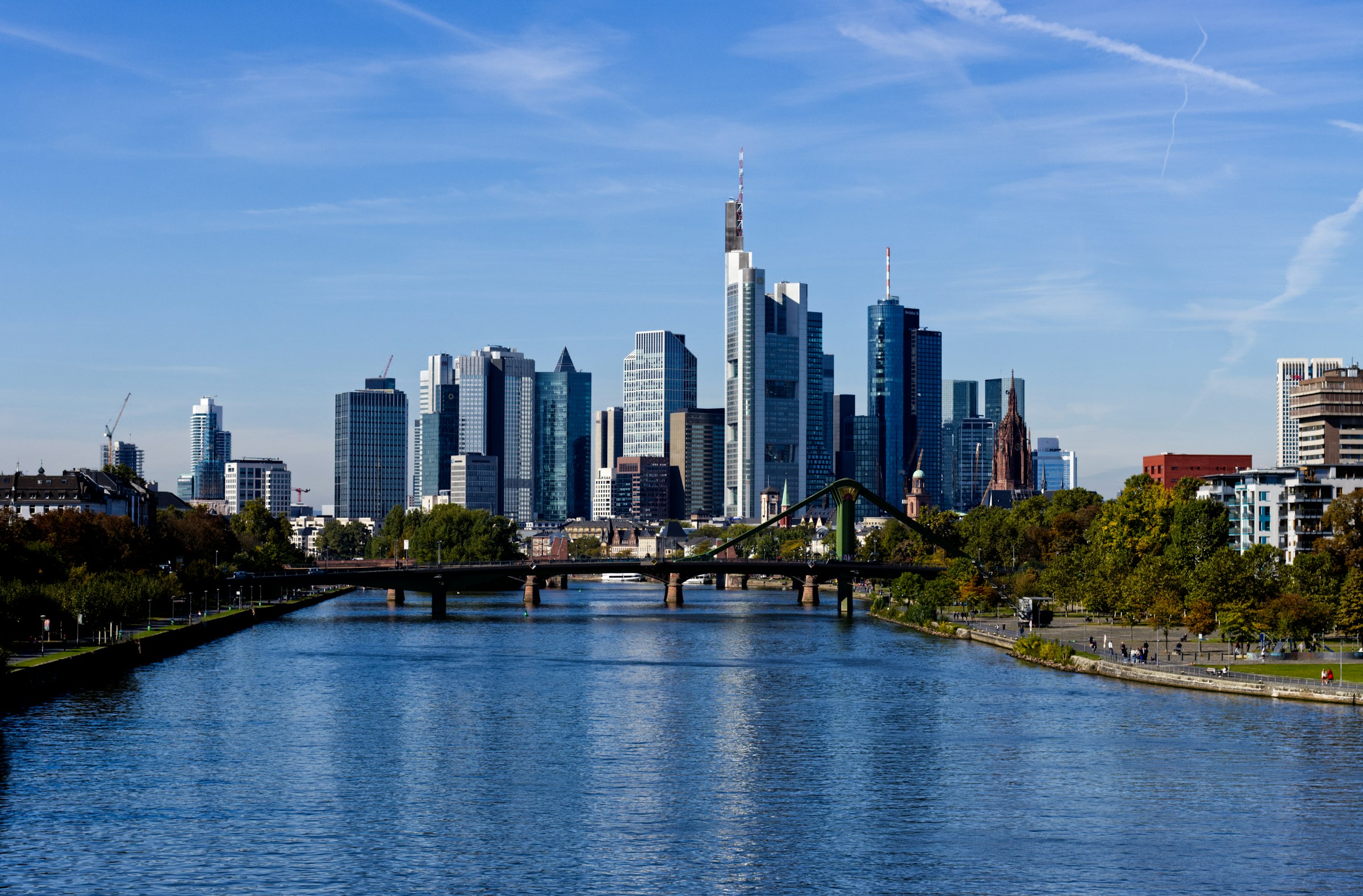
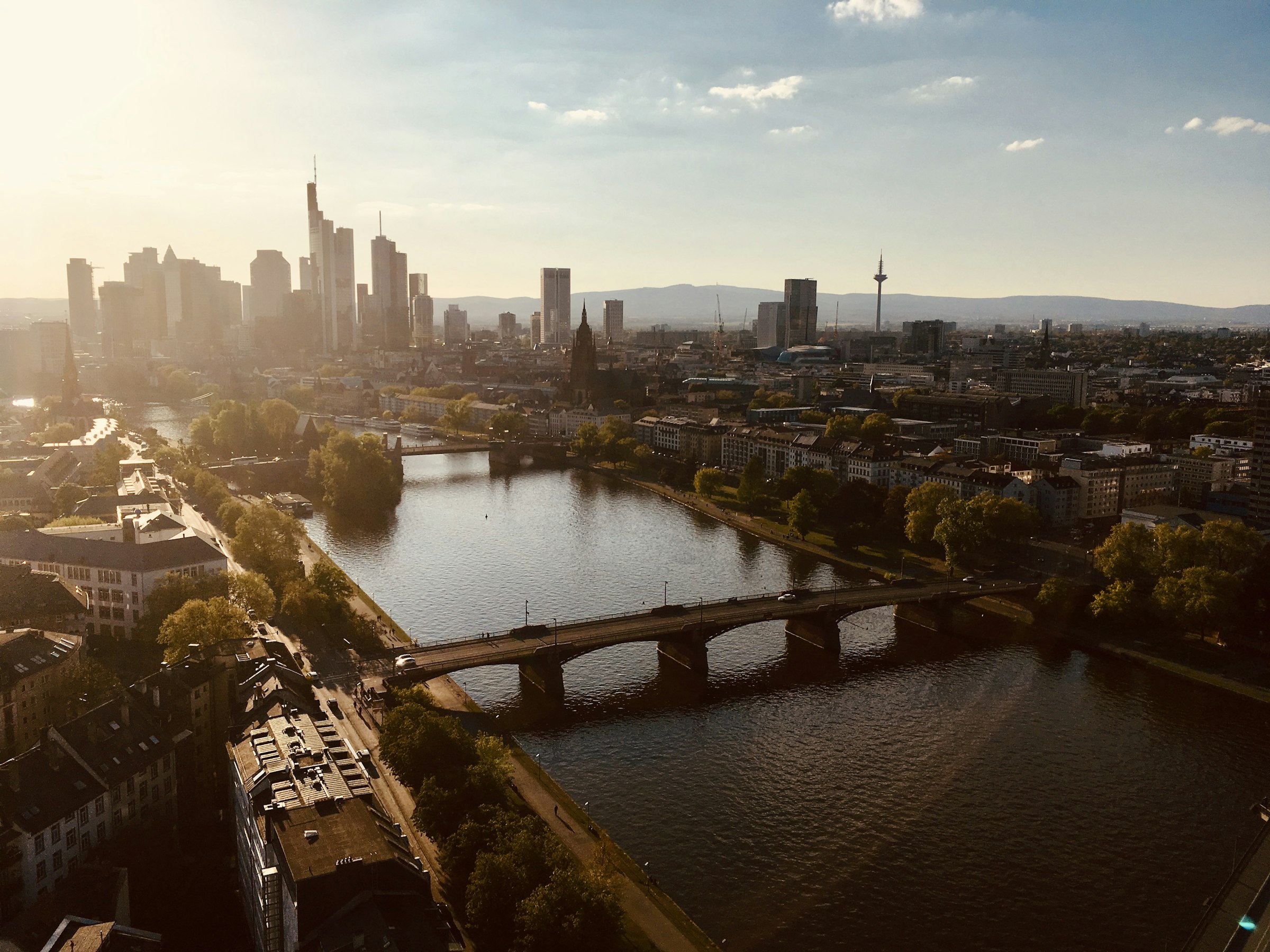
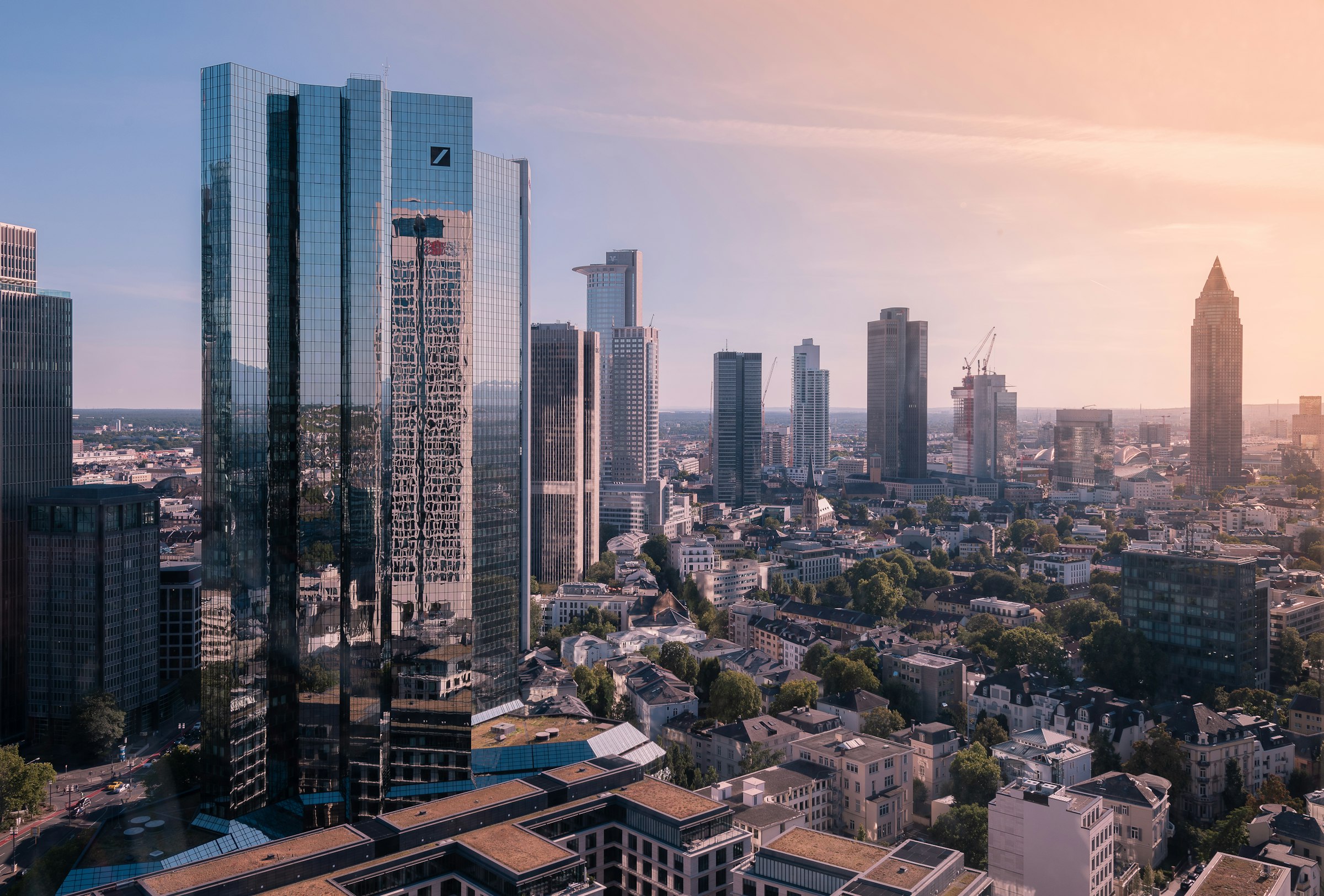
Frankfurt, Germany The last Sunday in October Founded 1981
Twice across the Main and out to Höchst, then home to a red carpet inside the Festhalle.
Marathon Course · every marathon course, measured the same way
Frankfurt Marathon
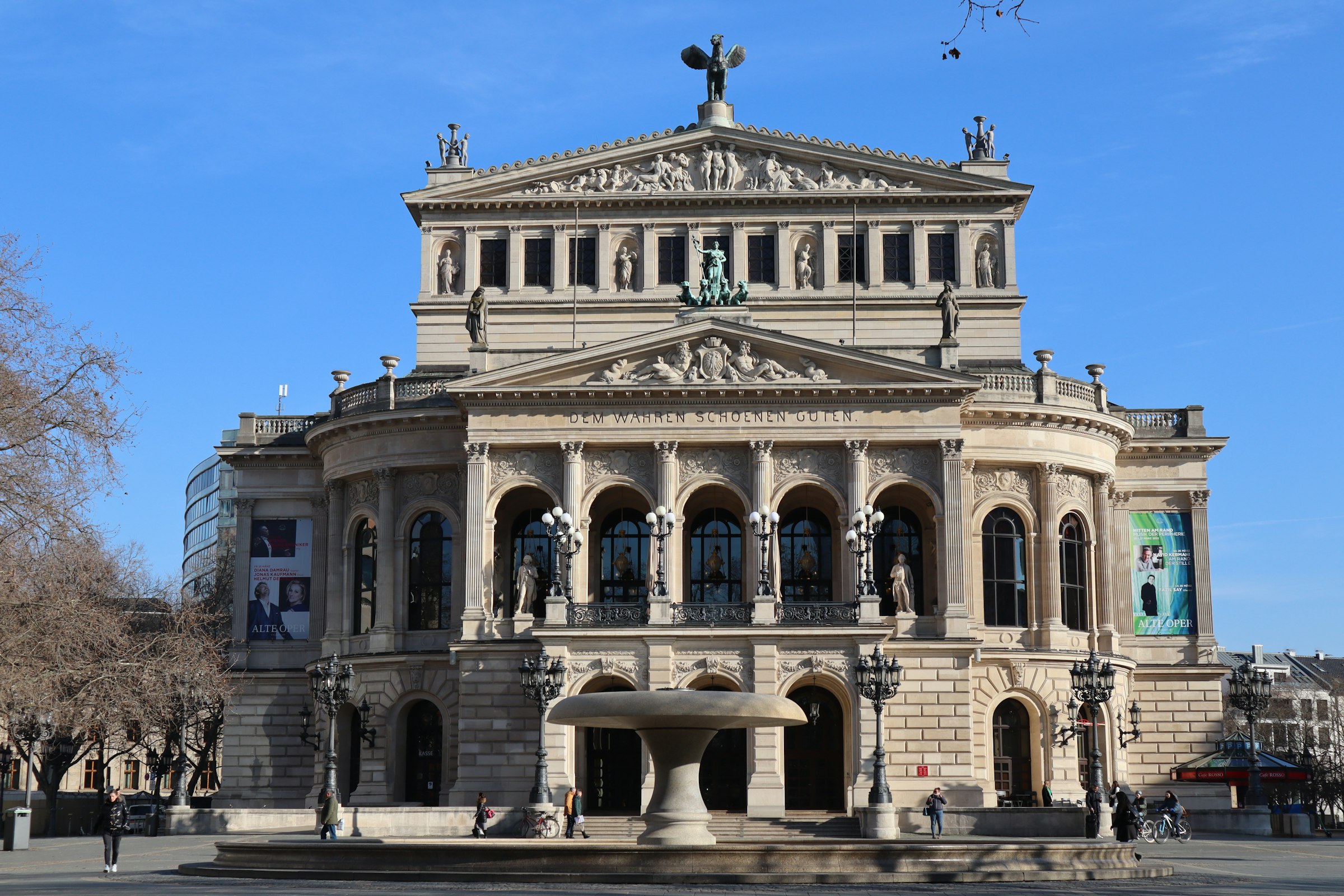
Twice across the Main and out to Höchst, then home to a red carpet inside the Festhalle. Messeturm → Festhalle, Frankfurt am Main, Germany.
Elevation · measured on the course line published for the 2024 edition · Sonny 1" .hgt tiles — CC BY 4.0 · smoothed 100 m 93–118 m
—
0.08.416.825.233.642.1
kmmi — elev — grade — hover or drag the profile
The profile has one hill, and it comes early. The first 13.0 km loop through the city centre, and the ground rises to the north of it. At 9.2 km the course climbs 16 m in a kilometre, the steepest of the race, to its high point: 118 m at 10.2 km. Then it gives almost all of it straight back, 15 m lost in the next kilometre.
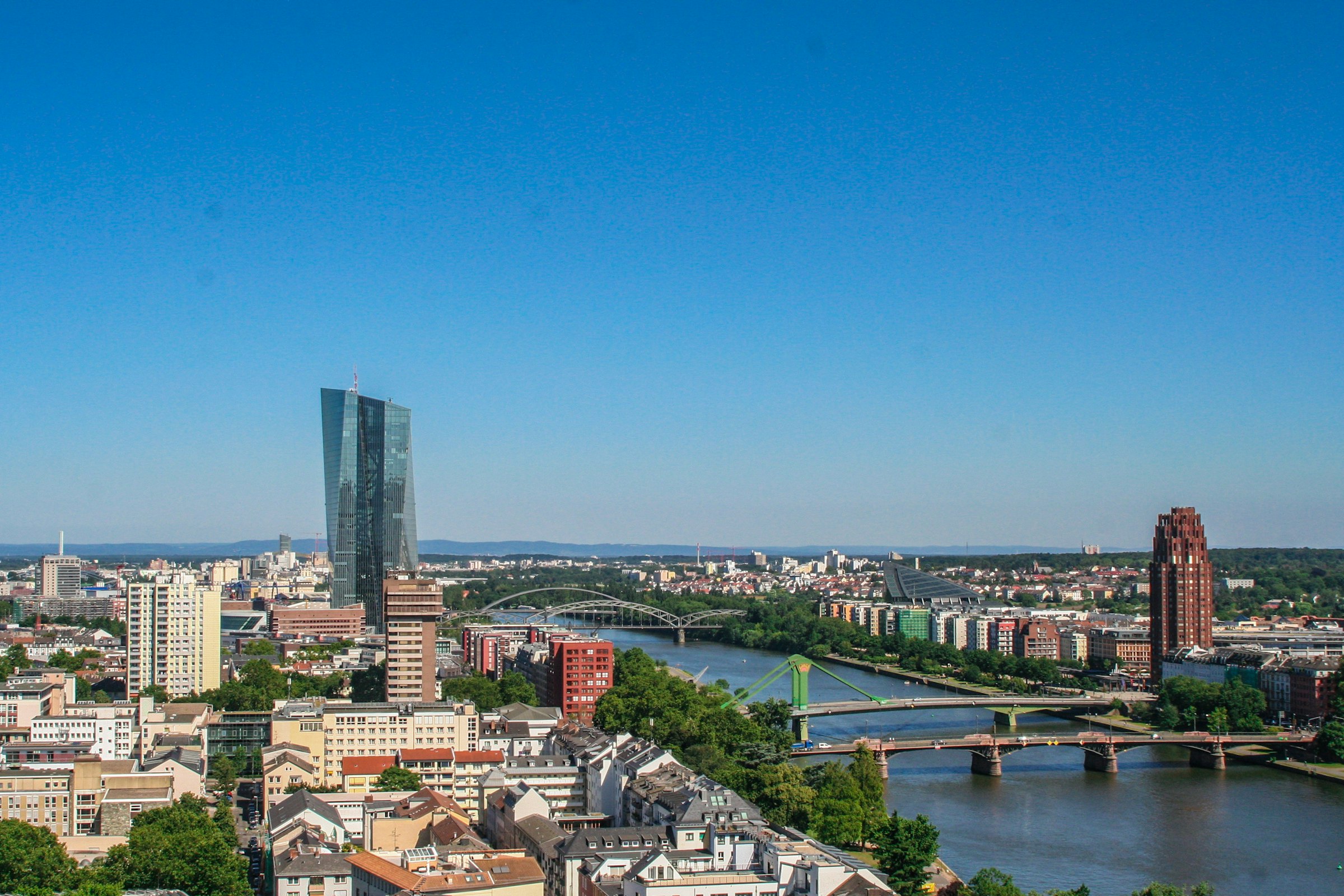
After the Alte Brücke at 13.2 km the course is flat. For 24.0 km, out along the Main to Höchst and back along Mainzer Landstraße, it stays between 93 m and 100 m. The low point, 93 m at 28.2 km, is the Nidda valley at Nied.
The chart draws the crossings of the Main at 13.2 km and 24.0 km as straight lines between the banks, because the elevation model reads the river under a bridge instead of the deck. The organiser calls the Schwanheimer Brücke the one notable climb on the course, and it's steeper than it looks here. The finish is back where it started: 98 m, less than a metre above the start line. Add up the energy cost of every gradient and the course comes out about level with a flat 42.195 km.
Take it with you
Course GPX Organiser's course map
The GPX is ours: our resampled line, a point every 25 m, carrying Sonny 1" .hgt tiles — CC BY 4.0 elevation rather than the GPS noise a watch file usually holds.
Sonny 1" .hgt tiles — CC BY 4.0, measured on the course line published for the 2024 edition, smoothed 100 m · marathoncourse.com/marathons/frankfurt/ · checked 2026-09-24
1990200020102020
Pace is derived from the certified distance. Terrain-adjusted figures come from the same model that ranks every course on this site.
Men’s course record
2:03:42
Wilson Kipsang · 2011
Women’s course record
2:17:25
Hawi Feysa · 2024
The morning, hour by hour
The organiser's 2026 race conditions. Times are CET: the clocks go back that morning. No intermediate cut-offs are published. The time limit is six hours net and the finish closes at 4:45pm. The organiser's 2024 split sheet put the last runner at km 21 around 1:40pm and at km 40 around 4:25pm; return buses and a sweeper vehicle follow the field.
Race-day mean temperature, 1995-2025. Lime marks the hottest edition; the coldest and wettest carry a label only, so the colour still means one thing.
Very nearly. It climbs 96 m in all, and most of the shape is one hill in the first 13.0 km, where the course rises 16 m in a kilometre to its high point, 118 m, and drops straight back. After the Alte Brücke the next 24.0 km stay within about 7 m. The whole course sits within a range of 25 m.
Sonny's LiDAR DTM of Europe, sampled every 25 m, smoothed over 100 m. Raw-to-smoothed ratio 1.73.
You run off the street through a gate into the Festhalle, the Messe's domed exhibition hall, and finish on a red carpet sixty metres inside, in front of seats for about 7,000. It's been the finish since 2003, and spectators get in free.
The organiser's runner information.
Because the race is held on the last Sunday of October, which is always the day European summer time ends. The clocks go back at 3:00am, so the 10:00am start is CET, an hour later by your body clock than the same time the day before. Set an alarm you trust.
The organiser's race conditions; EU summer time ends on the last Sunday in October.
Not directly: the race sold out on 30 August, and the organiser runs a waitlist. Transfers between runners close on 4 October. A relay team of four is another way onto the course, on the same route and to the same finish.
The organiser's entry pages, checked September 2026.
Yes. Wilson Kipsang ran 2:03:42 here in 2011, and Hawi Feysa ran 2:17:25 in 2024. The course has one early hill and a long flat middle, and it finishes within a metre of the start's height. What slows Frankfurt is wind, not ground: 2025's race was held back by it.
Race results; this site's course line.
Yes. The course finishes less than a metre above where it starts, and its start and finish are 133 m apart, so it passes both World Athletics tests with room to spare.
World Athletics Competition Rule 31.21, and this site's measurements.
It rises with the order you enter in. For 2026 the first thousand race numbers cost €111, and the next tiers €126, €136 and €146. Everything after number 9,500 cost €156. Registration opened on the day of the 2025 race, so entering early for 2027 is also entering cheaply.
The organiser's fee page for 2026.
More than 18,500 had registered when the 2026 race sold out on 30 August. Not everyone who enters starts: in 2025, 17,058 entered, 12,642 started and 12,320 finished.
Organiser figures for the 2026 edition.
About 12.3 °C during a typical race: that's the median across 29 years, which have run from 4.3 °C to 17.8 °C. 5 of the 29 were wet.
ERA5 reanalysis for the race date, 1995-2025.
Yes. As a World Athletics label race it runs on a measured course, and it finishes less than a metre above where it starts, so the B.A.A.'s downhill adjustment, which begins at 1,500 ft of net loss, has nothing to act on. There's one hill, and it's early, then a long flat middle. The start is late enough, at 10:00am, that you can eat breakfast at a normal hour.
Net drop +1 m from this site's course line; 2027 adjustment None. Certification unconfirmed: A World Athletics label race for many years, first as an IAAF Gold Label in 2008; its 2026 label is not confirmed here.
It comes from Sonny 1" .hgt tiles — CC BY 4.0, sampled every 25 m along the course line and smoothed over 100 m. The raw-to-smoothed ratio here is 1.73. Around 1.3 means the model is reading the ground, not rooftops; above about 2.0 the total climb carries real noise, and the net change is the sturdier number.
0 missing samples · 4 bridge spans corrected.
| Fact | Source | Verified |
|---|---|---|
| Course line | Third-party GPX for the 2024 edition. The organiser's kilometre-by-street lists for 2024 and 2025 are identical, and no change has been announced for 2026, whose map is not yet published. The file measures 42.335 km, 0.33 % long, from 709 points; our resampled line measures 42.062 km. Archived with its hash in data/raw/sources. | 2026-09-24 |
| Elevation | Sonny's LiDAR DTM of Europe (CC BY 4.0), sampled every 25 m, smoothed over 100 m. Raw-to-smoothed gain ratio 1.73. Four spans the model read from underneath were straightened between their ends, including both crossings of the Main. That removes a false dive to the water, but a bridge deck arches above a straight line, so the climb onto the Schwanheimer Brücke at 24 km — the one the organiser singles out — is drawn flatter here than it runs. | 2026-09-24 |
| Elevation, independent check | The organiser publishes the relief but no climb figure: 89.4 m to 117.2 m, a range of 27.8 m. We measure 92.7 m to 117.8 m, a range of 25.1 m. The high points agree to within a metre; the low points differ mainly because our line crosses the river on straightened bridges rather than at water level. | 2026-09-24 |
| Race-day weather | ERA5 reanalysis via the Open-Meteo archive, 1995–2025 at the Messe start, 10:00–16:00 local, sampled on the last Sunday in October. 2020 and 2021, when there was no race, are excluded. | 2026-09-24 |
| Course records | Wilson Kipsang 2:03:42 (2011) and Hawi Feysa 2:17:25 (2024), checked against the 2025 results, which broke neither. The organiser's English information page still lists an older women's record. | 2026-09-24 |
| Entry and field | Fees €111–156 by order of entry, €166 for late entry; sold out 30 August 2026 with more than 18,500 registered. In 2025, 17,058 entered, 12,642 started and 12,320 finished, from the organiser's results magazine. | 2026-09-24 |
| Race day | The organiser's 2026 race conditions: first wave 10:00am, all runners across the line by 10:35, finish closing 4:45pm with six hours net. Refreshment points and transport are from the 2025 runner information, as the 2026 edition is not yet published. | 2026-09-24 |
| Record eligibility | World Athletics Competition Rules, Book C, Part III — Competition Rule 31.21: a record course may lose no more than 1 m per kilometre, and its start and finish may be no more than 21.098 km apart. Frankfurt gains 0.6 m overall and its start and finish are 133 m apart. Inside both. | 2026-09-24 |
Until the Frankfurt Marathon · 25 Oct 2026
— days
— hrs— min— sec
Dublin, Ireland · 25 Oct 2026
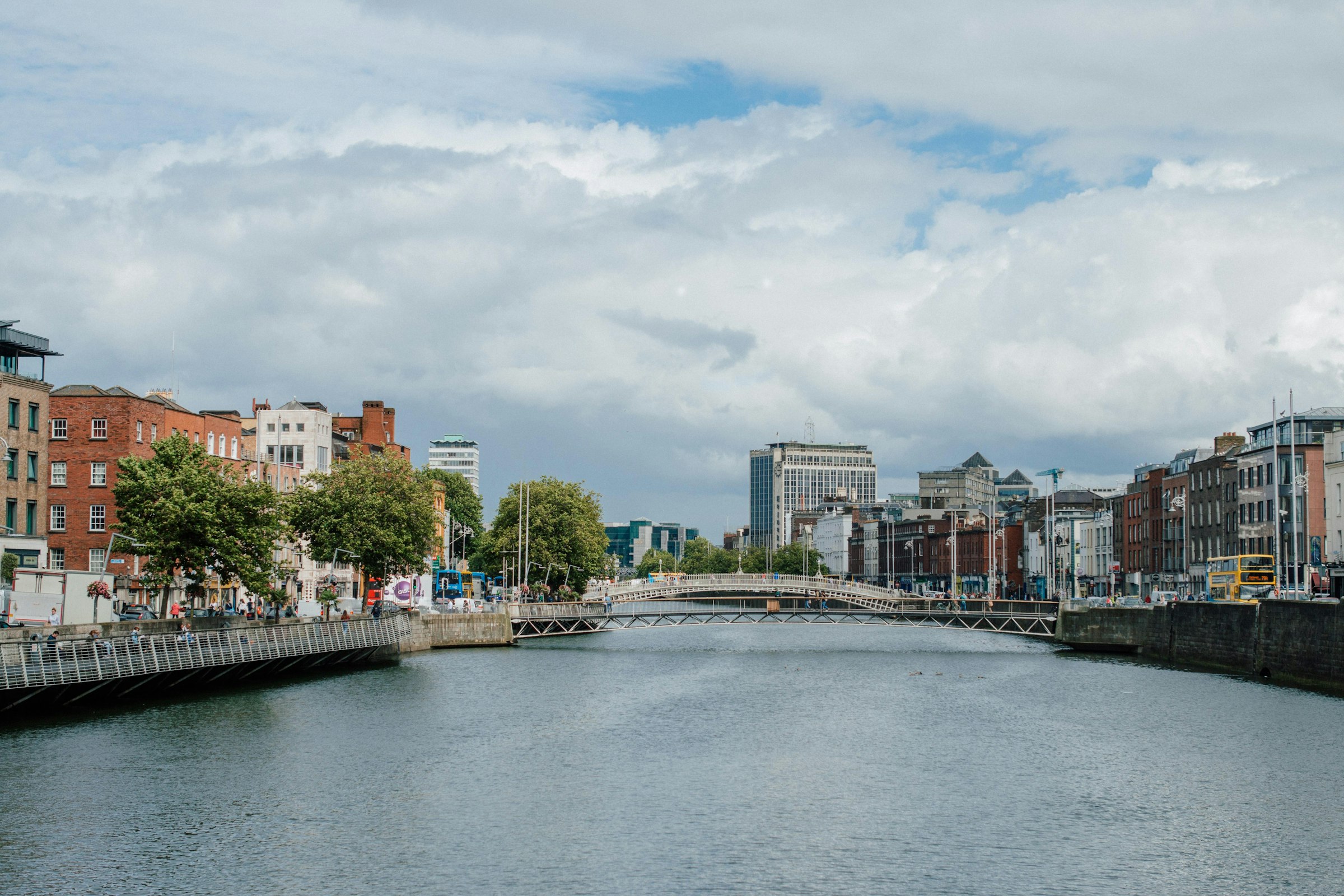
The bank-holiday marathon: out through Phoenix Park, round the southern suburbs, and home past the Georgian squares.
New York, USA · 1 Nov 2026
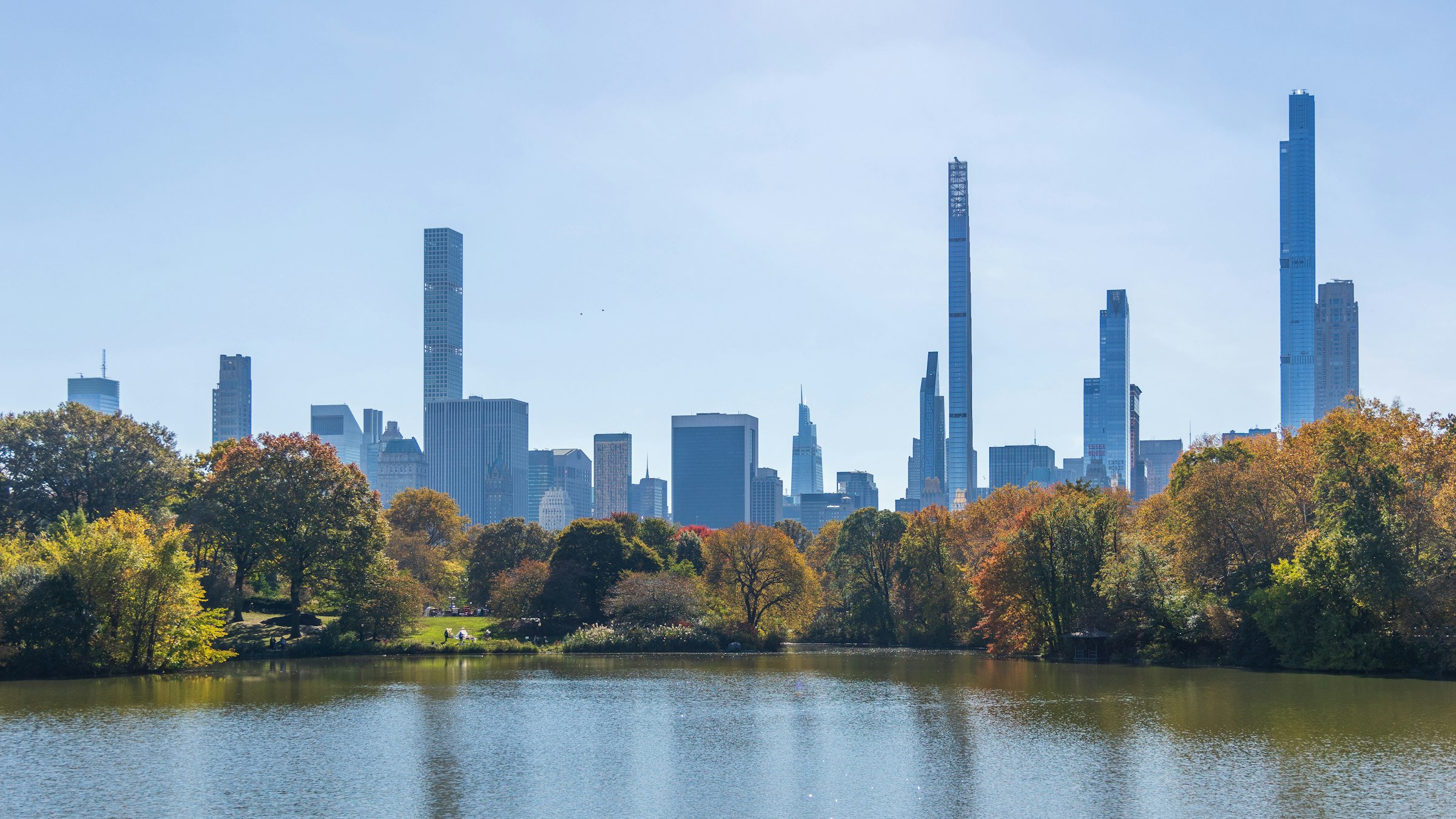
Five boroughs and five bridges, from the Verrazzano to Central Park.
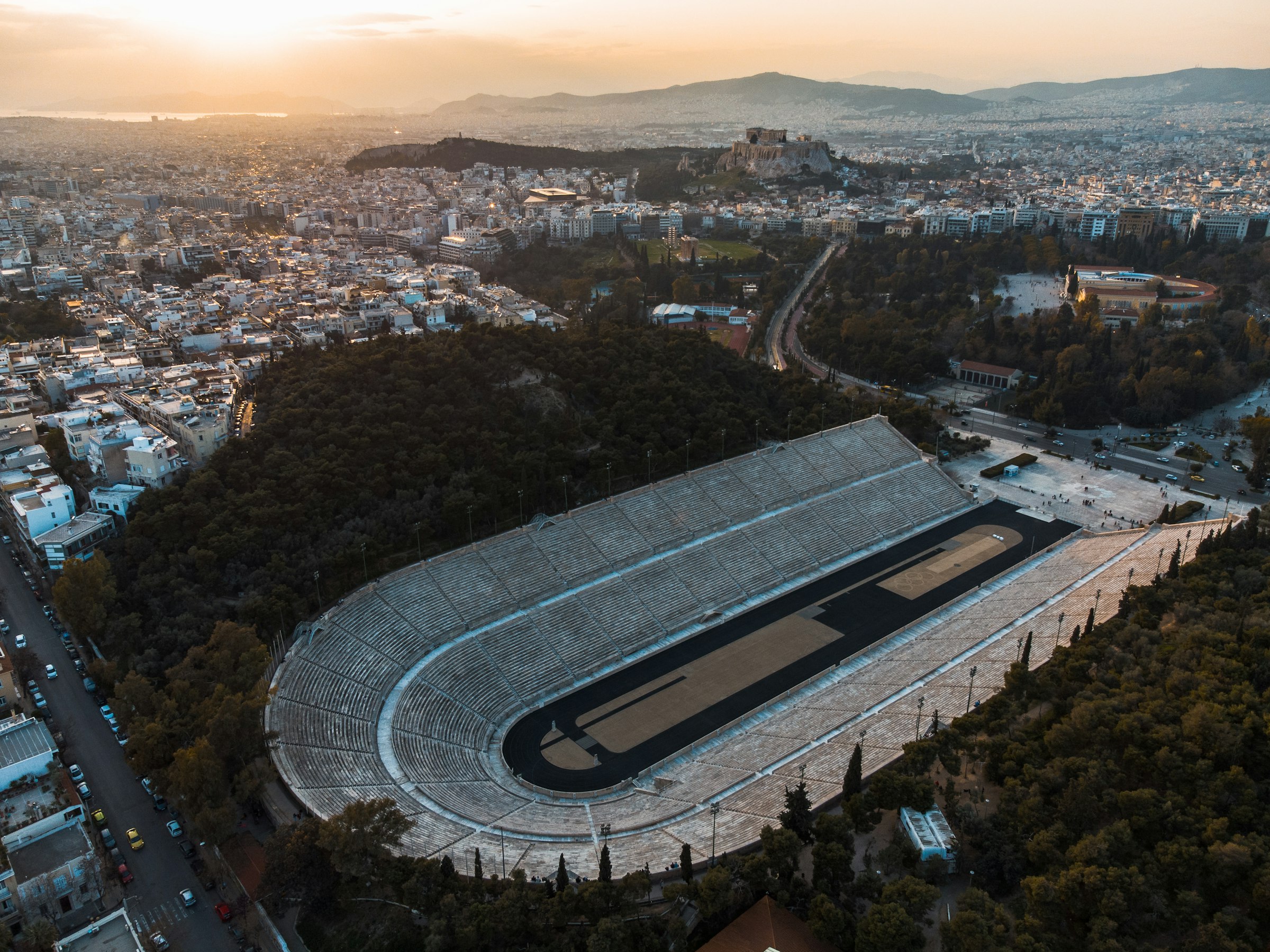
Athens, Greece · 8 Nov 2026
Round the burial mound at Marathon, south through Nea Makri, then a long climb inland and down into Athens to finish in the marble stadium of 1896.