Men’s course record
2:04:58
Tamirat Tola · 2023
- Average pace
- 2:58 / km
- Terrain-adjusted
- +0.21 %
Europe15
Americas6
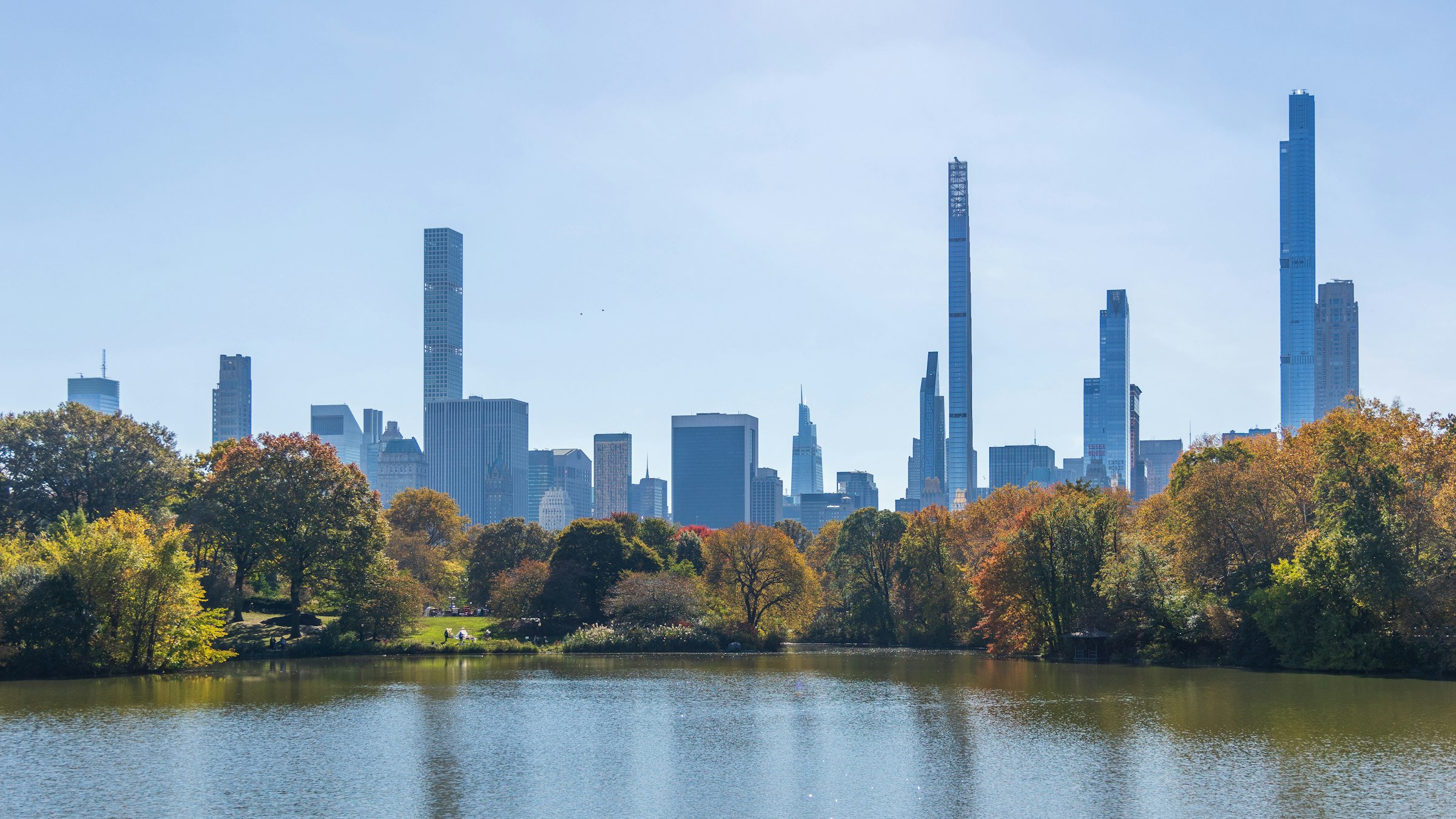
New York, USA The first Sunday in November Founded 1970
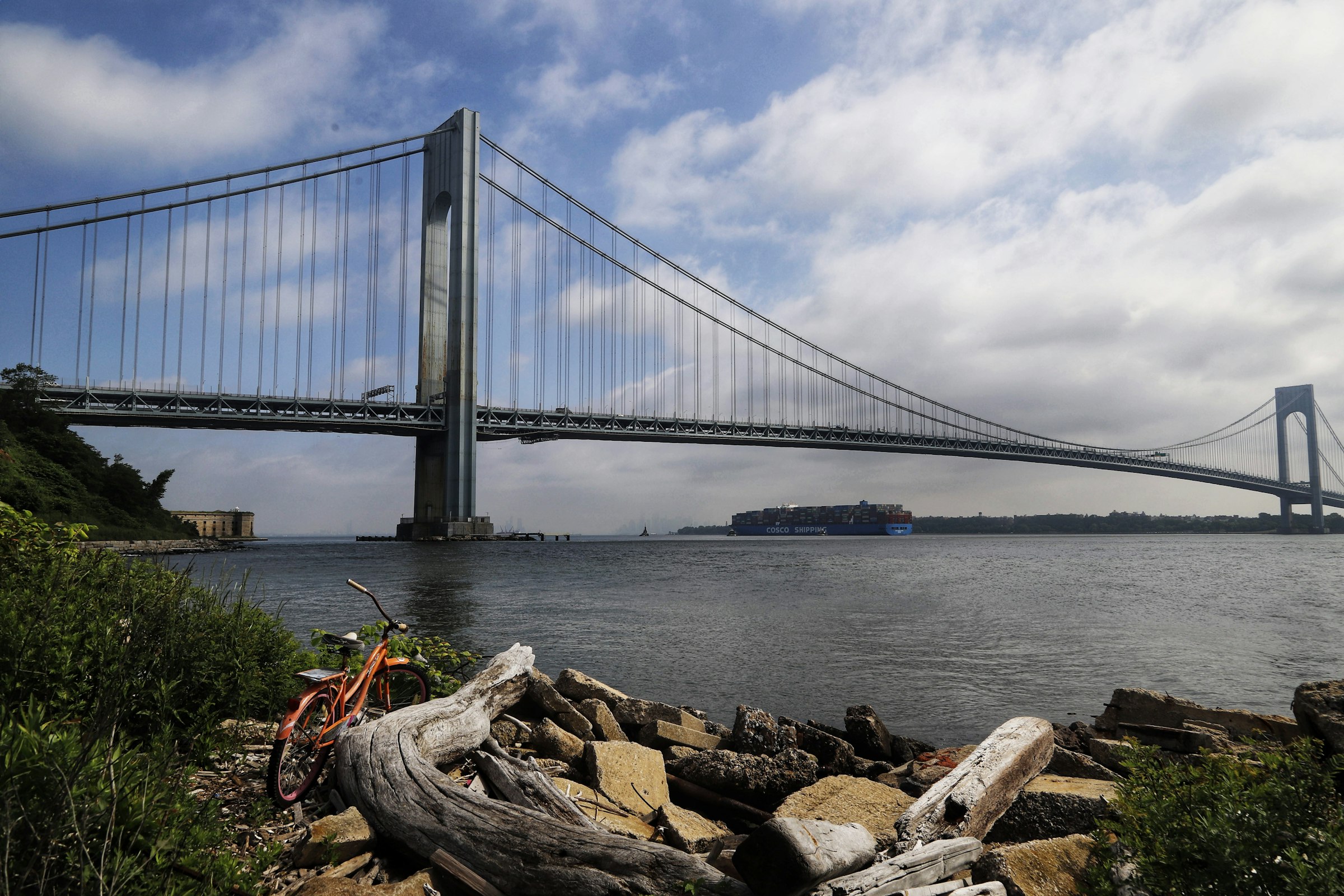
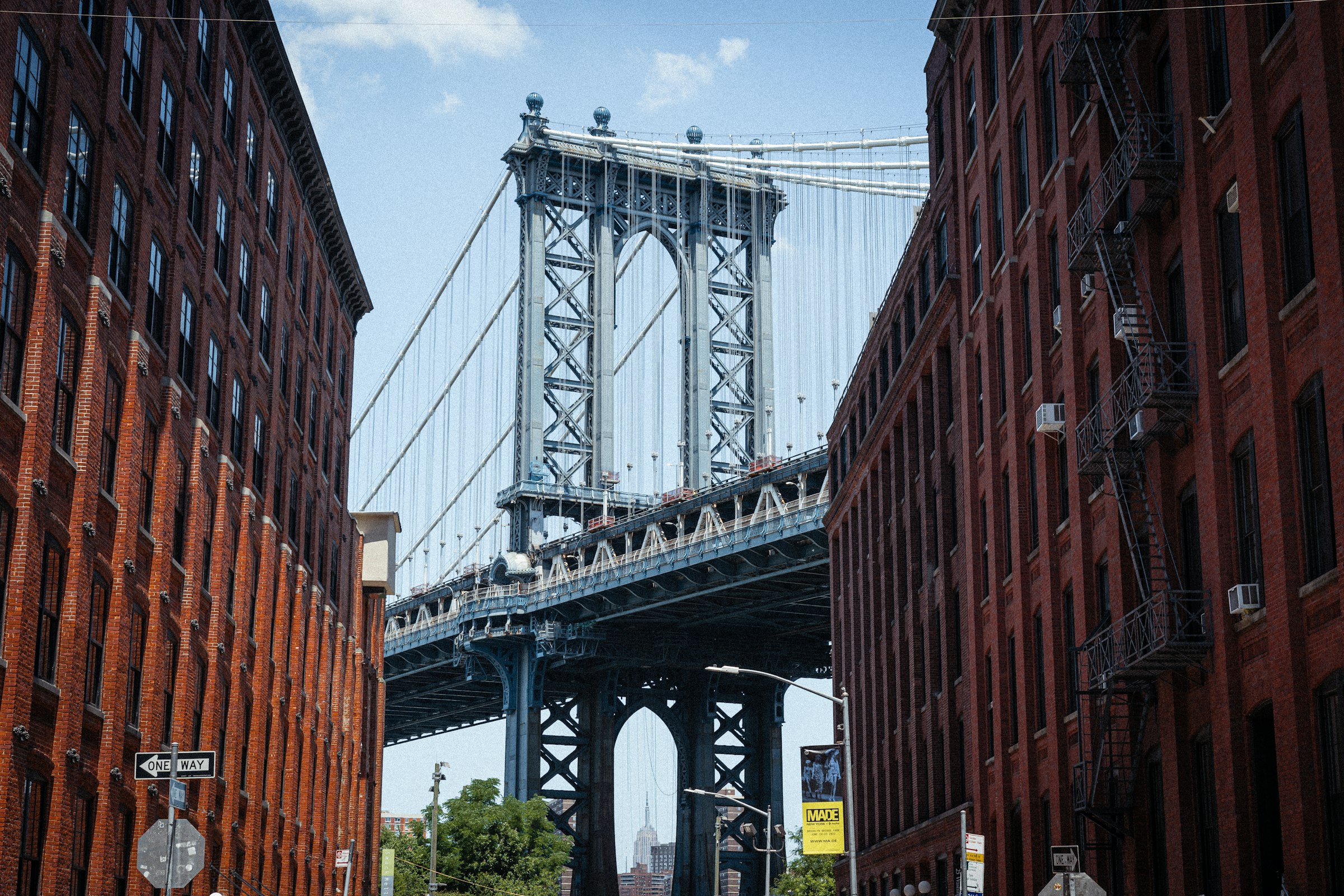
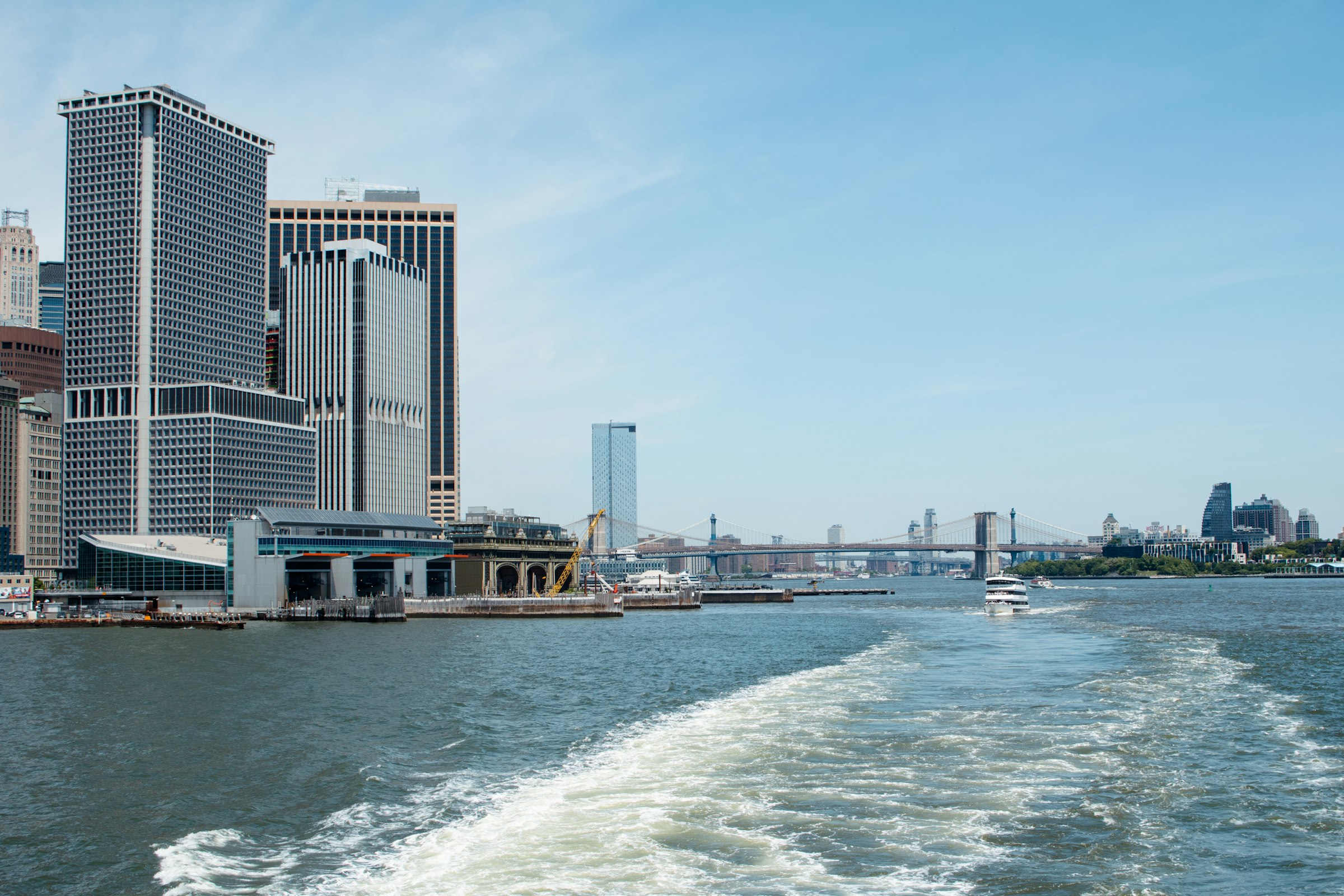
Five boroughs and five bridges, from the Verrazzano to Central Park.
Marathon Course · every marathon course, measured the same way
New York City Marathon
Five boroughs and five bridges, from the Verrazzano to Central Park. Fort Wadsworth, Staten Island → Central Park, Manhattan, New York, USA.
Elevation · a third-party trace of the 2025 edition, with its eight bridge spans rewritten · USGS NED 10 m · smoothed 100 m 2–71 m
—
0.08.517.025.534.042.4
kmmi — elev — grade — hover or drag the profile
The shape comes from five bridges. The start is already 42 m up, on the lower and upper decks of the Verrazzano-Narrows. The course tops out at 71 m at 1.3 km, then falls 44 m in the kilometre from 2.0 km into Brooklyn. That's the fastest ground on the course, and the easiest place to spend a race you haven't run yet.
From there to 20.0 km it's close to level: three 5 km splits, none of them changing by more than 6 m. The lowest point of the race is at 22.3 km, and the climb that follows is the real one. The Queensboro Bridge gains 33 m from 23.5 km, the steepest climbing kilometre of the race, and lands you where the race turns into Manhattan.
First Avenue runs down 36 m between 25.0 km and 30.0 km. Then it tilts back: the Willis Avenue and Madison Avenue bridges through the Bronx, then a steady 16 m of rise along Fifth Avenue from 35.0 km to the park. Add up the energy cost of every gradient and, for a three-hour runner, the course comes out about 24 seconds slower than a flat 42.195 km (0.21 %).
Take it with you
Course GPX Organiser's course map
The GPX is ours: our resampled line, a point every 25 m, carrying USGS NED 10 m elevation rather than the GPS noise a watch file usually holds.
USGS NED 10 m, a third-party trace of the 2025 edition, with its eight bridge spans rewritten, smoothed 100 m · marathoncourse.com/marathons/newyork/ · checked 2026-09-23

197019801990200020102020
Pace is derived from the certified distance. Terrain-adjusted figures come from the same model that ranks every course on this site.
Men’s course record
2:04:58
Tamirat Tola · 2023
Women’s course record
2:19:51
Hellen Obiri · 2025
The morning, hour by hour
The 2025 schedule. NYRR hasn't published 2026 wave times yet.
Race-day mean temperature, 1995-2025. Lime marks the hottest edition; the coldest and wettest carry a label only, so the colour still means one thing.
It has no hills in the ordinary sense. Its climbs are bridges, and they're badly placed. It climbs 260 m and descends 276 m, finishing 16 m below the start, which is almost flat on paper. But the steepest climbing kilometre, 33 m up the Queensboro Bridge, comes at 23.5 km, and the course rises 19 m over the last 7.0 km along Fifth Avenue.
USGS NED 10 m lidar, sampled every 25 m, smoothed over 100 m. Eight bridge spans are rewritten because a bare-earth model reads the water under a bridge, not the deck the runner is on. The Verrazzano-Narrows, Queensboro, Pulaski, Willis Avenue and Madison Avenue decks are modelled from navigational clearance, which is measured to the underside of a span and sits below the roadway, and two short spans are interpolated. The climb figure is less settled than on a course without bridges.
Yes, though one of the two geometry tests is close. A record course can lose at most a metre per kilometre, and New York loses 16 m in total, or 0.37. Its start and finish must be within 21.1 km; Fort Wadsworth and Central Park are 20.3 km apart, inside the limit by under a kilometre. That margin is 4 % of the limit, and it's measured between the ends of a third-party trace rather than the certified start and finish lines, so it's inside with room but not good to the metre.
Fort Wadsworth to Central Park along the course line, tested against World Athletics Competition Rules Part III.
About one in a hundred through the drawing, and falling. The 2026 drawing took more than 240,000 applications from over 160 countries. That was up nearly 20 % on 2025, and around one per cent got in, the lowest rate in the race's history. Applicants are drawn in three pools, so a New York metro resident, a US resident elsewhere and an international runner aren't competing against each other. The routes that don't depend on luck are a qualifying time, the 9+1 programme, a charity place or a tour operator package.
New York Road Runners drawing-day press release, March 2026.
The kilometre from 23.5 km, up the Queensboro Bridge. It's the steepest climbing kilometre on the course, 33 m, and it comes just past halfway. The bridge is closed to the public, so it's also the one stretch of the race with no spectators. You come off it onto First Avenue and into the crowds.
Derived from this site's elevation profile: steepest continuous kilometre, measured every 25 m.
Very nearly the biggest there's ever been. 59,226 people finished in 2025, the largest marathon ever run until London put 59,830 through the same barrier in April 2026. The two have now traded the record three times in two years. That's why race morning in New York is a ferry-and-bus operation starting before dawn, for a race some runners don't begin until 11:30am.
Organiser figures for the 2025 edition; London's 59,830 from London Marathon Events, April 2026.
More than 59,226 took a marathon place in 2025. The ballot drew more than 240,000 applications.
Organiser figures for the 2025 edition.
About 10 °C during a typical race: that's the median across 29 years, which have run from 5.3 °C to 22 °C. 2 of the 29 were wet.
ERA5 reanalysis for the race date, 1995-2025.
Yes, at face value. The course is certified, and its net drop of 16 m is nowhere near the 1,500 ft at which the B.A.A. adds five minutes to a qualifying time. Whether you'll run a qualifying time here is another question. The bridges come at the wrong moments, and the last 7.0 km climb.
Net drop −16 m from this site's course line; 2027 adjustment None. Certification certified: USATF-certified and World Athletics Platinum Label; eligible for records on both geometry tests.
It comes from USGS NED 10 m, sampled every 25 m along the course line and smoothed over 100 m. The raw-to-smoothed ratio here is 1.27. Around 1.3 means the model is reading the ground, not rooftops; above about 2.0 the total climb carries real noise, and the net change is the sturdier number.
0 missing samples · 8 bridge spans corrected.
| Fact | Source | Verified |
|---|---|---|
| Course line | Third-party GPX published for the 2025 edition, validated against the certified 42.195 km (measured 42.608 km, 0.98 % long, from a file with only 455 points). Archived with its hash in data/raw/sources. | 2026-09-20 |
| Elevation | USGS NED 10 m lidar via OpenTopoData, sampled every 25 m, smoothed over 100 m. Raw-to-smoothed gain ratio 1.27. Eight bridge spans are corrected because a bare-earth model reads the water under a bridge rather than the deck: five of them — the Verrazzano-Narrows, Queensboro, Pulaski, Willis Avenue and Madison Avenue — are modelled from navigational clearance, which is measured to the underside of a span, so those heights are floors. Runners also cross the Verrazzano on two different decks. | 2026-09-20 |
| Race-day weather | ERA5 reanalysis via the Open-Meteo archive, the first Sunday in November 1995–2025 at the Fort Wadsworth start, 08:00–18:00 local. | 2026-09-23 |
| Course records and history | Tola 2:04:58 (2023); Obiri 2:19:51 (2025). Founding, the 1976 five-borough change, and the 59,226 finishers of 2025 — the largest marathon ever run until London's 59,830 in April 2026. The finisher count comes from New York Road Runners (31,927 men, 27,156 women, 143 non-binary); the Wikipedia lead sentence says 59,135 and its own footnote contradicts it. | 2026-09-23 |
| Drawing numbers | New York Road Runners: more than 240,000 applications from over 160 countries for the 2026 drawing, a near-20 % rise on 2025, with about one per cent accepted. | 2026-09-23 |
| Entry fees | US$269.66 for NYRR members and US$333.11 for non-members, 2026, from secondary reporting — the organiser's entry pages sit behind a queue. | 2026-09-23 |
| Start times and cut-off | 2025 schedule: first start 8:00am (professional men's wheelchair), professional women 8:35am, professional men 9:05am, last wave about 11:30am. The 2026 schedule is not published. Cut-off figures in circulation conflict and none could be confirmed: nyrr.org sits behind a Queue-it waiting room that blocks automated reads. | 2026-09-23 |
| Record eligibility | World Athletics Competition Rules, Book C, Part III — Competition Rule 31.21: a record course may lose no more than 1 m per kilometre, and its start and finish may be no more than 21.098 km apart. New York loses 15.6 m and separates by 20.25 km — inside both, the second by about 800 m. | 2026-09-23 |
| Entry routes and drawing dates | Applications 4–25 February 2026, drawing 4 March, three pools (New York metro, other US, international). Time qualifiers limited to the top 10 % of non-NYRR applicants for 2026. 9+1 becomes a member drawing with a US$99 passholder fee from 2027 — announced 6 August 2026, first drawing 17–29 September 2026. Re-check after 1 October 2026. | 2026-09-23 |
| Founding and the five-borough change | 1970 first edition organised by Fred Lebow and Vincent Chiappetta. The 1976 five-borough course came from Ted Corbitt's inter-borough proposal, George Spitz's campaign and Percy Sutton's backing and Verrazzano suggestion. Grete Waitz's 1978 debut was a women's world record. | 2026-09-23 |
Until the New York City Marathon · 1 Nov 2026
— days
— hrs— min— sec
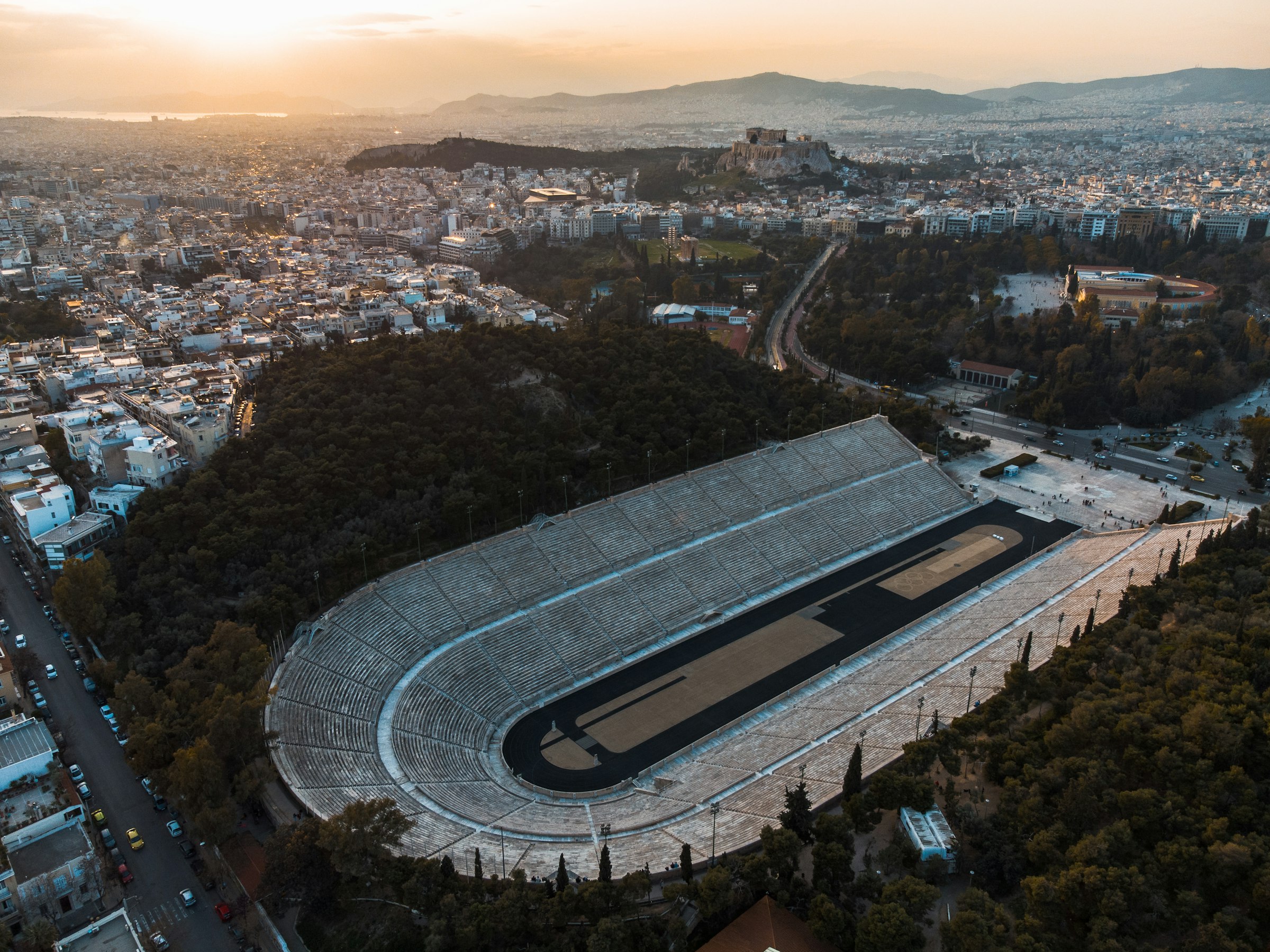
Athens, Greece · 8 Nov 2026
Round the burial mound at Marathon, south through Nea Makri, then a long climb inland and down into Athens to finish in the marble stadium of 1896.

Queenstown, New Zealand · 14 Nov 2026
Seventy percent hard-packed trail, between the Crown Range and the Remarkables, and no ballot to get in.
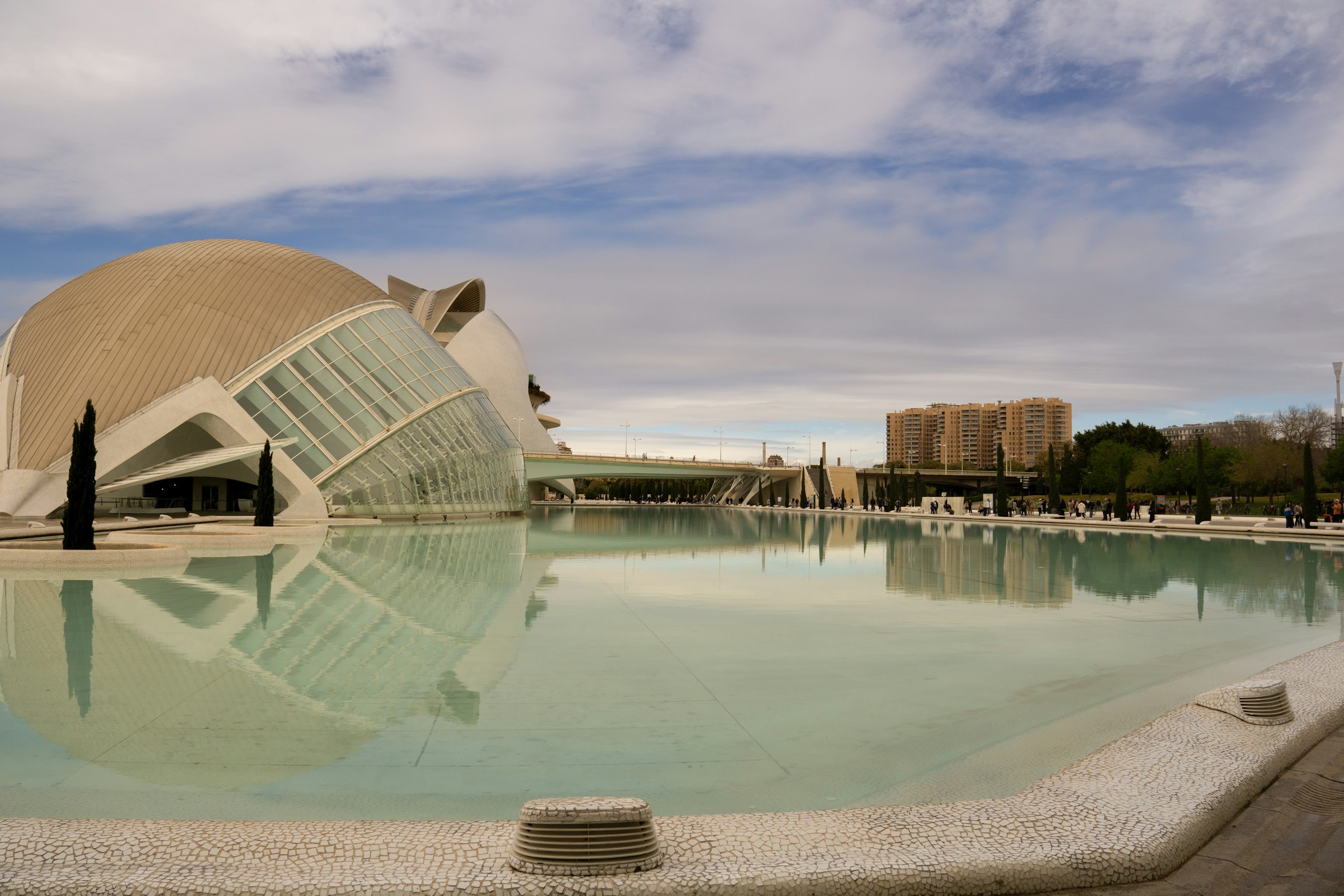
Valencia, Spain · 6 Dec 2026
Out to the port, round the old city and home along the Turia gardens, to a finish laid over the water.