Men’s course record
2:02:16
Benson Kipruto · 2024
- Average pace
- 2:54 / km
- Terrain-adjusted
- −0.42 %
Europe15
Americas6
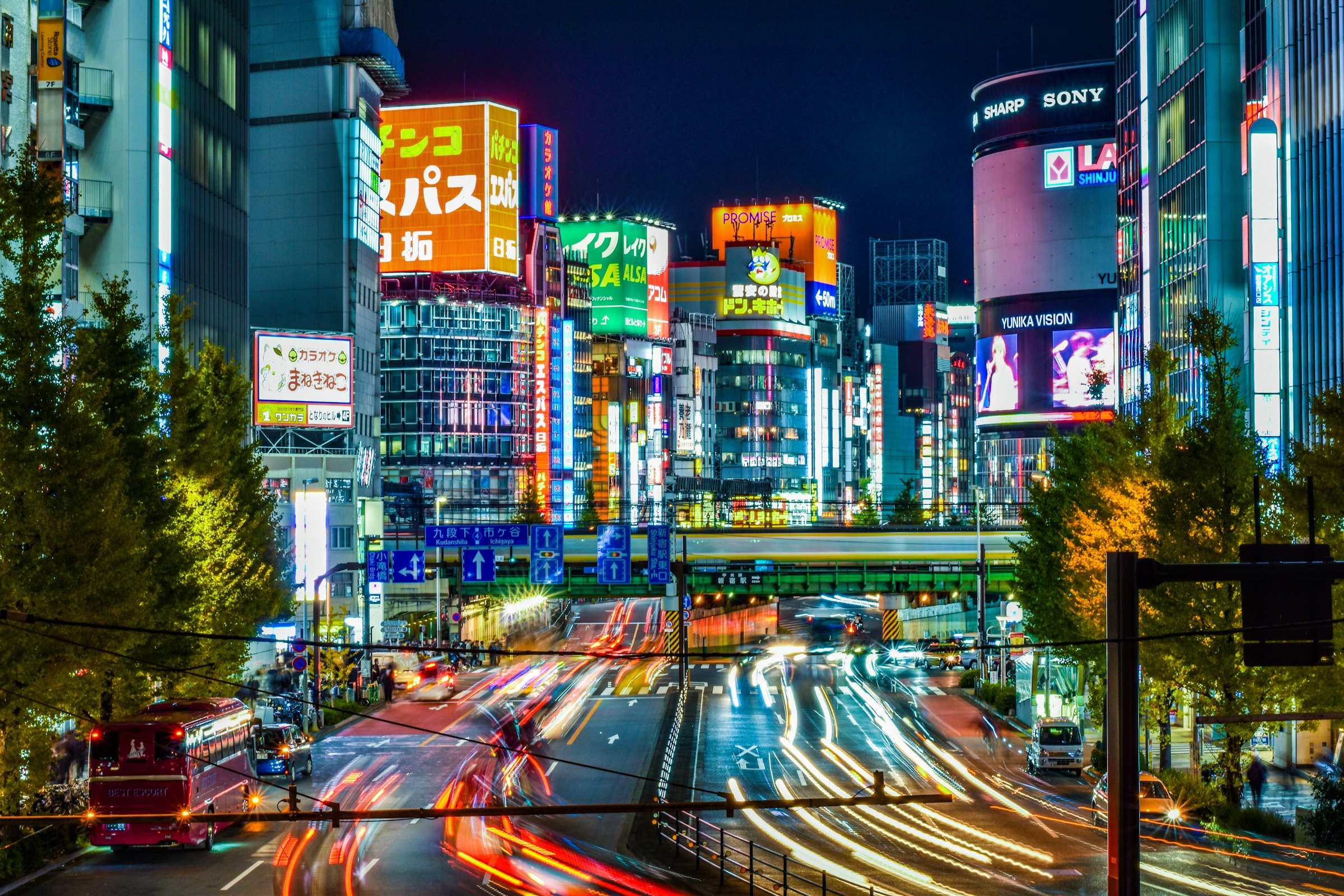
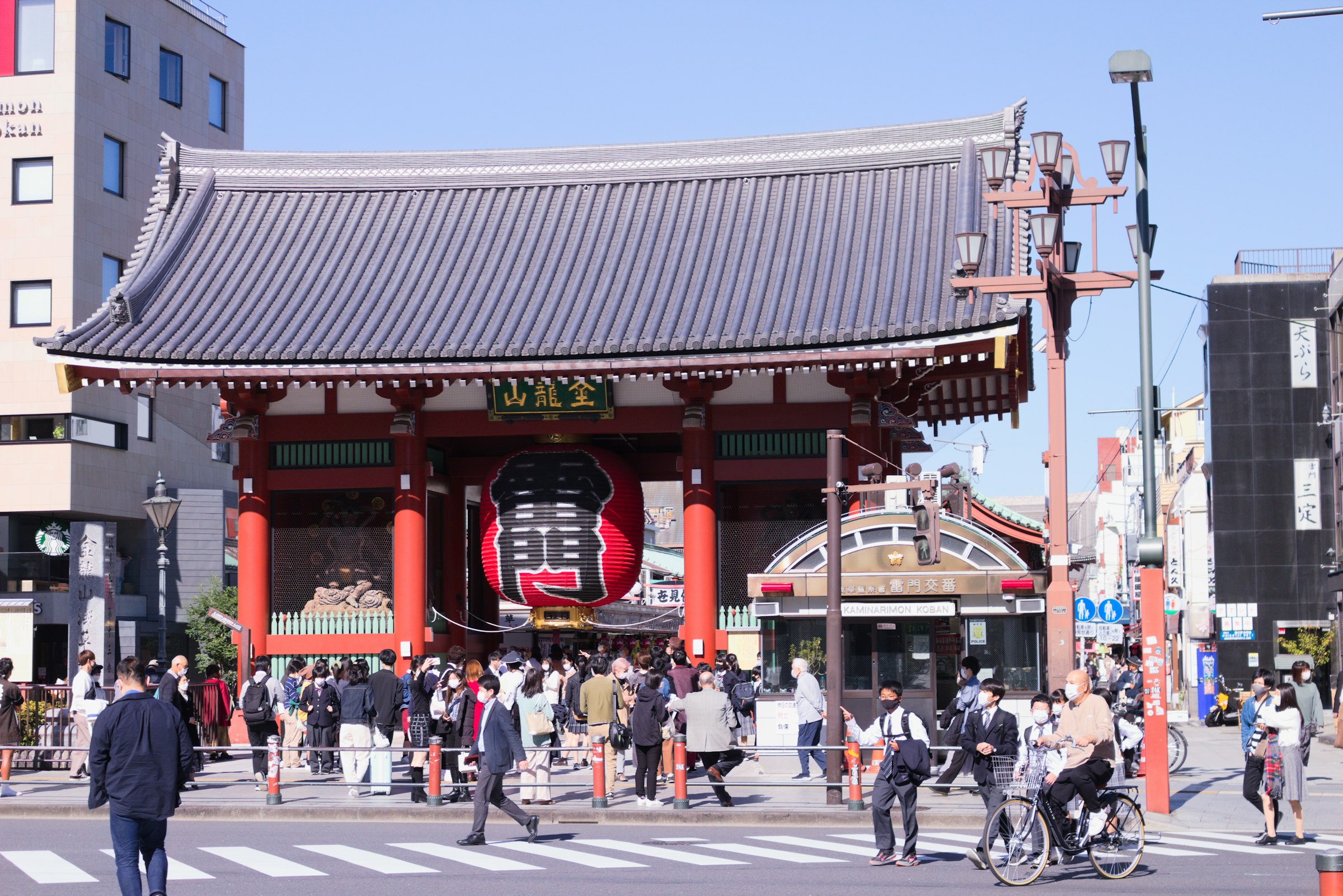
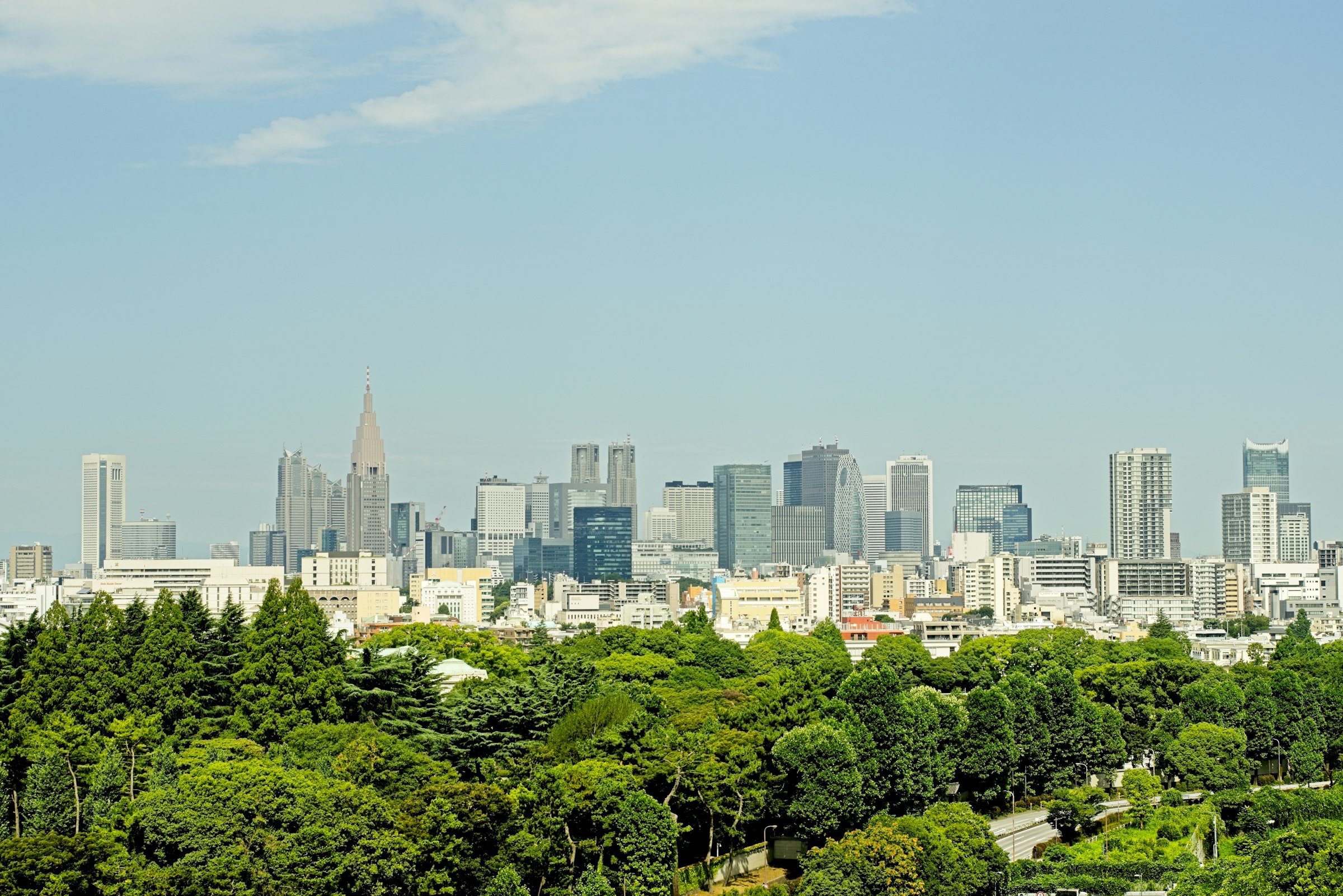
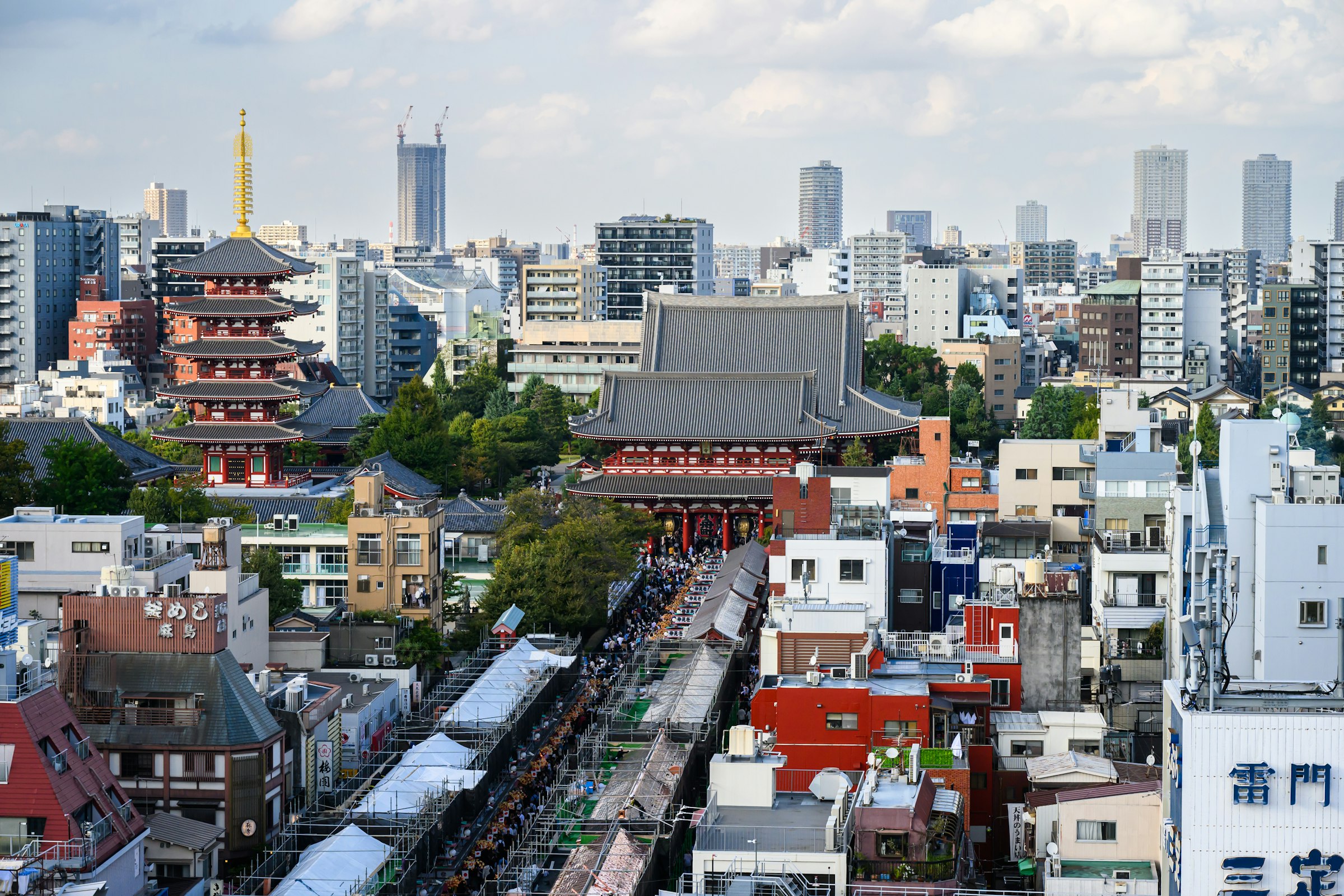
Tokyo, Japan The first Sunday in March Founded 2007
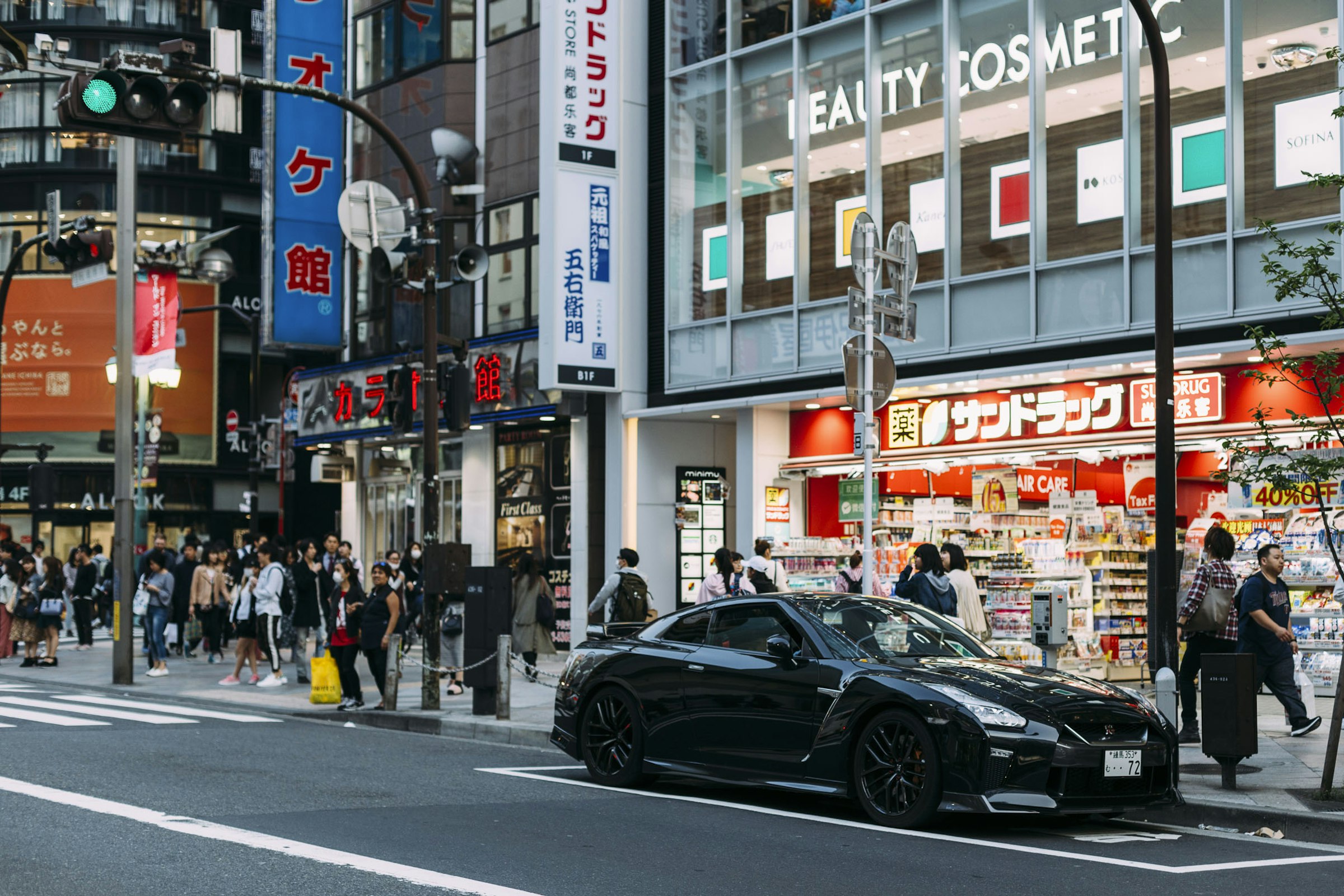
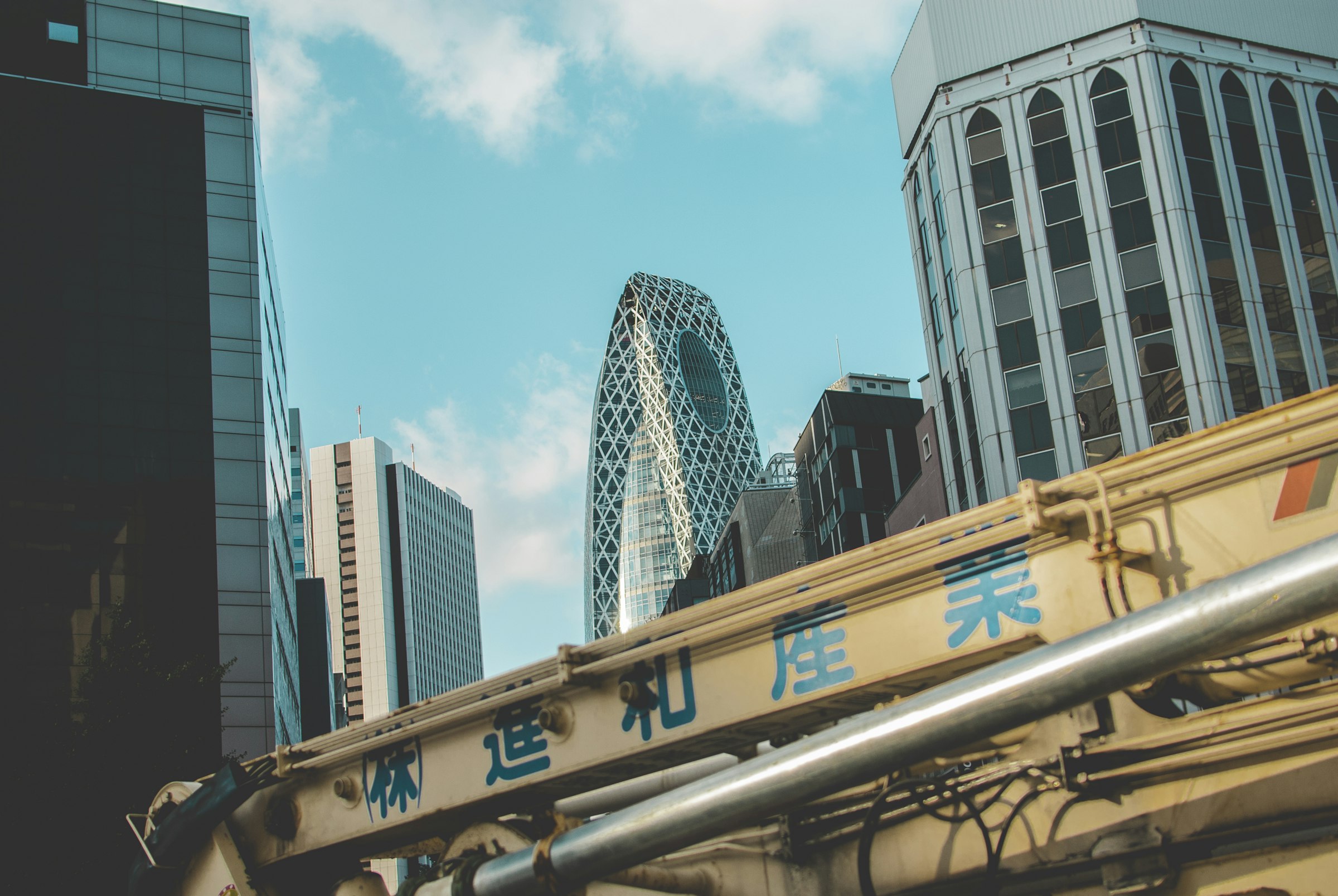
Down off the Shinjuku plateau, out to Asakusa and back through Ginza to a finish by the Imperial Palace.
Marathon Course · every marathon course, measured the same way
Tokyo Marathon
Down off the Shinjuku plateau, out to Asakusa and back through Ginza to a finish by the Imperial Palace. Tokyo Metropolitan Government Building, Shinjuku → Tokyo Station, Marunouchi, Japan.
Elevation · a 2,922-point GPX of the 2025 course, 0.23 % over the certified distance before resampling · GSI (1 m lidar where available) · smoothed 100 m 0–41 m
—
0.08.416.925.333.742.2
kmmi — elev — grade — hover or drag the profile
Almost everything happens in the first 5.0 km. The course tops out at 41 m barely 0.2 km in, outside the Metropolitan Government Building. Coming off the Shinjuku plateau the race drops 28 m, including the steepest kilometre of the day, 15 m down from 2.6 km.
After that there's nothing. No 5 km split from 10.0 km to the finish moves by more than 2 m. The steepest climbing kilometre on the whole course gains just 3 m. The lowest ground, 0 m, comes at 23.9 km out near the canals in Koto.
The finish at Tokyo Station sits 3 m above sea level, 38 m below where the race began. Add up the energy cost of every gradient and, for a three-hour runner, the course comes out about 42 seconds quicker than a flat 42.195 km (0.42 %).
Take it with you
Course GPX Organiser's course map
The GPX is ours: our resampled line, a point every 25 m, carrying GSI (1 m lidar where available) elevation rather than the GPS noise a watch file usually holds.
GSI (1 m lidar where available), a 2,922-point GPX of the 2025 course, 0.23 % over the certified distance before resampling, smoothed 100 m · marathoncourse.com/marathons/tokyo/ · checked 2026-09-23
2010201520202025
Pace is derived from the certified distance. Terrain-adjusted figures come from the same model that ranks every course on this site.
Men’s course record
2:02:16
Benson Kipruto · 2024
Women’s course record
2:14:29
Brigid Kosgei · 2026
The morning, hour by hour
The 2027 wave detail isn't published yet.
Race-day mean temperature, 1995-2025. Lime marks the hottest edition; the coldest and wettest carry a label only, so the colour still means one thing.
Flat after the first 5.0 km. The high point is 41 m, in the first 0.3 km at Shinjuku, and the course gives up 28 m of that straight away. From 10.0 km onwards no 5 km split moves by more than 2 m. The steepest climbing kilometre of the whole race gains 3 m.
GSI Japan elevation tiles, sampled every 25 m, smoothed over 100 m. Raw-to-smoothed ratio 2.02.
No, though no other course here comes as close. A record course can lose at most a metre per kilometre, which over a marathon is 42.2 m. Tokyo loses 37.5 m from Shinjuku to Tokyo Station, leaving a margin of 4.7 m, or roughly 11 % of the allowance. London is next at 8.0 m. Both are inside the rule, and a re-measurement wouldn't change that.
The Shinjuku start and Tokyo Station finish from this site's course line, against Part III of the World Athletics Competition Rules.
About one in ten: roughly 300,000 applications for some 30,000 ballot places. Tokyo's ballot runs in August for the following March, so you apply about seven months before race day.
Widely reported application figures; the organiser publishes neither applicant numbers nor odds.
Colder than most visitors expect. Across the twenty-nine years sampled, the median temperature during the race window is 8.8 °C, and thirteen of them sat below 8 °C. That makes for excellent racing weather and a long, cold wait in the start blocks. The race began in 2007 and ran in February until 2018, so most of the sample is weather on today's race date in years with no race on it.
ERA5 reanalysis sampled on the first Sunday in March, 1995–2025. Years before 2007 predate the race; 2007–2018 were run in February. This is a baseline for the current date, not a history of past editions.
More than 40,000 took a marathon place in 2027. The ballot drew more than 300,000 applications.
Organiser figures for the 2027 edition.
About 8.8 °C during a typical race: that's the median across 29 years, which have run from 2.7 °C to 18.1 °C. 8 of the 29 were wet.
ERA5 reanalysis for the race date, 1995-2025.
Comfortably. Tokyo's net drop of 38 m is nowhere near the 1,500 ft at which the B.A.A. adds five minutes to a qualifying time. After the first 5.0 km it's flat, and March is usually cool.
Net drop −38 m from this site's course line; 2027 adjustment None. Certification platinum label: World Athletics Platinum Label; record-eligible.
It comes from GSI (1 m lidar where available), sampled every 25 m along the course line and smoothed over 100 m. The raw-to-smoothed ratio here is 2.02. Around 1.3 means the model is reading the ground, not rooftops; above about 2.0 the total climb carries real noise, and the net change is the sturdier number.
0 missing samples · 1 bridge spans corrected.
| Fact | Source | Verified |
|---|---|---|
| Course line | Third-party GPX for the 2025 edition, validated against the certified 42.195 km (measured 42.291 km, 0.23 % long, from 2,922 points — the densest reference line on this site). Archived with its hash in data/raw/sources. Our resampled line measures 42.180 km; the 42.291 km above is the raw reference file before resampling. Distances quoted on this page come from the resampled line. | 2026-09-20 |
| Elevation | GSI Japan elevation tiles, sampled every 25 m, smoothed over 100 m. Raw-to-smoothed gain ratio 2.02, so the total climb carries more model noise than the net drop does. | 2026-09-20 |
| Race-day weather | ERA5 reanalysis via the Open-Meteo archive, the first Sunday in March 1995–2025 at the Shinjuku start, 09:00–16:00 local. 2020 and 2021 excluded. | 2026-09-23 |
| Course records and history | Kipruto 2:02:16 (2024) and Kosgei 2:14:29 (2026). Founded 2007 from two alternating predecessor races; a Major from 2013; course rebuilt in 2017 to finish at Tokyo Station. | 2026-09-23 |
| Entry, ballot and field | Ballot 14–28 August 2026 for 2027, results 18 September. Entry ¥19,800 domestically, US$230 from overseas. Field grown from 39,000 to 40,000 for the 20th running. The one-in-ten odds are the widely reported ratio of about 300,000 applications to roughly 30,000 ballot places; the organiser publishes neither figure. | 2026-09-23 |
| Record eligibility | World Athletics Competition Rules, Book C, Part III — Competition Rule 31.21: a record course may lose no more than 1 m per kilometre, and its start and finish may be no more than 21.098 km apart. Tokyo loses 37.5 m and separates by 6.36 km. Inside both, and its 4.7 m margin on the net-drop rule is the narrowest of the 28 courses measured here. | 2026-09-23 |
Until the Tokyo Marathon · 7 Mar 2027
— days
— hrs— min— sec
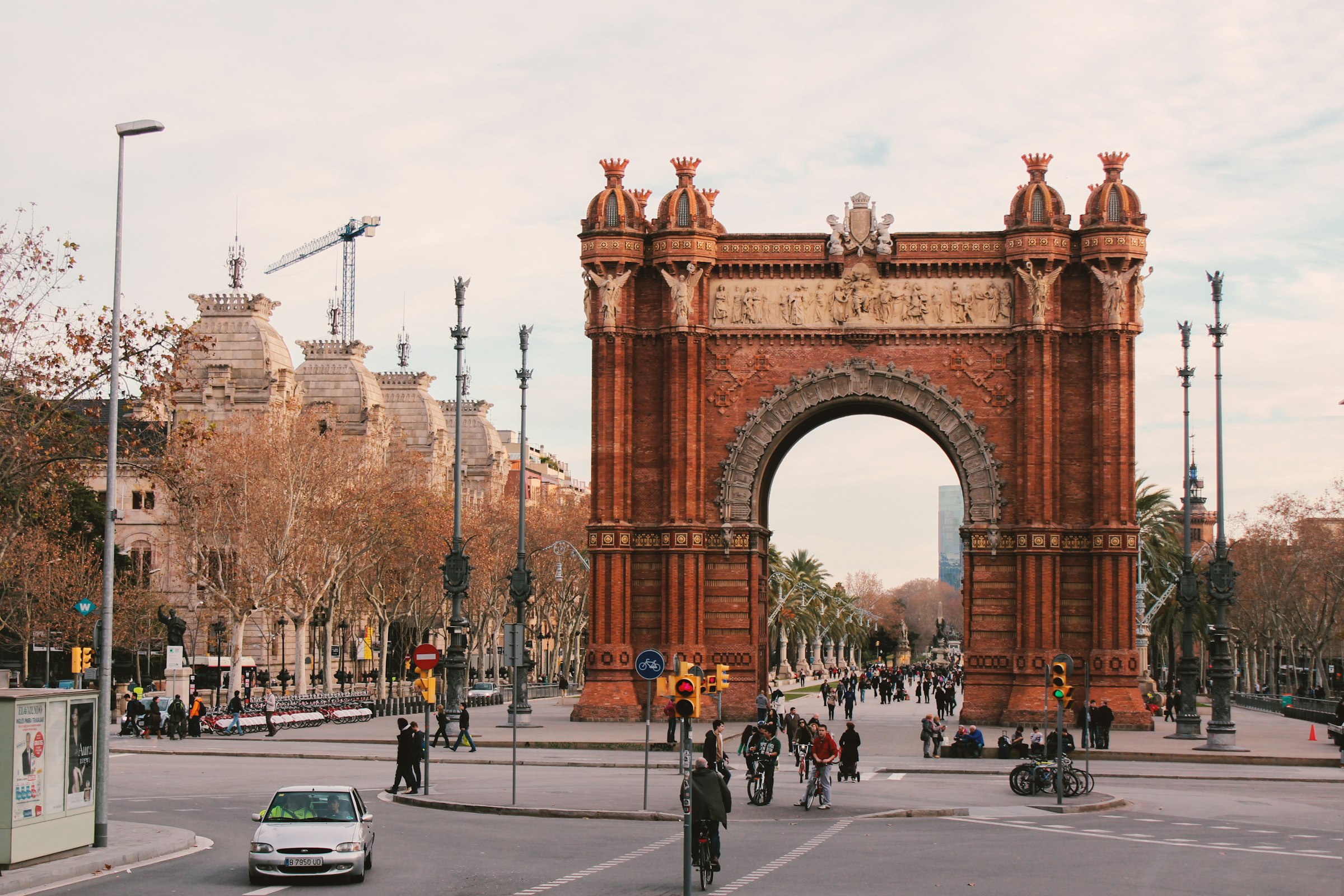
Barcelona, Spain · 14 Mar 2027
Through the Eixample past three Gaudí buildings, down to the harbour and along the sea, and back up to the Arc de Triomf.
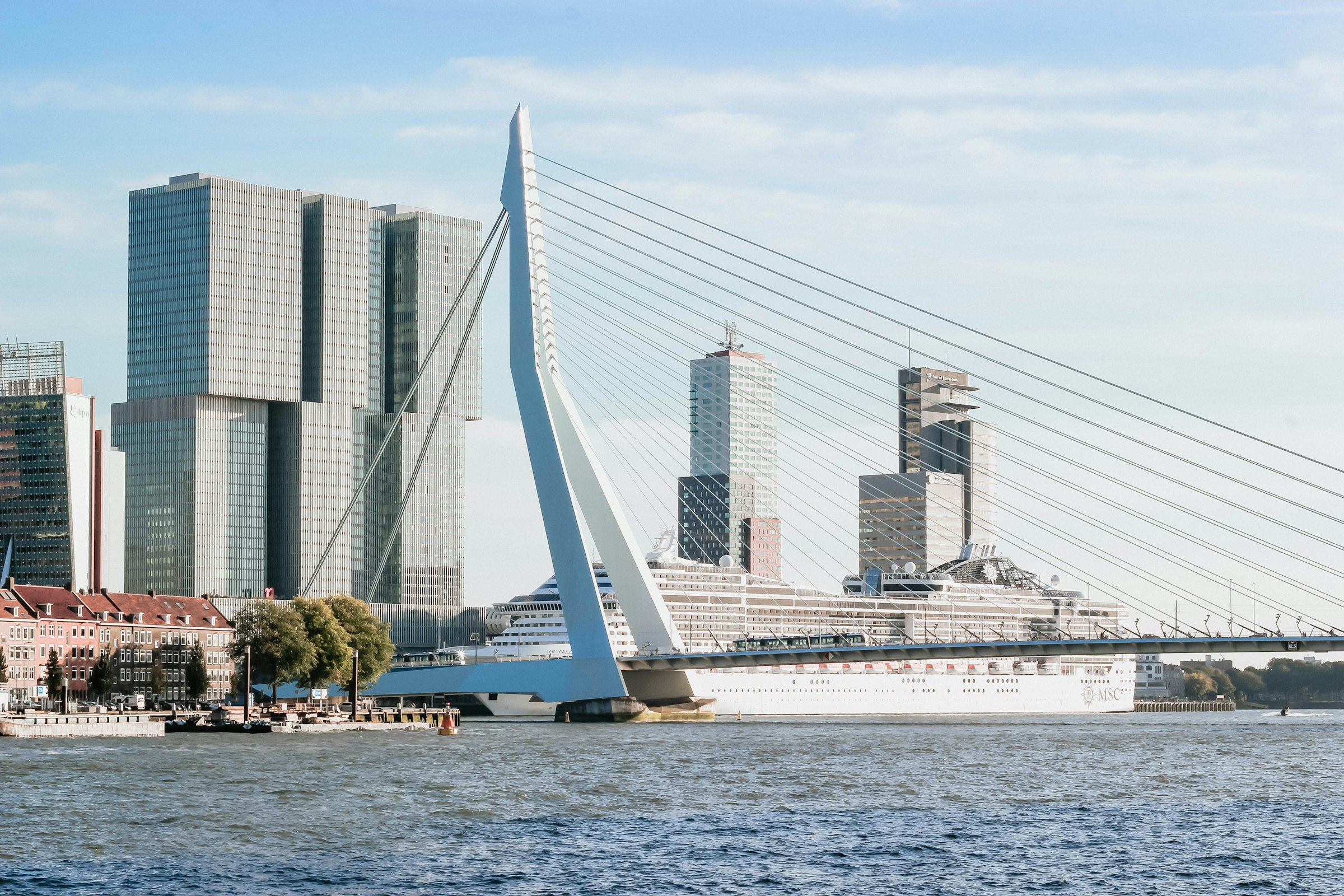
Rotterdam, Netherlands · 11 Apr 2027
Over the Erasmus Bridge to the south bank and back, out round the Kralingse Plas, and home up the Coolsingel.
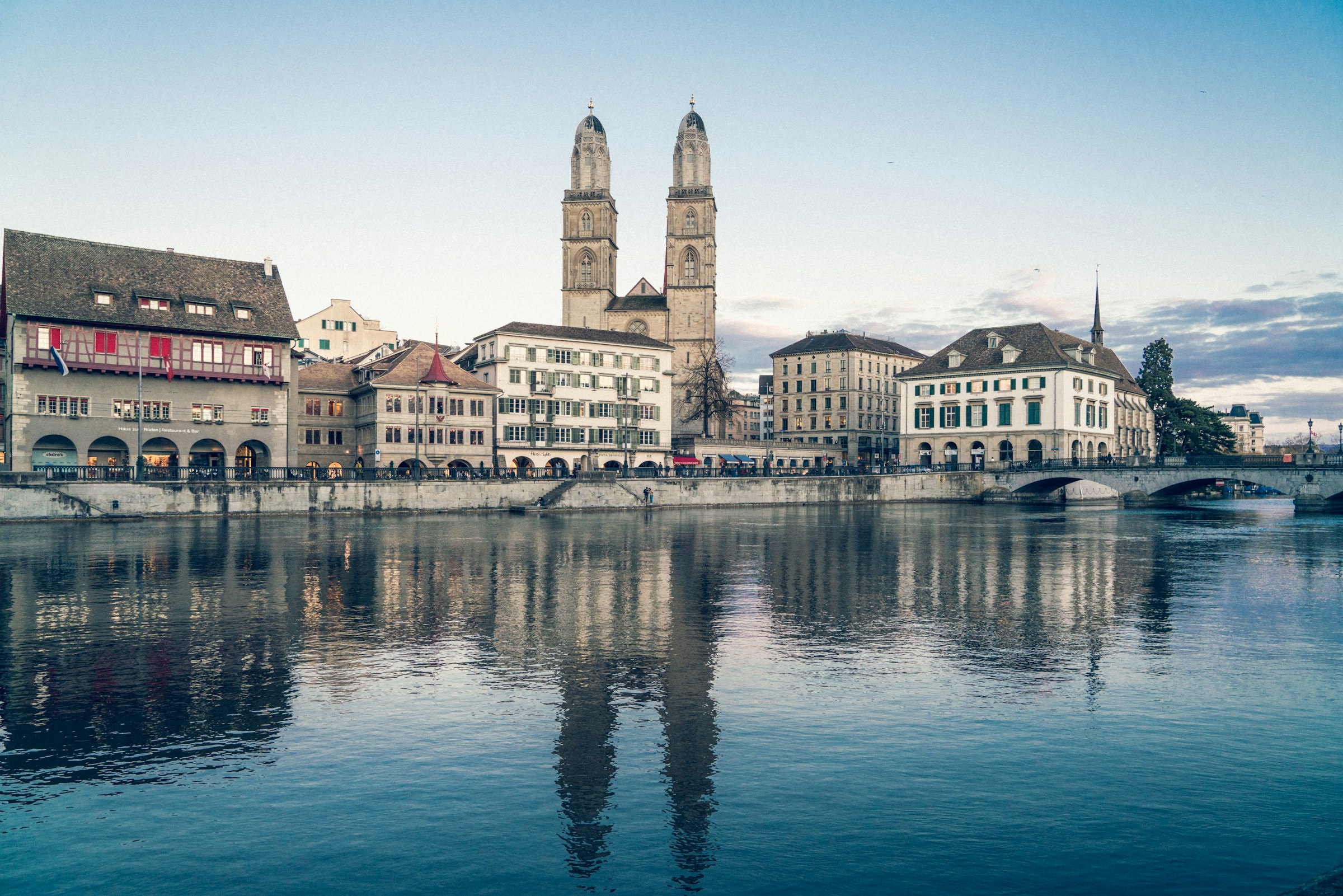
Zurich, Switzerland · 11 Apr 2027
From the Quaibrücke down the lake's eastern shore to Meilen and back, with a loop through the city at each end.