Men’s course record
2:04:55
Mohamed Esa · 2026
- Average pace
- 2:58 / km
- Terrain-adjusted
- —
Europe15
Americas6
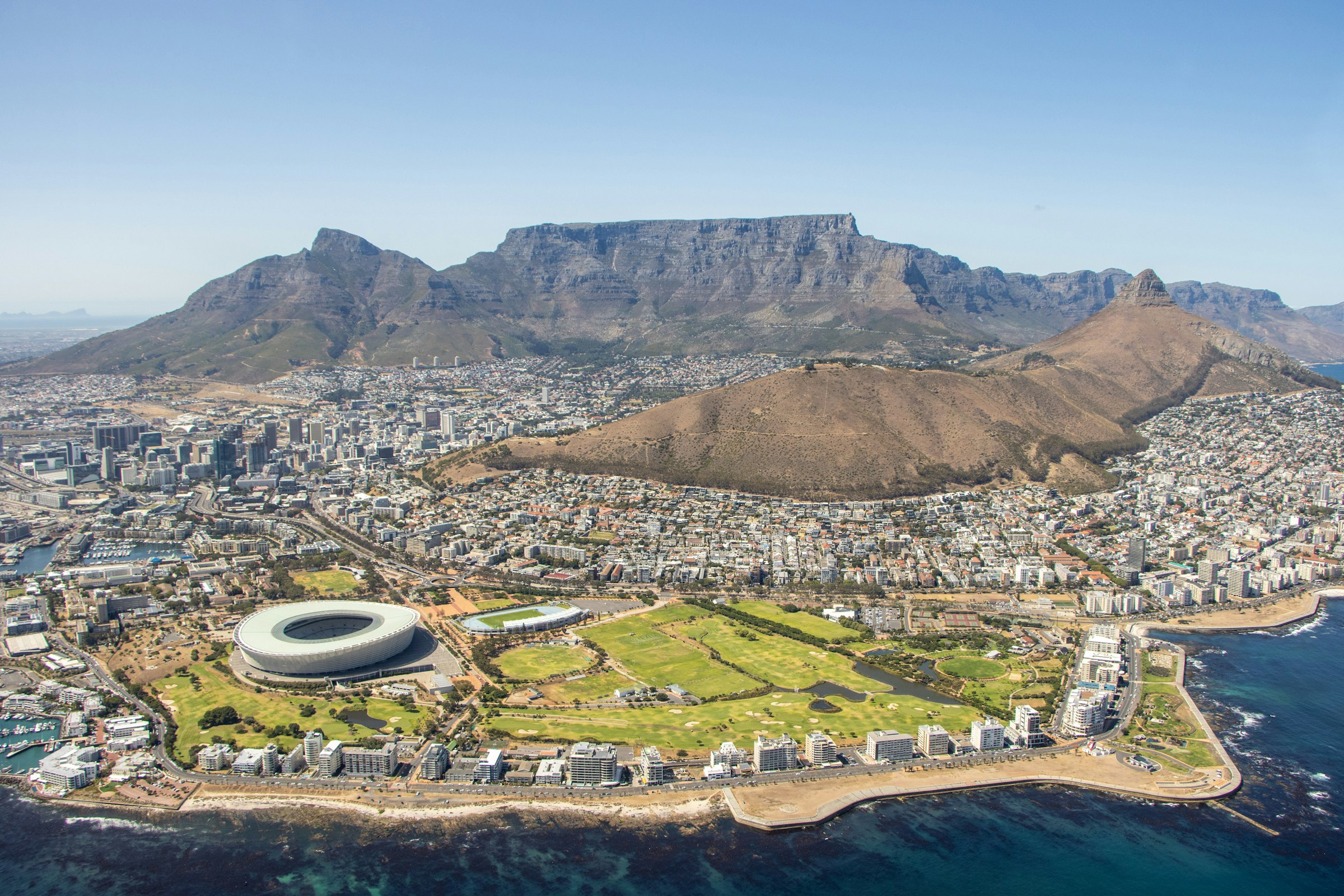
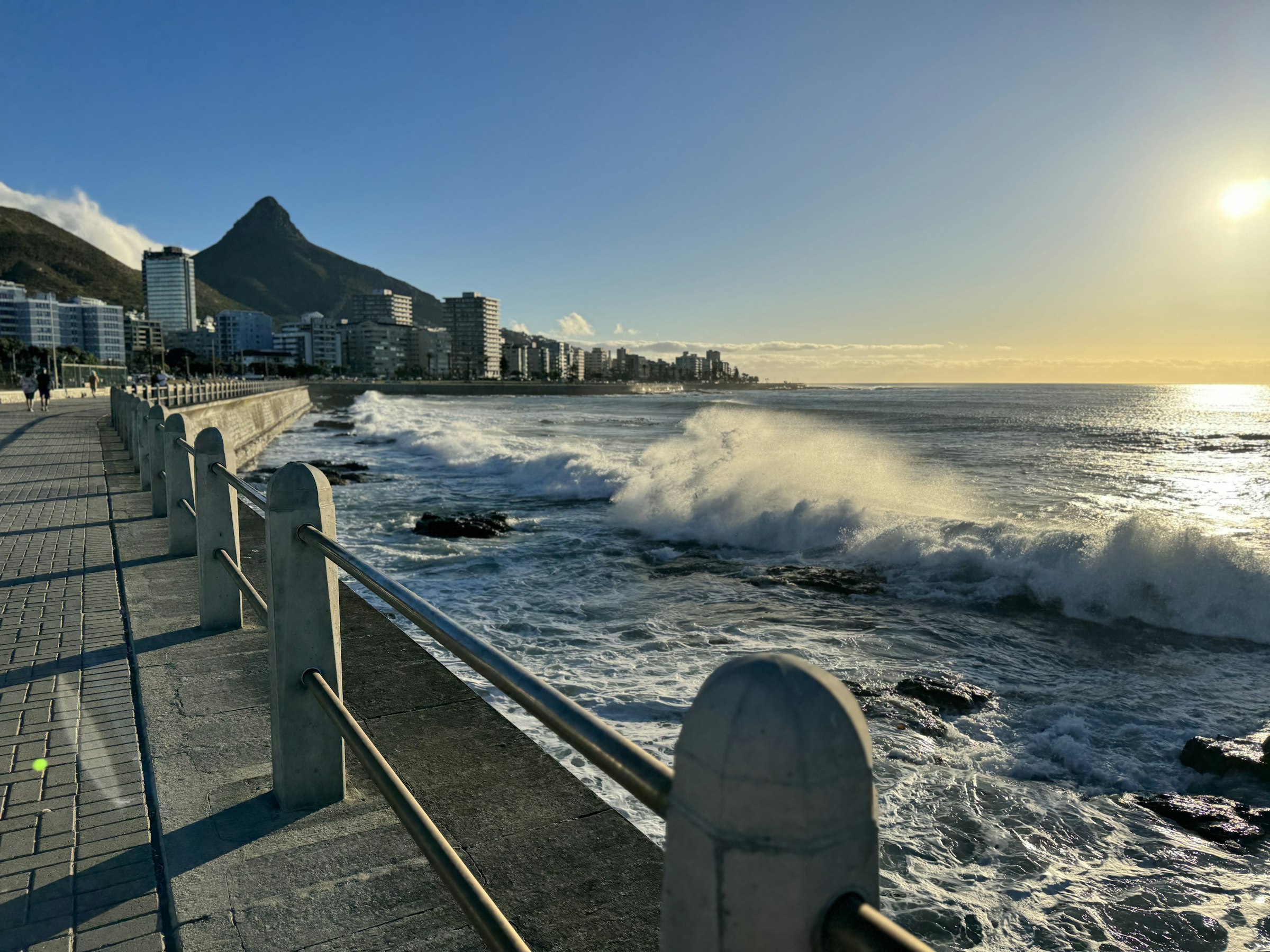
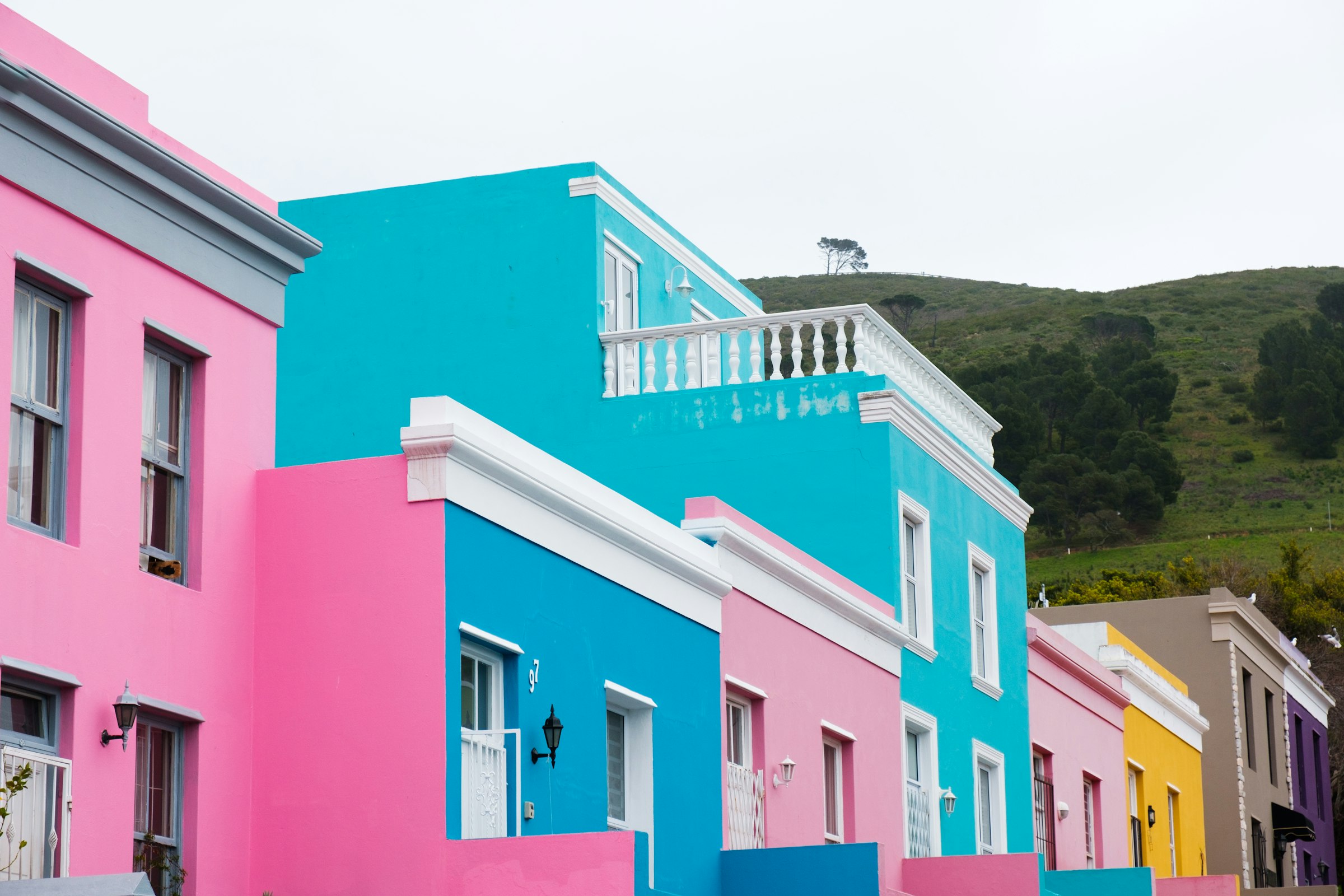
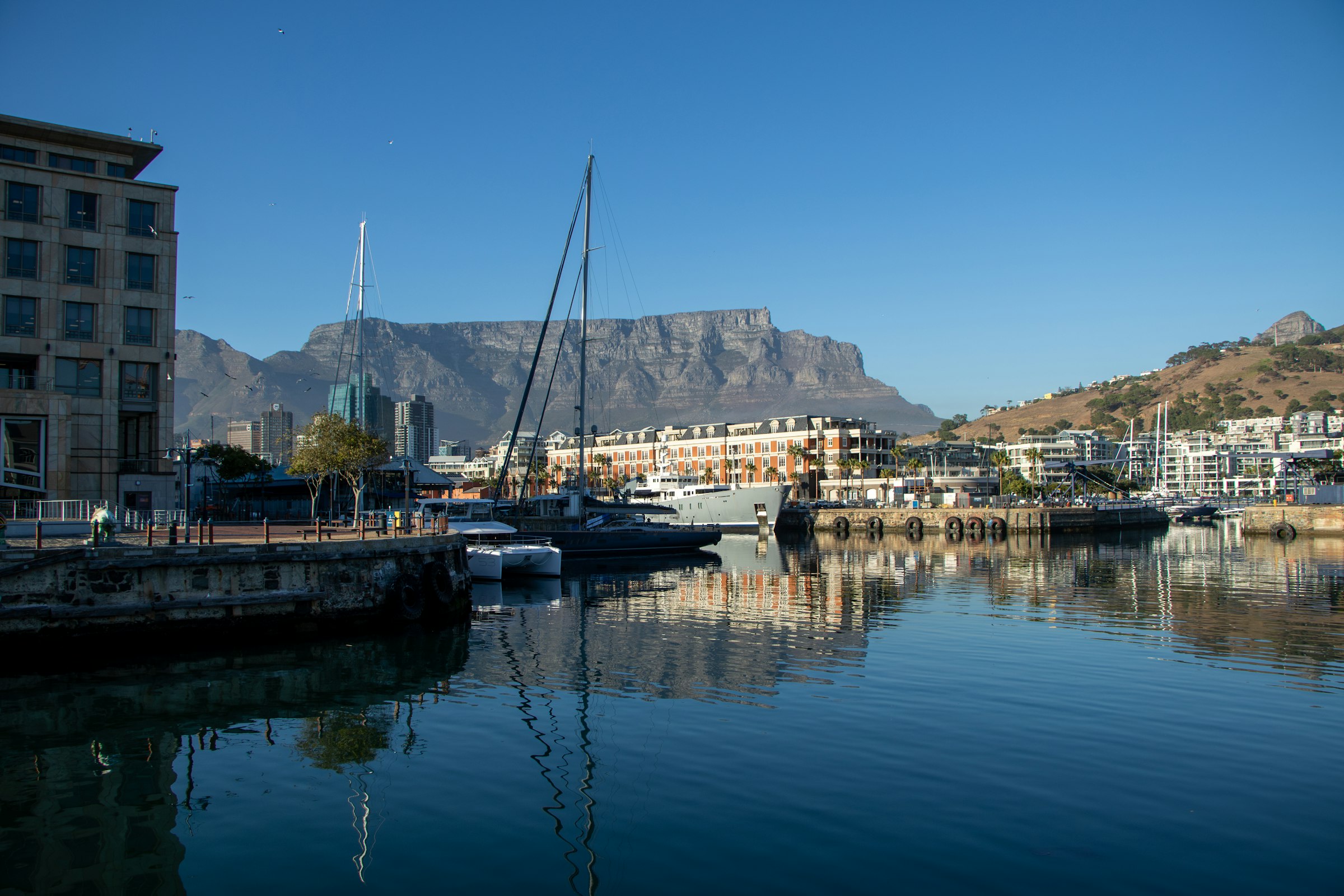
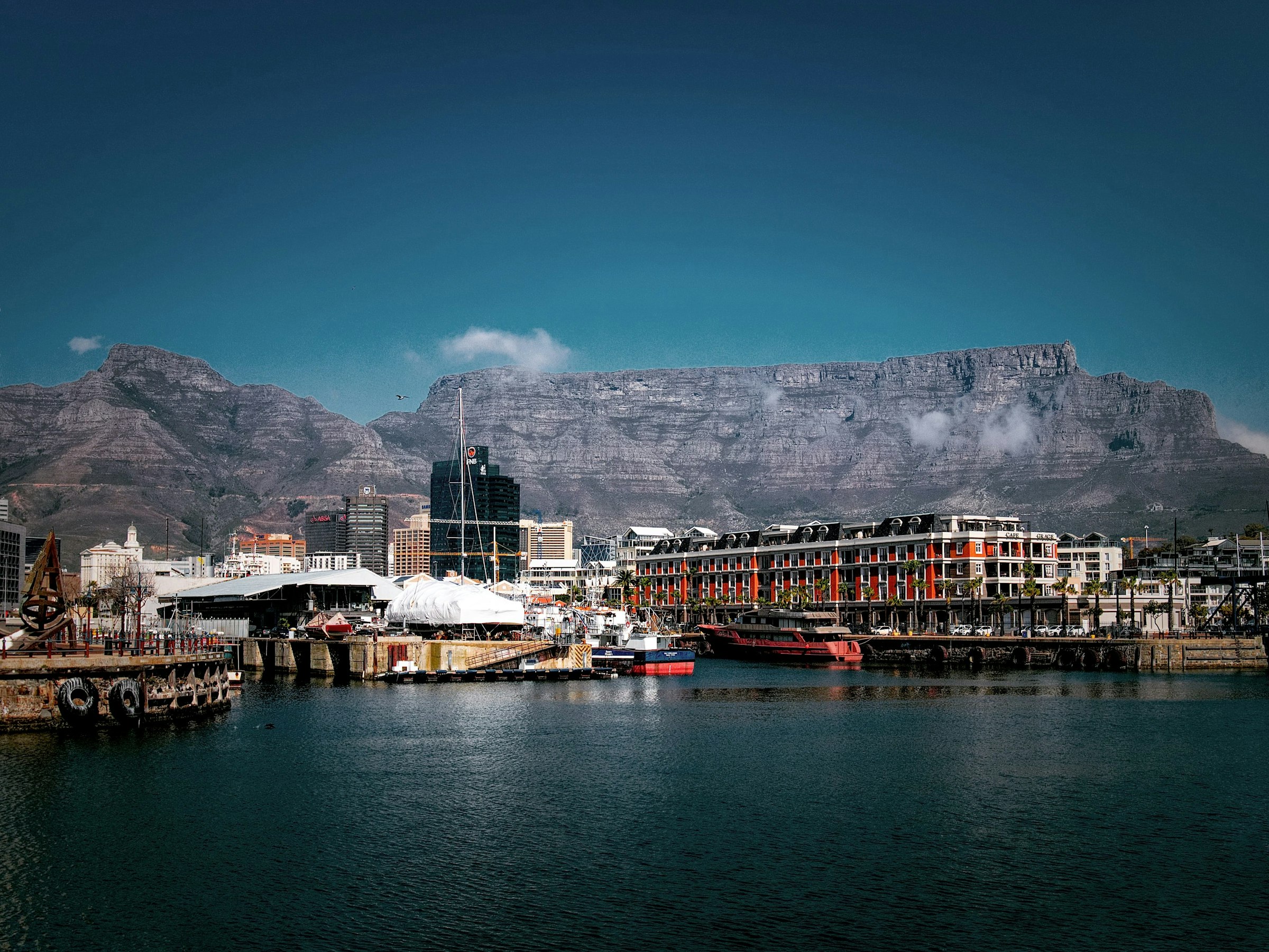
Cape Town, South Africa The fourth Sunday in May: 23 May in 2027 Founded 1994
Out through Woodstock to Claremont, back past the Castle and up through the Gardens, then round Sea Point and home along Beach Road.
Marathon Course · every marathon course, measured the same way
Cape Town Marathon
Out through Woodstock to Claremont, back past the Castle and up through the Gardens, then round Sea Point and home along Beach Road. Fritz Sonnenberg Road → Vlei Road, Green Point, Cape Town, South Africa.
Distance · course line for the 2025 edition, the course run in 2026 · elevation not measured yet
—
0.08.516.925.433.842.3
kmmi — hover or drag the strip
The organiser's profile starts at 11 m beside the stadium and stays between 8 m and 41 m all the way round. In all it gives 215 m of climbing and 209 m of descent.
The early rollers run from about 3.0 km to 10.0 km, over the elevated highway into Woodstock and up Main Road to Groote Schuur. Through the southern suburbs and back to Observatory the road barely changes, and the organiser's chart puts its low point around 25.0 km.
The climb that counts is in the Gardens, from 31.0 km, past the Company's Garden to the high point just after 32.0 km. The organiser calls it the longest and steepest of the day. Long Street takes you straight back down, and the last 10.0 km are mostly downhill to the sea.
Every height on this page is the organiser's: the course isn't measured here yet.
Take it with you
course line for the 2025 edition, the course run in 2026, elevation not measured · marathoncourse.com/marathons/capetown/ · checked 2026-09-25
200020102020
Pace is derived from the certified distance. Terrain-adjusted figures come from the same model that ranks every course on this site.
Men’s course record
2:04:55
Mohamed Esa · 2026
Women’s course record
2:22:22
Glenrose Xaba · 2024
The morning, hour by hour
Cut-offs
The organiser's 2026 final instructions. Times for 2027 haven't been published yet. Clock times from the organiser's 2026 table, set from the last runner across the start mat. Anyone cut off rides a shuttle back to the race village.
Race-day mean temperature, 1995-2025. Lime marks the hottest edition; the coldest and wettest carry a label only, so the colour still means one thing.
Yes, from 2027. The World Marathon Majors confirmed it on 10 June 2026, after the 2026 race passed the second and last stage of assessment. It's the eighth Major and the first in Africa, and 23 May 2027 is its first race in the series.
Abbott World Marathon Majors and the organiser, June 2026.
Yes. Everyone who finished in 2026 was given a provisional star, which the Majors said would be upgraded to a full one.
Abbott World Marathon Majors' Cape Town page.
Not very, apart from one climb. The organiser gives 215 m of climbing, between a low of 8 m and a high of 41 m. The climb is through the Gardens from 31.0 km, and it's the longest and steepest of the day. The organiser counts only a kilometre of the whole course as flat.
The organiser's 2026 route profile and spectator guide.
Only through a charity or a tour operator. The ballot closed on 24 June 2026, and both of those routes opened on 26 June. Places can't be transferred, though a window to defer to 2028 opens nearer the race.
The organiser's 2027 FAQ, checked 25 September 2026.
Mainly the wind. The organiser moved it for 2026 because the south-easter is less likely in May and it's cooler. Seven months after that was announced, the wind cancelled the October 2025 race on the morning.
The organiser's March 2025 announcement and its account of the cancellation.
Mild. On the fourth Sunday in May, the median temperature over the race hours is 15.8 °C across 31 years. The median wind is 10 km/h.
ERA5 race-day climatology, 1995–2025.
In Green Point, from one of two starts: Fritz Sonnenberg Road beside the stadium, or Beach Road at Mouille Point. Your seeding says which. Everyone finishes on Vlei Road.
The organiser's 2027 FAQ.
Yes. In 2026 the first ten men all beat the old course record, and Mohamed Esa won in 2:04:55. The women's record is Glenrose Xaba's 2:22:22 from 2024.
The organiser's 2026 race report.
The Sea Point out-and-back near the end. At 35.0 km the course passes the stadium, then heads away from the finish along Main Road to the Queens Road circle at 38.7 km and comes back beside the sea.
The organiser's spectator guide and 2026 route map.
Not by car, as there's no parking near the race village. In 2026 free shuttles ran from the CTICC, the Civic Centre and Thibault Station, and paid ones from Canal Walk and UCT. You can also walk or cycle in and leave your bike at the stadium.
The organiser's 2026 transport page and final instructions.
Probably. The start and finish are about 350 m apart, far inside the World Athletics limit. The net-drop test can't be checked without heights, but the organiser's figures have the course climbing slightly more than it descends.
World Athletics Competition Rule 31.21 and the organiser's route profile.
A record 27,000 entered in 2026, and the race sold out. The organiser counted some 8,500 international entries across the race weekend, from 145 countries.
Organiser figures for the 2026 edition.
About 15.8 °C during a typical race: that's the median across 31 years, which have run from 12.9 °C to 22.1 °C. 3 of the 31 were wet.
ERA5 reanalysis for the race date, 1995-2025.
Probably. The organiser's own figures have the course climbing 6 m more than it descends, so the B.A.A.'s downhill adjustment has nothing to act on. It's an even course until the Gardens at 31.0 km. Save something for that climb, and for the Sea Point out-and-back after it.
Certification unconfirmed: The first IAAF Gold Label race in Africa, in 2017; its current label and course certificate are not confirmed here.
| Fact | Source | Verified |
|---|---|---|
| Course line | Third-party GPX of the 2025 edition, which was cancelled on the morning of 19 October 2025. The course run on 24 May 2026 was the same: the organiser's 2026 cut-off points and route landmarks fall on this line within half a kilometre of the distances it gives, and its 2027 pages announce no change. The file measures 42.359 km from 1,436 points; our resampled line measures 42.276 km, so distances on this page run about 0.2 % long. Archived with its hash in data/raw/sources. | 2026-09-25 |
| Elevation | Not measured. No open terrain model covering this course can be published from yet, so there are no heights of our own; every height on this page is the organiser's. | 2026-09-25 |
| Course profile | The organiser's 2026 route profile: start 11 m, highest 41 m, lowest 8 m, 215 m of ascent and 209 m of descent, with the primary climb at 31–32 km and a gradual descent over the last 10 km. Where the high and low points fall is read from its chart. Its spectator guide calls the Gardens climb the longest and steepest of the day. | 2026-09-25 |
| Race-day weather | ERA5 reanalysis via the Open-Meteo archive, 1995–2025 at the stadium start, 08:00–14:00 local, sampled on the fourth Sunday in May. That rule gives both May races, 24 May 2026 and 23 May 2027. Until 2025 the race ran in September or October, so these years describe the May date, not past race days. | 2026-09-25 |
| Course records | Mohamed Esa 2:04:55 (2026) and Glenrose Xaba 2:22:22 (2024), from the organiser's 2026 race report and its history of the race. The 2026 women's winner, Dera Dida, ran 2:23:18. | 2026-09-25 |
| Majors status | Abbott World Marathon Majors: the 2026 race passed the second and final stage of assessment, Cape Town joins as the eighth member, and its first race as a Major is on 23 May 2027. Finishers of 2026 were given a provisional star, to be upgraded to a full one. The organiser announced the result on 10 June 2026. | 2026-09-25 |
| Entry and field | The organiser's 2027 FAQ and entry pages: ballot from 10 to 24 June 2026, charity and tour-operator entries from 26 June, two-thirds of entries kept for African runners. Its January 2026 update gives a sold-out record field of 27,000 for 2026, up from 24,000 entered in 2025; its race preview gives 8,500 international entrants from 145 countries. No finisher count for 2026 is published. | 2026-09-25 |
| Race day | The organiser's 2026 final instructions and race preview: wheelchair race 7:50am, elite 8:00am, five waves from 8:10 to 9:06am across two starts, and a limit of six and a half hours from the last runner across the start mat, which put the close at 3:50pm. Times for 2027 haven't been published. | 2026-09-25 |
| Label | The organiser's history: IAAF Silver Label in 2014 and Gold Label in 2017, the first in Africa. Its current World Athletics label is not confirmed here. | 2026-09-25 |
| Record eligibility | World Athletics Competition Rules, Book C, Part III — Competition Rule 31.21: a record course may lose no more than 1 m per kilometre, and its start and finish may be no more than 21.098 km apart. Cape Town's start and finish are 348 m apart, well inside the second test. The first can't be checked here without heights, though the organiser's own figures have the course climbing 6 m more than it descends. | 2026-09-25 |
Until the Cape Town Marathon · 23 May 2027
— days
— hrs— min— sec
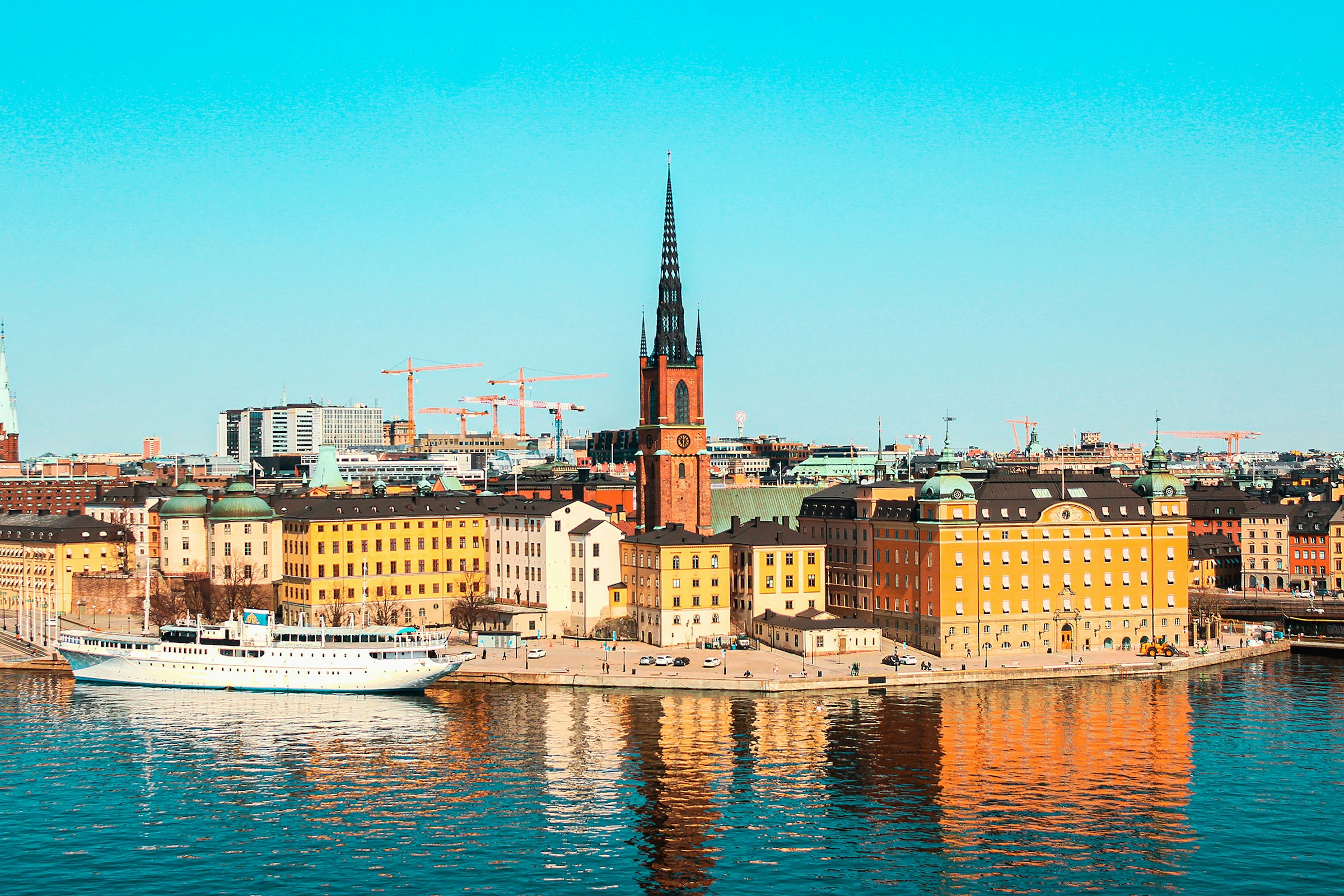
Stockholm, Sweden · 29 May 2027
From the Olympic stadium round Gamla stan and out to Djurgården, then up onto Södermalm and over Västerbron before the finish on the 1912 track.
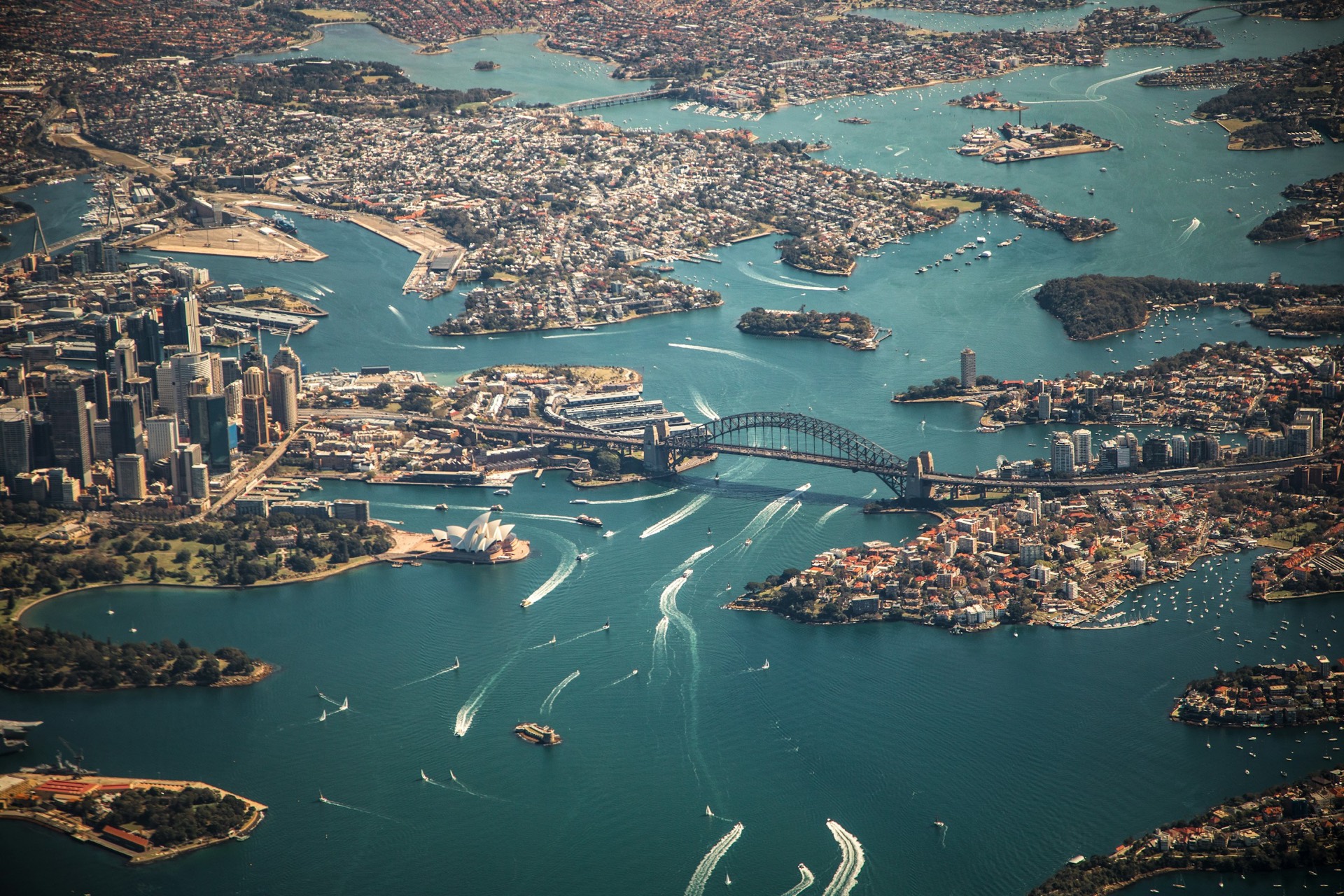
Sydney, Australia · 29 Aug 2027
Over the Harbour Bridge in the first three kilometres, and a finish on the Opera House forecourt.
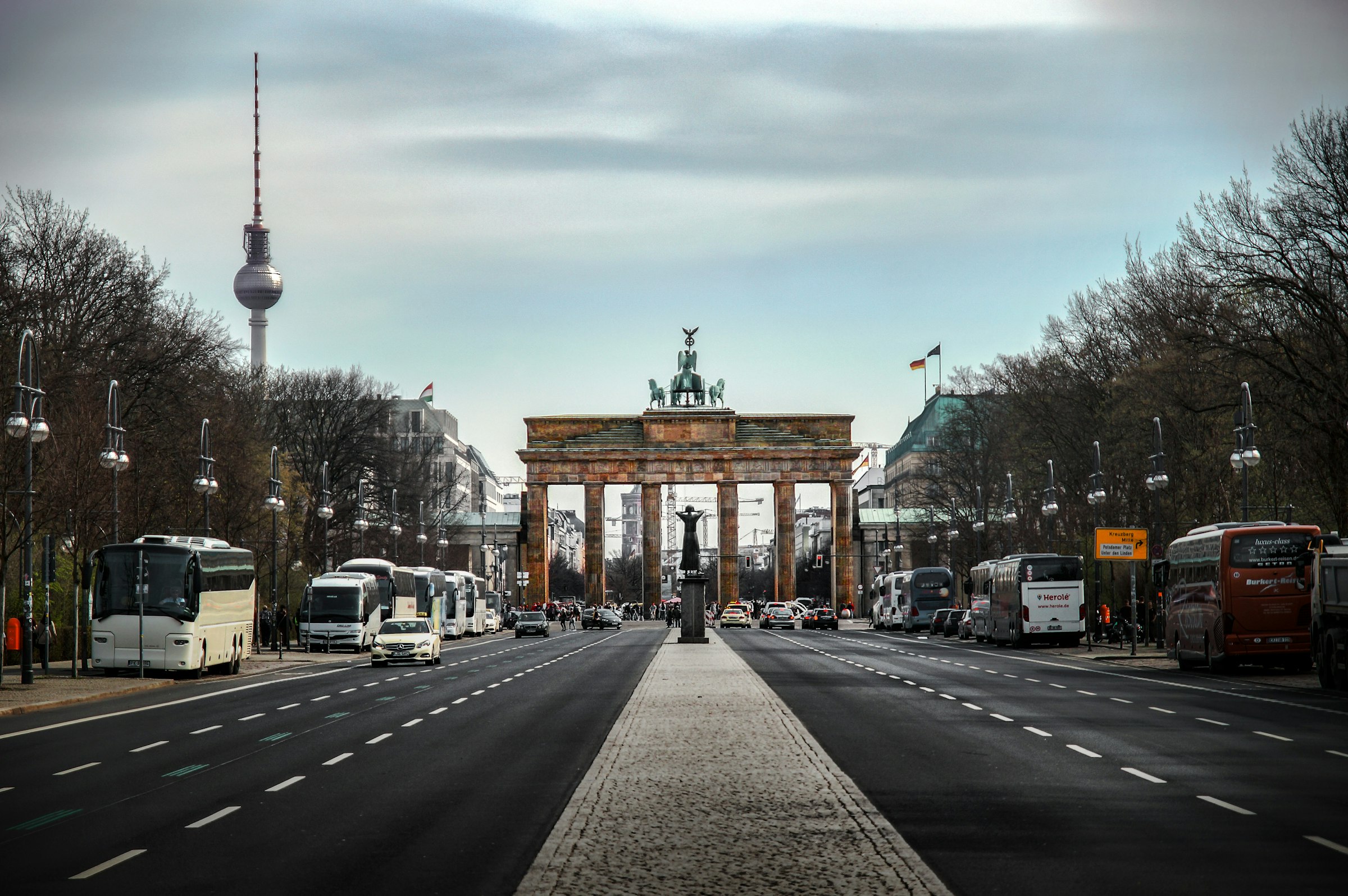
Berlin, Germany · 27 Sept 2026
A ten-minute walk from start to finish, and thirteen world records set in between.